



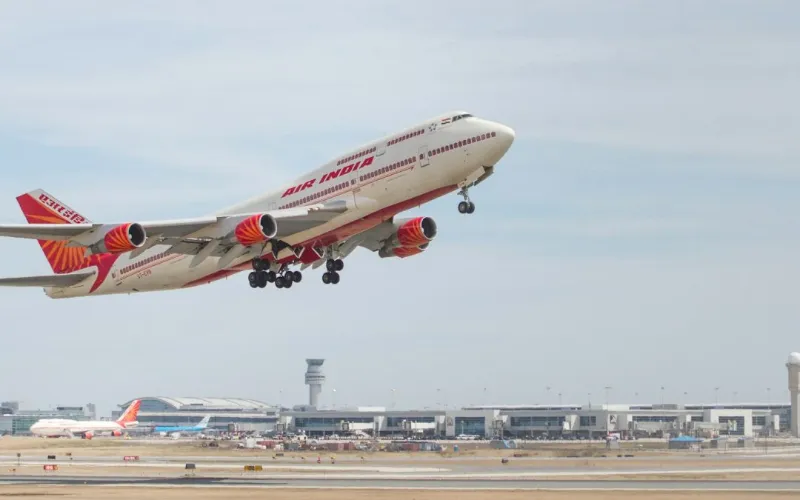

KARACHI: Pakistan has extended its ban on Indian aircraft using its airspace until August 24, 2026, the Pakistan Airports Authority announced Saturday, July 18.
The authority issued a new notice to airmen based on government directives, extending a restriction that has remained in place since April 23, 2025. The ban covers all Indian registered aircraft, Indian airlines, and any aircraft leased by Indian operators.
The restriction had been set to expire on July 24, following a previous extension in May 2026. That earlier extension has already cost Indian airlines billions of rupees. The latest notice pushes the restriction forward by another month, through August 24.
Pakistan first closed its airspace to Indian airlines in April last year after India suspended the Indus Waters Treaty, a move that followed a deadly attack in Pahalgam, located in Indian administered Jammu and Kashmir.

India accused Pakistan of involvement in the attack, an allegation Pakistan has repeatedly denied while calling for an independent and transparent investigation into the incident.

India responded to Pakistan’s airspace ban by closing its own airspace to Pakistani airlines on April 30 last year. Tensions rose further when India carried out strikes on several Pakistani cities on May 6 and 7, 2025. Pakistan responded with a large scale retaliatory operation known as “Bunyanum Marsoos”, targeting multiple Indian military sites.
During the confrontation, Pakistan said it shot down eight Indian fighter jets, including three Rafale aircraft, along with dozens of drones. The conflict lasted nearly 87 hours before both nuclear armed countries agreed to a ceasefire brokered by the United States on May 10.
Pakistan has extended unavailability of its airspace to 23rd August 2026 for aircrafts registered in India & aircrafts operated/owned or leased by Indian airlines/operators including military flights.
— Pakistan Strategic Forum (@ForumStrategic) July 18, 2026
The ongoing airspace restrictions have had a much larger financial impact on India aviation industry compared to Pakistan’s, which has seen relatively limited disruption by comparison.
The latest extension suggests both countries remain far from resolving the broader tensions that triggered the original airspace closures. With flights between the two nations still unable to use each other airspace, airlines on both sides continue to reroute international flights, adding to fuel costs and travel times, though the impact remains significantly more pronounced for Indian carriers given the routes affected.

