




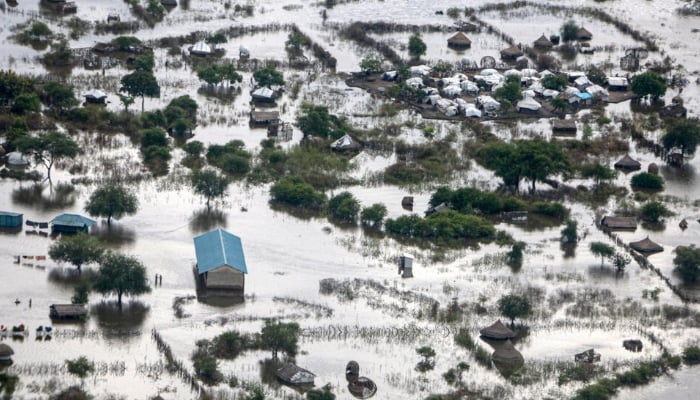
The world’s poorest countries could remain among the hardest hit by global warming even after greenhouse gas emissions reach net zero, new research has found.
The study, published in Environmental Research Letters, found temperatures have risen more sharply relative to historical ranges in tropical regions, where many lower-income countries are located, than in wealthier parts of Europe and North America.
Researchers from the University of Melbourne found the inequality could persist indefinitely under a net-zero pathway and may take decades to reverse even if carbon dioxide is later removed from the atmosphere.

“If we follow a path that is close to net zero, then the inequality we see in present day warming persists indefinitely,” lead researcher Dr Andrew King told The Guardian.

“The wealthier countries that have caused more of the problem are not those that are the most exposed, even beyond net zero. The regions that have not caused the warming are those that experience the most warming.”
King said reaching net zero sooner would reduce long-term warming and limit inequality.
The findings came as the UN refugee agency released a separate report warning that climate change is increasing risks for stateless people, particularly in Pacific island nations threatened by rising sea levels.

At The News Digital, our editors combine entertainment savvy with global reporting expertise. Expect authoritative coverage of royals, Hollywood, and trending topics, plus clear, reliable updates across science, politics, sports, and business. We keep it accurate, timely, and easy to understand, so you can stay ahead.

