



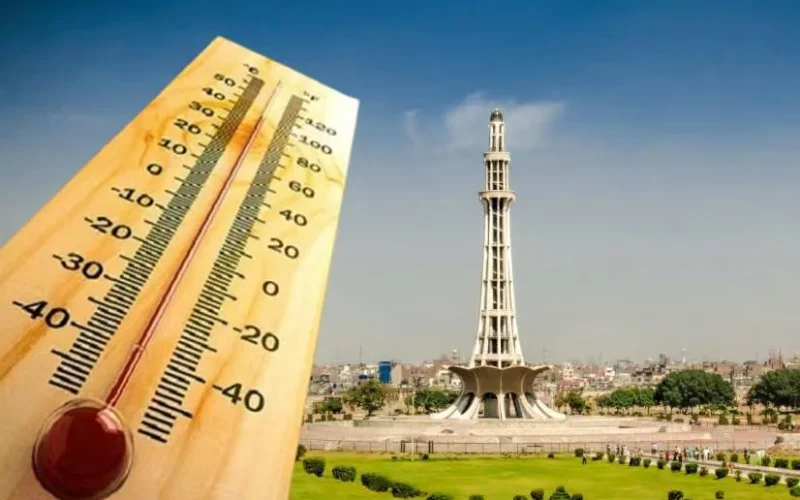

LAHORE: Pakistan is among the countries most vulnerable to the impacts of El Niño-driven climate change, with new research warning that major cities could face significantly higher temperatures and increased heat-related deaths by mid-century.
According to the study, Pakistan is already experiencing the effects of El Niño, a climate pattern associated with rising global temperatures and shifting weather conditions.
Researchers warned that by 2050, Lahore and Faisalabad could rank among the world’s hottest cities if current warming trends continue.
The warning comes as the Pakistan Meteorological Department has raised concerns over the growing risk of heat waves across the country.

Dr Zaheer Babar, chief meteorologist in Lahore, said temperatures are rising under the influence of El Niño. He noted that urban factors such as high-rise buildings, vehicle emissions, a lack of trees and the rapid expansion of housing societies are contributing to the formation of intense heat waves in cities including Lahore, Faisalabad and Multan.

Environmental expert Dr Zulfiqar Ahmed said research indicates that while the global average temperature increase has been around 1.5%, the rise has been significantly higher in some Pakistani cities. According to the findings, temperatures have increased by approximately 4.5% in Karachi and 4.1% in Lahore.
Officials from Lahore’s Parks and Horticulture Authority said multiple tree-planting initiatives are underway to help mitigate rising temperatures. The authority added that housing societies are required to allocate at least 7% of their area for tree plantation before receiving no-objection certificates.
Experts warned that without immediate and effective government action, future generations will face increasingly severe heat waves and associated health risks.
More read, 2027 could become hottest year on record: UN report
They stressed that expanding urban green spaces, improving environmental planning and reducing emissions will be critical to protecting vulnerable populations from the growing impacts of climate change.

