




LONDON: Wimbledon is not only a celebration of world-class tennis but also a showcase of timeless fashion, where tradition, elegance and British heritage remain at the heart of the tournament’s identity.
Amid rapidly changing global fashion trends, the prestigious Grand Slam event continues to preserve its unique style culture, with players and spectators embracing sophisticated outfits and the tournament’s iconic white aesthetic.
For many visitors, attending Wimbledon is an opportunity to experience a tradition that goes beyond sport.
“This is Wimbledon! You’ve got to dress up,” said Finnish tennis coach Jari Hedman, who arrived at the tournament wearing an Italian-made white linen suit paired with a navy jacket and an orange tie.

Hedman said his outfit reflected the respect and admiration he has for Wimbledon’s long-standing traditions.

The tournament, held from June 29 to July 12 this year, is preparing to mark its 150th anniversary next year and remains one of the most prestigious events in global sport.
Wimbledon has long been associated with royalty, celebrities and refined fashion. Princess Kate, a regular visitor to the tournament is frequently praised for her elegant appearances, adding to the event’s reputation as a symbol of British style.
Ahead of this year’s championships, British media outlets highlighted the unofficial fashion etiquette for spectators, encouraging visitors to embrace the tournament’s classic atmosphere.
“With its mix of royalty, A-listers and dedicated fans, Wimbledon always has a sense of occasion,” The Times noted.
Many attendees chose light colours and traditional summer outfits to match the tournament’s atmosphere.
Prague-based engineer Lucie Ta attended wearing a long white dress with black polka dots, while American visitor Anne Freeman opted for a pearl-coloured floral dress and a Panama hat.
Wimbledon’s famous fashion rules are among the strictest in professional tennis. Players are required to wear clothing that is “almost entirely white” from the moment they enter the court area.
The tournament’s regulations state that white does not include off-white or cream shades, maintaining a tradition that dates back decades.
The white clothing rule originally became popular because it helped hide sweat marks, which were once considered inappropriate in the sport’s upper-class environment.
Although Wimbledon maintains strict clothing guidelines, players continue to find creative ways to express their personalities.
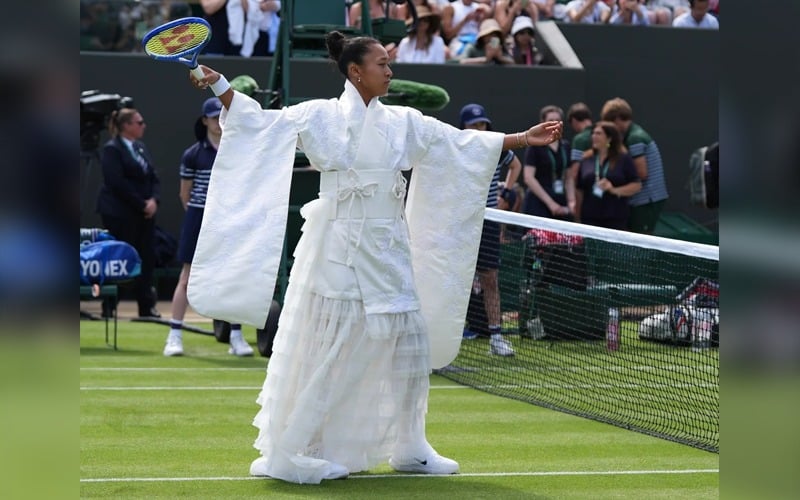
Japan’s Naomi Osaka, known for her bold fashion choices, arrived in a kimono-inspired white dress decorated with embroidered cranes and cherry blossoms, designed by Hana Yagi.
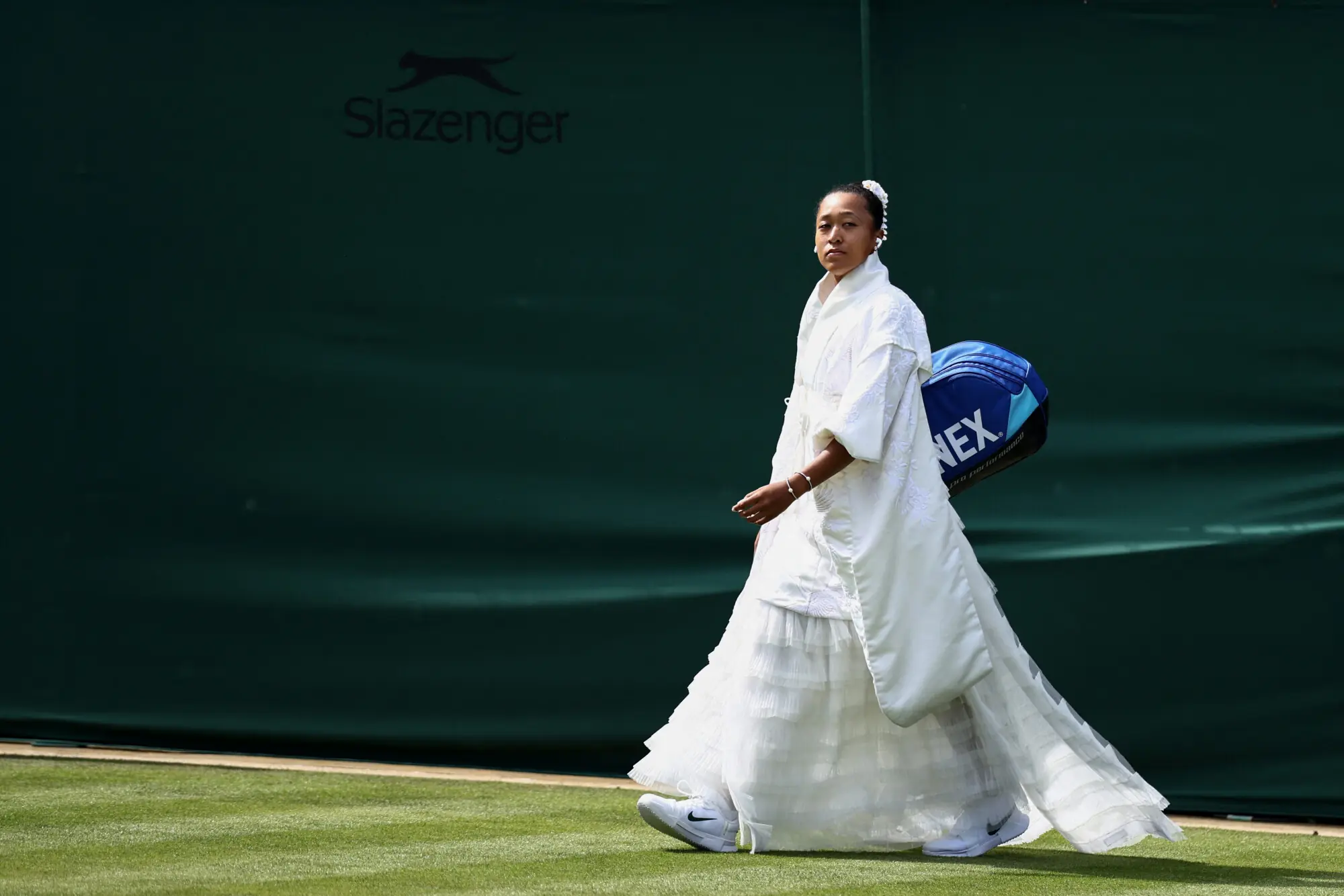
She completed the look with a traditional Japanese hair accessory before changing into a white Nike outfit for competition.
Osaka said the design reflected her Japanese and Haitian heritage, explaining that the kimono represents one of Japan’s most iconic cultural symbols.
Serbian champion Novak Djokovic also paid tribute to tennis history by wearing a white Lacoste jacket with green details inspired by classic designs from the 1920s.

Sports and fashion journalist Daniel-Yaw Miller described Wimbledon as a unique event that provides an insight into Britain’s social and cultural history.
Tennis historian Elizabeth Wilson said the tournament has always been viewed as a major social occasion, similar to traditional British events such as the Ascot horse races.
While Wimbledon fashion has become more relaxed over the years, its distinctive elegance remains unchanged. Formal hats and gloves, once common among spectators in previous decades, have largely disappeared, but the tournament’s sophisticated atmosphere continues.
Miller said Wimbledon’s identity comes from the way players and fans embrace its traditions, making it unlike any other Grand Slam event.
As tennis stars compete for glory on the grass courts of London, Wimbledon continues to prove that its appeal extends far beyond the game combining sport, fashion and history in one of the world’s most iconic sporting celebrations.

