




Besides Super El Nino, another rare yet devastating climate pattern is unfolding that could push global temperatures to record levels later this year and in 2027.
Named as “Godzilla” El Nino, the climate phase is developing in the Pacific Ocean and will unleash extreme weather patterns, impacting people, wildlife, and crops globally, as warned by scientists.
This pattern is not usual, in fact, occurs only a few times per decade, but its impact is unprecedented, characterized by spikes in global temperatures and disrupted worldwide rainfall patterns.
Scientists from organizations like NASA and the Met Office are raising concerns over the advent of “Godzilla” El Niño.

The prediction stems from recent rapid warming of sea surface temperatures in the central Pacific, which have already reached all-time record high levels.

The European Union’s climate monitor said last week that ocean temperatures are edging toward record highs. “It’s a matter of days before we are back to record-breaking ocean SSTs (sea surface temperatures) again,” Samantha Burgess, strategic lead for climate at ECMWF, said.
Emergence of positive Indian Ocean Dipole
As per scientists, the Godzilla El Nino phenomenon is going to worsen by the coming of another weather pattern, positive Indian Ocean Dipole.
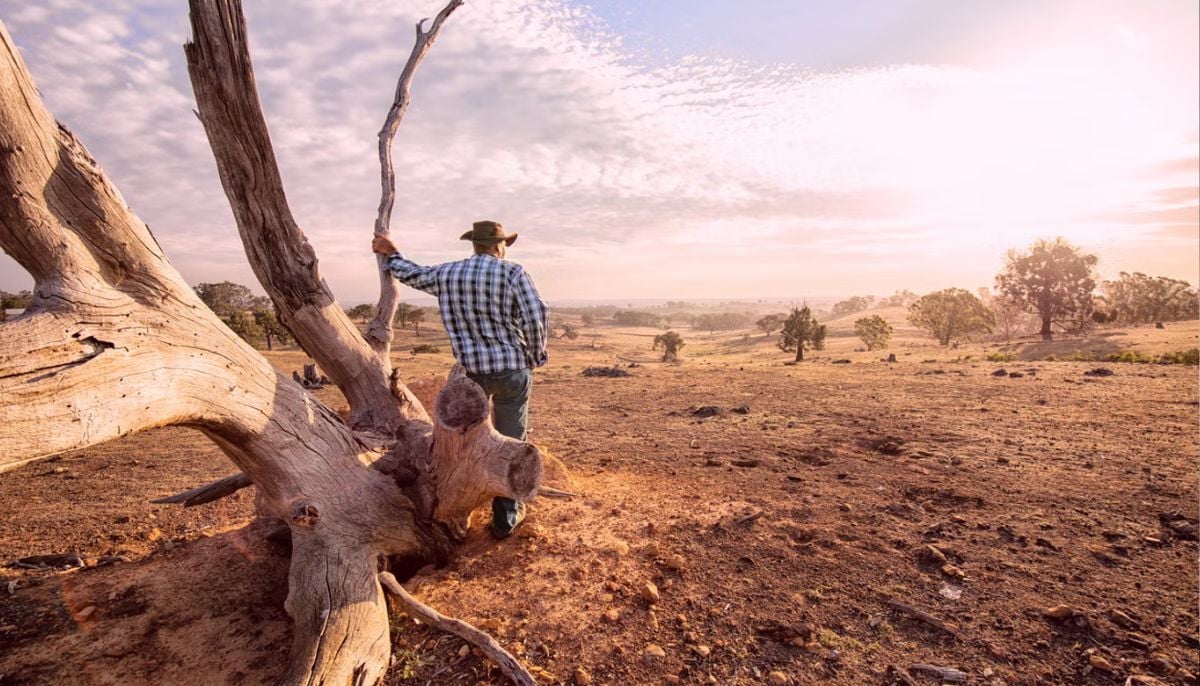
Such a weather pattern will bring extreme dry conditions across Indonesia and Australia. The drier conditions will accelerate chances of wildfires and drought risks. This has led to it being dubbed a “Godzilla” El Niño in Indonesia.
Chris Brierly, professor of climate science at UCL, said, “The forecast is definitely for an El Niño and is on the larger side – whether that counts as a ‘Godzilla’ El Niño doesn’t really matter to someone who’s suffering the impacts of it.”
“The Nasa forecast – I don’t think I believe it – but in the plume I’m looking at, Nasa’s going all the way up to 3.5C. Either way, this is an event that is coming and is strong,” Professor Brierly added.
Beyond drought conditions in Australia and Indonesia, North America may face a heightened risk of intense storms later this year.
These weather patterns could trigger unseasonably hot spells and heavy rainfall, elevating the threat of flash flooding and storm damage.
Timothy Osborn, professor of climate science at UEA, shed light on how El Niño will drive a huge region of “convective rainstorms [in the Pacific] driving global patterns of weather.”
“It also causes wetter conditions with increased risk of floods in a few regions such as coastal Ecuador and Peru [as well as] parts of the USA and Mexico.”
WFLA-TV chief meteorologist and climate specialist Jeff Berardelli, warned, “I think we’re going to see weather events that we’ve never seen in modern history before.”

