



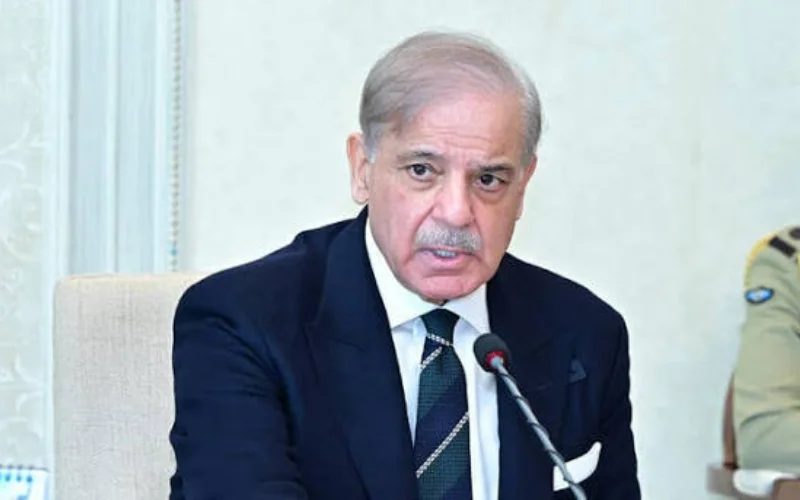

ISLAMABAD: Prime Minister Shehbaz Sharif warned that renewed conflict in the Middle East could negatively affect Pakistan’s economy, directing government institutions to remain fully prepared to respond to any economic challenges arising from regional instability.
Chairing a high-level meeting to review the impact of escalating tensions between the United States and Iran, Sharif said Pakistan’s economy remained stable but stressed the need for a comprehensive strategy to ensure a timely and coordinated response to any adverse developments.
وزیراعظم کی زیر صدارت خطے میں کشیدگی کے ملکی معیشت پر اثرات کا جائزہ اجلاس
اجلاس میں سادگی اور کفایت شعاری کے اقدامات پر رپورٹ پیش

خطے کی صورتحال میں غیر یقینی برقرار، ہر ممکنہ چیلنج سے نمٹنے کیلیے مکمل تیاری رکھیں

سادگی و کفایت شعاری مہم میں عوام نے بھرپور کردار ادا کیا جس پر… pic.twitter.com/nWxxf6LyxO
— PTV News (@PTVNewsOfficial) July 16, 2026
Officials briefed the prime minister that Pakistan currently has sufficient petroleum reserves to meet domestic demand and that measures are in place to maintain uninterrupted fuel supplies.
PM praised the government’s management of the fuel supply situation, saying subsidies had helped shield consumers, including motorcyclists, transport workers and rickshaw drivers, from the impact of higher fuel prices. He also ordered strict action, in coordination with provincial governments, against anyone creating artificial shortages of petroleum products.
The prime minister thanked the public for supporting the government’s earlier austerity and energy conservation campaigns, calling for the same national spirit to continue as the country navigates economic uncertainty. He said public cooperation in reducing fuel and energy consumption had strengthened Pakistan’s economic resilience.
The meeting was attended by senior federal ministers, State Bank of Pakistan Governor Jameel Ahmad and other top government officials.
Earlier, Foreign Office spokesperson Tahir Hussain Andrabi said Pakistan would continue encouraging the United States and Iran to end hostilities and resume negotiations under the Islamabad Memorandum of Understanding, which Pakistan helped broker last month.
He said Islamabad remained committed to diplomatic efforts, emphasizing that dialogue remains the best path to resolving disputes and expressing hope for the early normalization of shipping through the Strait of Hormuz and the continued safety of maritime navigation.
More read, US launches new strikes on Iran as Tehran vows retaliation
The meeting came after renewed military exchanges between Washington and Tehran disrupted shipping through the Strait of Hormuz, a key global oil and gas transit route, driving up international energy prices.

