




RAWALPINDI: As uncertainty persists over the expected US-Iran peace talks, the district administrations of the twin cities of Rawalpindi and Islamabad have yet to decide on reopening the closed areas in and around Nur Khan Airbase and resuming Metro Bus, electric bus services and goods transportation.
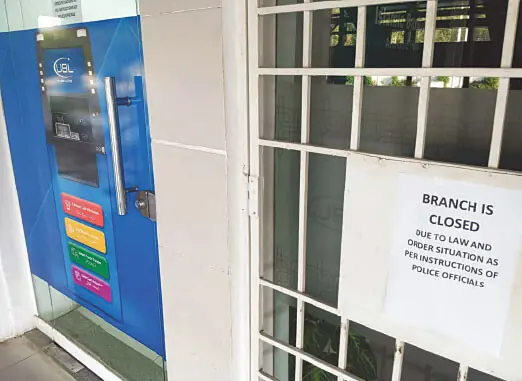
For the last five consecutive days, streets, link roads, markets and banks around the old airport have remained closed, confining residents of Shah Faisal Colony, Khalid Colony, Gulzar-e-Quaid, Fazal Town and other areas to their homes. Metro Bus Service between Rawalpindi and Islamabad and electric buses on seven routes have been suspended, while goods transport has remained halted since April 19, causing significant difficulties for the public.
Electricity load shedding has also returned in many areas despite claims by the Islamabad Electricity Supply Company (Iesco) that no outages would be carried out due to heightened security measures in the capital.
Residents of the affected localities said the government should reopen roads to allow movement so that students can appear in examinations, water tankers can reach homes, patients can access hospitals and fresh food supplies can be restored.

Suspension of transport, closure of markets add to residents’ hardships near Nur Khan Airbase

Fayyaz Hussain, a resident of Faisal Colony, said he was facing a water shortage and there was no indication of when roads would reopen for water tankers. “Banks are closed and people are unable to pay utility bills or withdraw cash,” he said.
Muhammad Riaz, a resident of Khalid Colony, said his family was forced to rely on available pulses, while children were demanding chicken but there was no supply of food items. He added that while extra security measures had been taken ahead of the expected arrival of US-Iran delegations, Iesco had resumed power cuts in many areas.
“Roads are still closed, yet Iesco is conducting load shedding. One wonders how security systems like Safe City cameras will function without electricity,” said Muhammad Nauman, a resident of Media Town. He said outages occurred three times including from 6pm to 7pm, 9pm to 10pm and midnight to 1am.
“The people pay high electricity tariffs and taxes, yet power remains unavailable,” he added.
Naseeruddin, a resident of Westridge, said shops and markets were closed at night, yet Iesco continued load shedding citing shortages.
“Rawalpindi and Islamabad pay their utility bills in full with all taxes, but the government has turned a blind eye to the issue,” he said.
Petrol filling stations are also running dry, as Oil Tankers Contractors Association spokesman Nauman Ali Butt said tanker services had been suspended for the past five days in the twin cities, leaving many stations without supply.
He suggested that the administrations allow a two- to three-hour window for fuel supply, during which oil tankers could replenish stations under official supervision.
“The administration can check invoices carried by the tankers, which would help end the shortage,” he said.
When contacted, a senior district official said the security measures had been taken for visiting foreign delegations, and restrictions on roads, goods transport and metro and electric bus services would be lifted on directives from the federal and provincial governments.
Published in Dawn, April 24th, 2026

