



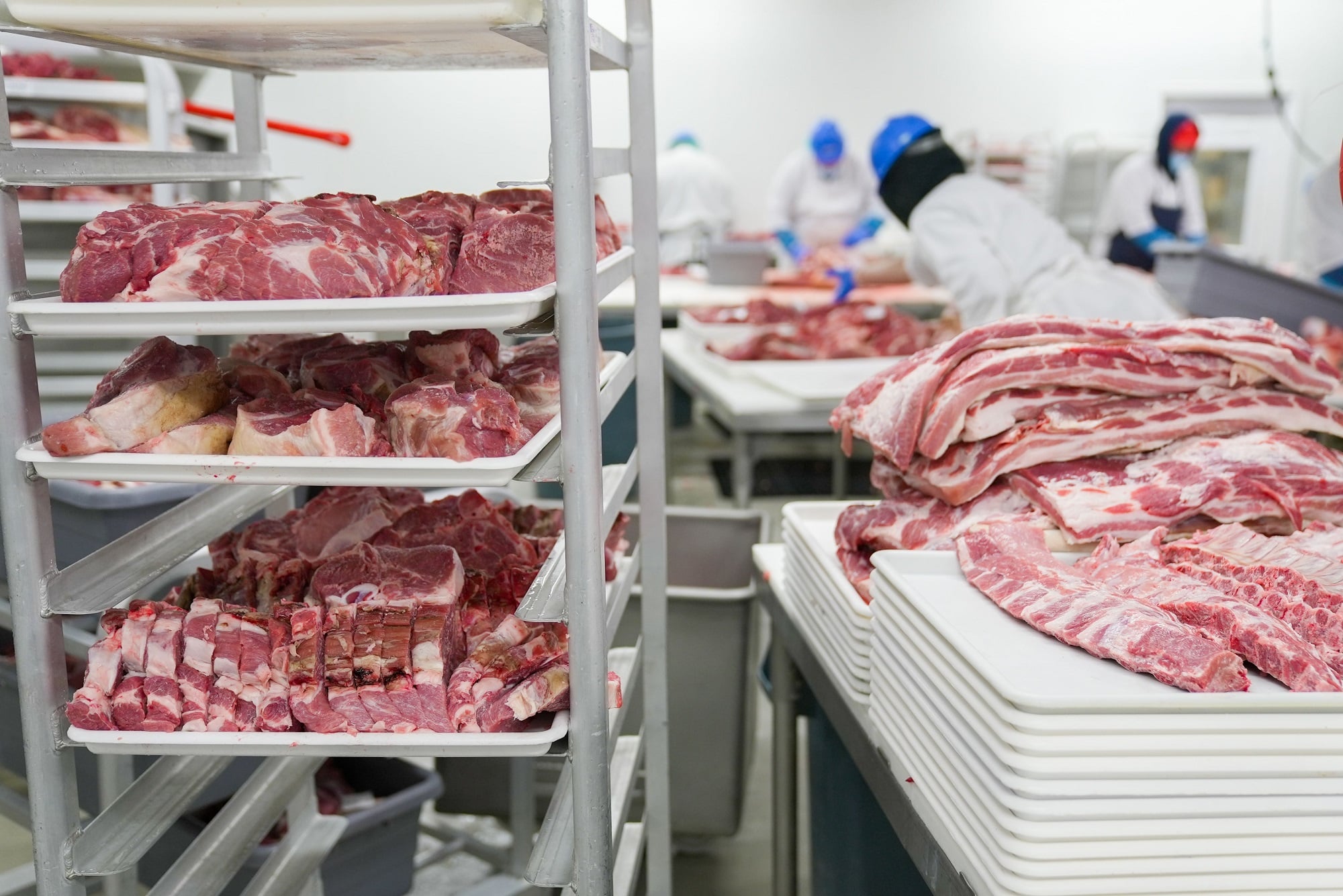

KARACHI: Pakistan’s government has unveiled a sweeping transformation plan for its livestock and meat industry, targeting export revenues of nearly $700 million by 2028 as it seeks to parlay a 250-million-strong animal population into a major driver of agricultural growth.
The initiative, detailed in the Economic Survey of Pakistan 2025-26, aims to build disease-free, traceable and export-oriented meat supply chains, backed by a newly formed apex council chaired by the prime minister and comprising the chief ministers of all four provinces.
Exports on the Rise
Pakistan’s meat exports have more than doubled over the past decade, climbing from $196 million in 2015 to roughly $427 million in 2024. Shipments in fiscal year 2025 topped $500 million for the first time. Even so, the country’s share of global meat exports remains below 1.0 percent, a gap officials say represents significant untapped potential.
Under the transformation strategy, the sector is targeted to grow at roughly 6 percent annually, with exports projected to reach $700 million by 2028.

To steer implementation, Prime Minister Shehbaz Sharif has constituted the National Meat Transformation and Export Council. The body’s mandate includes approving national roadmaps and annual action plans, setting production and disease-control targets, harmonizing federal and provincial regulations, and conducting quarterly progress reviews.

Pakistan has moved aggressively to open new export destinations in 2025-26. Authorities have pursued registration of slaughterhouses and dairy companies with the General Administration of Customs of China, while facilitating the registration of new exporters with Saudi Arabia, the United Arab Emirates, Iran and Uzbekistan.
Technical dossiers meeting import requirements have been submitted to Russia, Malaysia, Vietnam, Hong Kong and Singapore. Pakistan also secured sanitary equivalence status with Azerbaijan, clearing the way for meat and dairy exports to that market.
Sector’s Economic Weight
Livestock accounts for 62.4 percent of agriculture’s total value addition and contributes 14.6 percent of Pakistan’s GDP in 2025-26. The sector’s gross value addition rose from Rs 6,004 billion in fiscal year 2025 to Rs 6,229 billion in fiscal year 2026, a gain of 3.75 percent.
More than 8 million rural families depend on livestock for 35 to 40 percent of their income.
To attract private investment, the government plans to establish dedicated export meat-processing zones and disease-free compartments for Foot-and-Mouth Disease, Peste des Petits Ruminants, Highly Pathogenic Avian Influenza and other economically significant diseases.
Modern slaughterhouses meeting international standards and time-limited financial support schemes for investors are also in the pipeline.
Breed improvement features prominently in the strategy. The government intends to import high-yielding exotic dairy, beef and mutton breeds along with genetic materials including sexed semen, ova and embryos and to expand artificial insemination services nationwide.
Poultry a Bright Spot
Pakistan’s poultry sector has emerged as one of the fastest-growing segments of the agricultural economy, posting an average annual growth rate of 8.1 percent over the past decade and contributing Rs 999 billion in gross value addition in 2025-26.
The country now ranks as the world’s 11th-largest poultry producer, with the sector supplying roughly 43 percent of total domestic meat production and employing more than 1.5 million people.
Industry officials caution, however, that disease outbreaks, high feed costs and market volatility remain persistent challenges that must be addressed to sustain long-term growth.

