




Animal rights advocates were crowing on Saturday after Korean Air banned transporting roosters on flights from the United States to the Philippines, which has a huge cockfighting industry.
Filipinos wager tens of millions of dollars daily, by some industry estimates, as they watch two roosters armed with metal spurs fight to the death in clashes that can end in less than a minute.
The US is an important source of roosters for these fights, according to activists as well as local breeder Eduardo Eugenio, who told AFP shutting down US imports would have a “huge impact”.
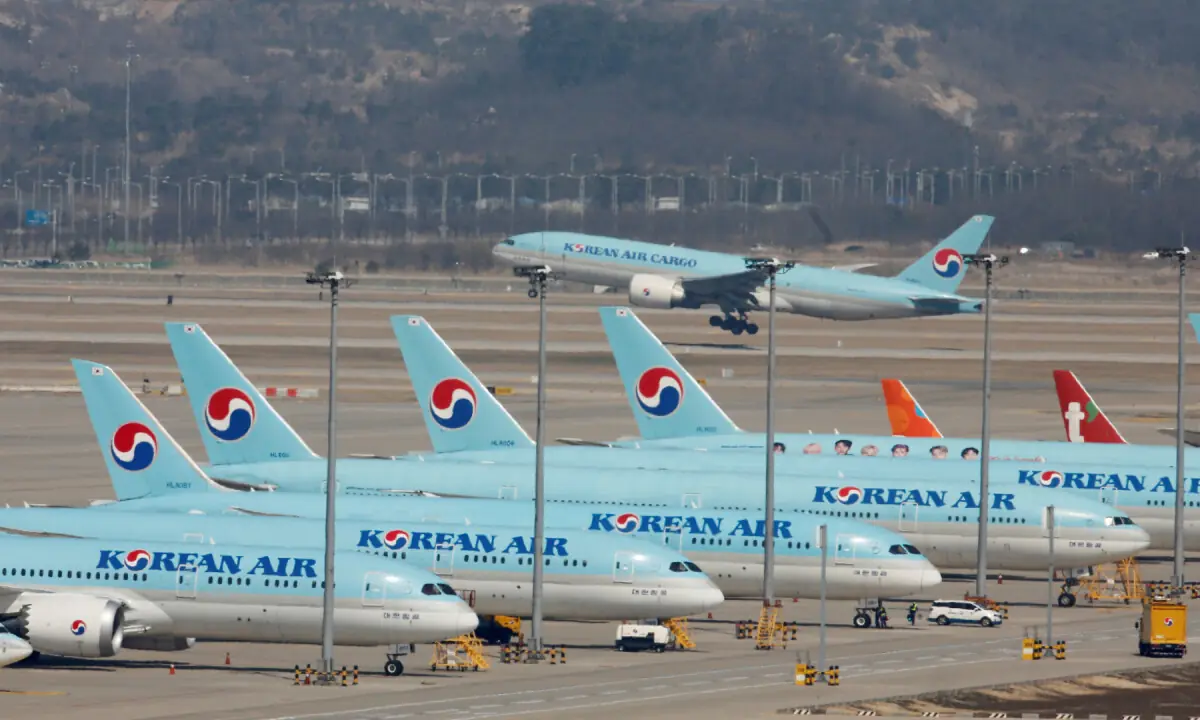
The South Korean carrier said in a statement sent to AFP on Saturday that it had “suspended the transportation of roosters of all ages on routes from the United States to the Philippines”.

“Korean Air is committed to the lawful and safe transport of live animals, in accordance with applicable laws and regulations,” it added.

US campaigner Animal Wellness Action said Korean Air was “in our estimation, the biggest global air carrier of illegally trafficked fighting birds”.
The company did not specifically mention cockfighting roosters in its statement, but animal rights groups said the ban was the result of their campaigning against what they describe as a cruel sport.
Jana Sevilla, spokeswoman for People for the Ethical Treatment of Animals in the Philippines, told AFP that Korean Air’s decision was “for sure” about cockfighting.
“We actually hope that other airlines will follow suit… We commend Korean Air for this move.”
She noted the Philippines was among a number of countries where cockfighting was still allowed, saying it “should be illegal all over the world”.
Animal Wellness Action took credit for the airline’s action “after months of investigations, and more recent inter-corporate engagement” in a statement released this week.
“Korean Air… has agreed to our demand to halt all shipments of roosters to the Philippines,” it said.
The group said US suppliers who often pose as farmers or “benign breeders” have been sending fighting birds to the Philippines “by the tens of thousands” every year, on top of US-reared birds shipped by ground and air to Mexico.
Eugenio, the Filipino breeder, said the local industry depends on US strains.
“Americans are second to none when it comes to propagation of breeding materials,” said Eugenio, who runs a 300-bird farm in the southern city of Tagum.

