



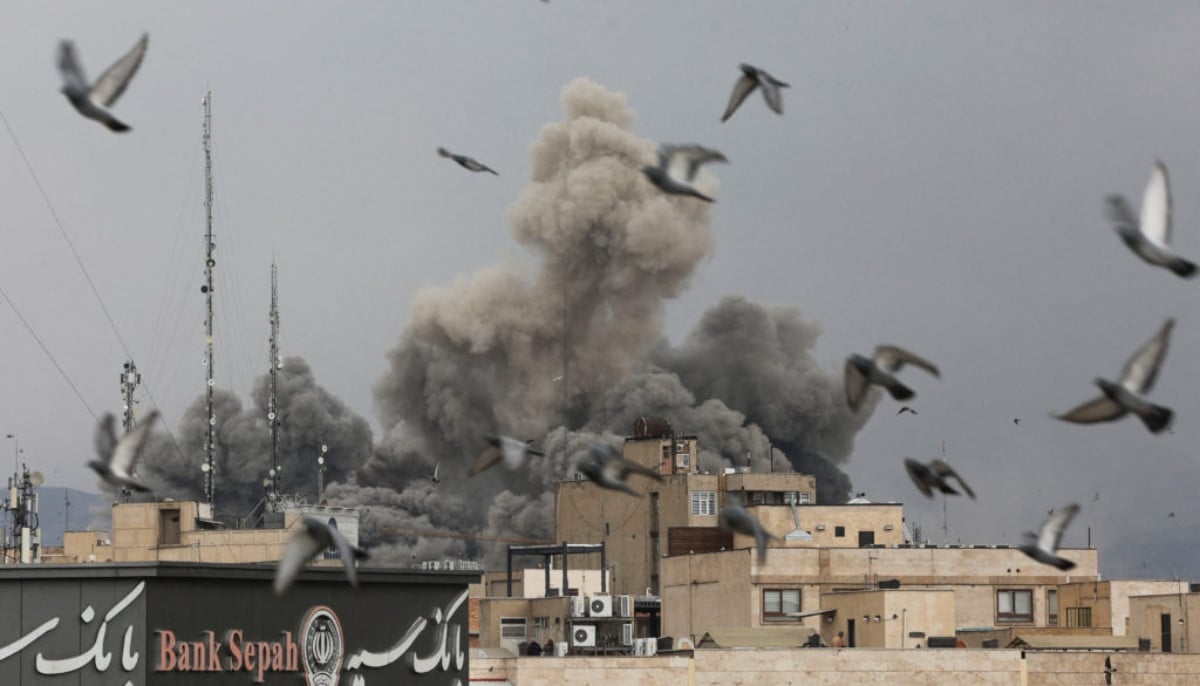

The United Nations has warned that developing countries are facing the harshest economic impact from the ongoing US-Israel war on Iran, as rising food and energy prices continue to strain households worldwide.
In its latest World Economic Situation and Prospects Report, the UN cut its global growth forecast for 2026 to 2.5 percent, down from an estimated 3 percent last year.
The organisation linked the slowdown to higher energy prices and weaker global trade caused by the war.
The report said low-income families in developing nations were under the greatest pressure “as higher food and energy prices take up a larger share of their spending and rising costs outpace wages”.

The UN also warned that poorer governments are struggling to respond because of declining international aid and mounting debt burdens.

It said sharply reduced aid flows and rising debt levels have left countries with less money for “spending on health, education, and social protection”.
According to the report, the largest economic shocks are being felt across Western Asia.
The region is facing disruption “driven not only by the energy shock but also by direct infrastructure damage and severe disruptions to oil production, trade, and tourism”.
The warning comes as concerns grow over the wider global economic impact of instability in the Middle East.

