




Persistent high fuel prices and growing social unrest have intensified political clashes across France.
Persistent high fuel prices and growing social unrest have intensified political clashes across France.
A wave of intense demonstrations and mounting social unrest, setting off a fierce political clash as the country looks ahead to the 2027 presidential election.
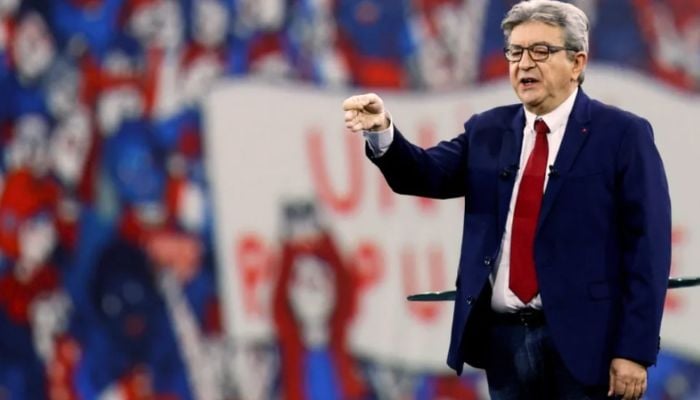
French Prime Minister Sébastien Lecornu and hard-left leader Jean-Luc Mélenchon traded barbs on Monday over high school students blockading classes to demand more resources.

The students cite teacher shortages, deteriorating schools and heavy workloads, adding another source of public frustration as France faces mounting financial pressures ahead of the 2027 presidential election.

Pump prices remain near historic highs, while opposition leaders have stepped up criticism of the government’s economic policies, citing pressure on households and the transport sector.
The unrest comes as parliament debates the upcoming state budget and multi-billion-euro austerity measures. Government officials are seeking to meet deficit-reduction targets demanded by Brussels while limiting the impact on household purchasing power.
Opposition figures on both the left and right have used the demonstrations to challenge the government’s fiscal record.
With the presidential race approaching, economic grievances—including fuel costs, household budgets and public services are increasingly becoming central political issues.
Driven by soaring living costs, high fuel prices, and contentious public sector reforms, the growing disruptions have transformed everyday economic grievances into a high-stakes political showdown.
The convergence of rising living costs, strained public services and fiscal reform has turned everyday economic concerns into a broader political confrontation that could shape the debate ahead of 2027.

