



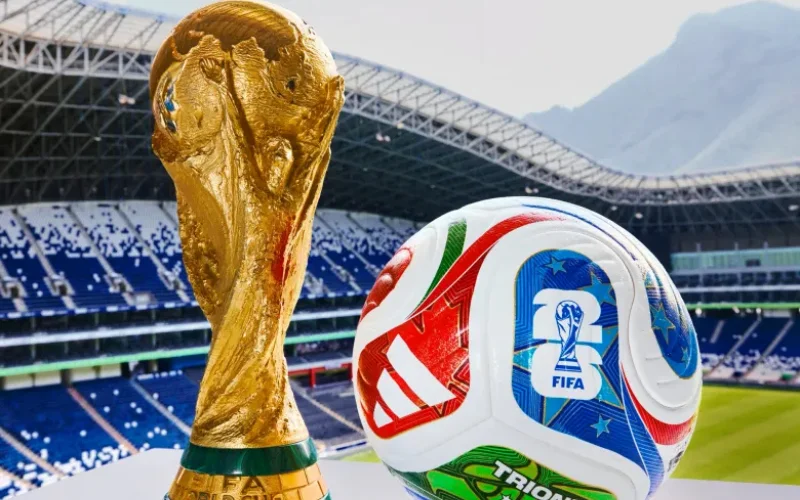

For the first time, the competition will feature 48 teams instead of 32.
The upcoming FIFA World Cup 2026, scheduled to begin on June 11 in the United States, Mexico and Canada, is expected to be one of the most unique editions in the tournament’s history.
For the first time, the competition will feature 48 teams instead of 32, making it the largest World Cup ever in terms of participation.
Under the new format, the teams will be divided into 12 groups. The top two sides from each group will qualify directly for the knockout stage, while the eight best third-placed teams will also advance, introducing a Round of 32 for the first time.

Former Arsenal manager and FIFA’s Chief of Global Football Development Arsène Wenger has defended the expansion, saying it is a natural step in football’s global growth.

He said the move has already opened the door for nations such as Jordan, Uzbekistan, Curaçao and Cape Verde to compete on the world stage for the first time, calling it a “natural evolution” of the sport.
However, critics argue that the expanded format could lead to more one-sided matches between stronger and weaker teams, potentially affecting the overall excitement of the tournament.
There are also concerns over player fatigue, as teams reaching the final will need to play up to eight matches in a condensed schedule, increasing the risk of injuries.
More read, Supercomputer predicts 2026 World Cup winner
FIFA maintains that the expansion will significantly benefit both global football development and the sport’s economic growth.

