


Breathe Pakistan: International Renewable Energy Agency official calls for investing in solar infrastructure

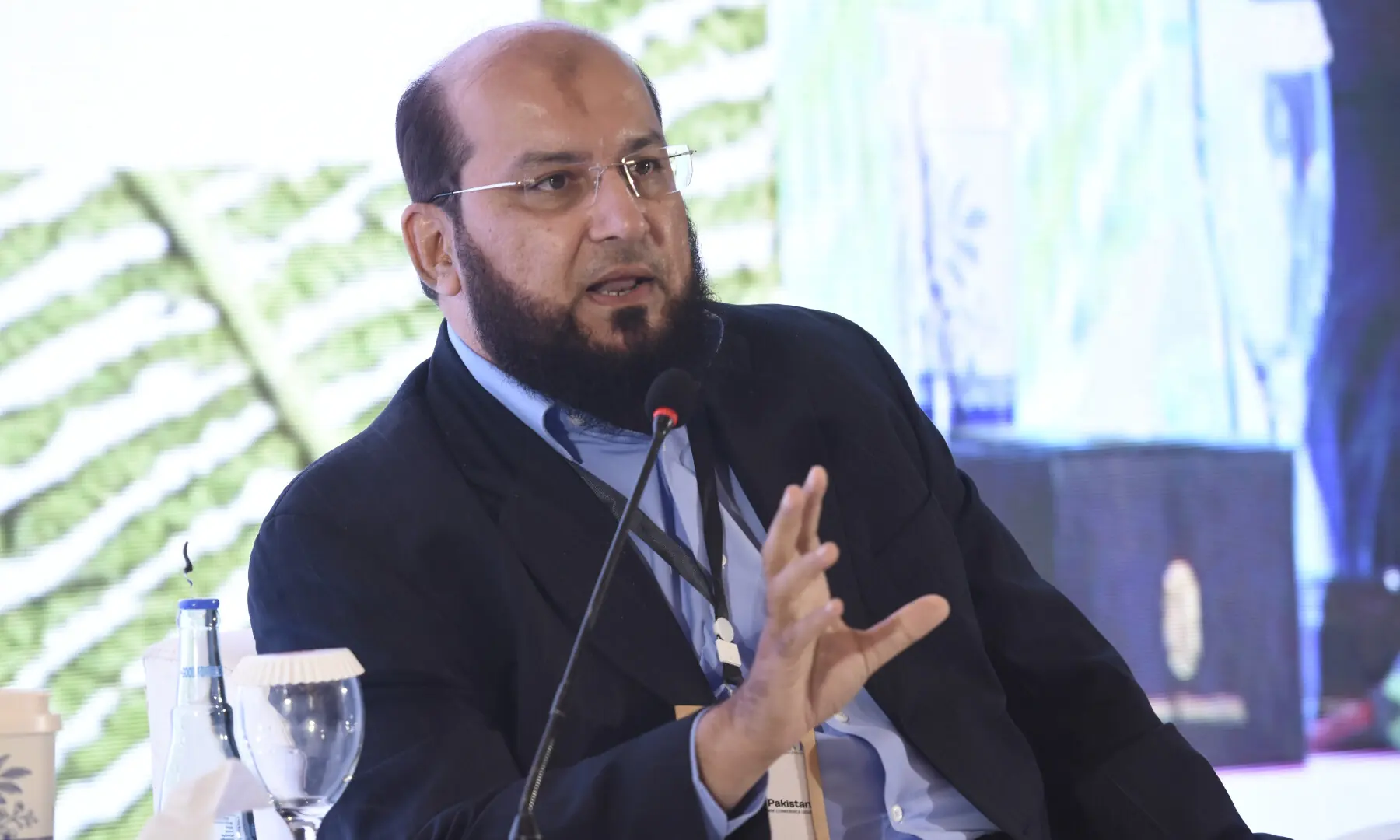

The second day of the second edition of the Breathe Pakistan International Climate Change Conference, organised by DawnMedia, is currently underway in Islamabad.
Despite contributing minimally to global emissions, Pakistan remains among the most climate-vulnerable nations, underscoring the critical need for coordinated, locally grounded, and globally informed responses.
The two-day conference is bringing together policymakers, experts, and stakeholders from across sectors to examine intersecting challenges and chart a path forward.
On the first day, federal ministers, government officials, business leaders, and agriculture and water experts were among the various speakers who presented their perspectives on tackling the climate crisis.

View the full agenda here.

1:28pm — ‘Many factors’, not financing catalysed Pakistan’s energy revolution: expert
Lums Energy Institute Director Dr Naveed Arshad, speaking about Pakistan’s energy revolution, said, “We have not used probably a single dollar of climate financing in all this transition. There were many factors combined together.”
He noted that Pakistan witnessed “a very interesting revolution of the grid that we have not seen in any country”, adding that the transition was from a connected grid to a distributed grid.
1:21pm — Expert notes need for good policies, very smart financing mechanisms
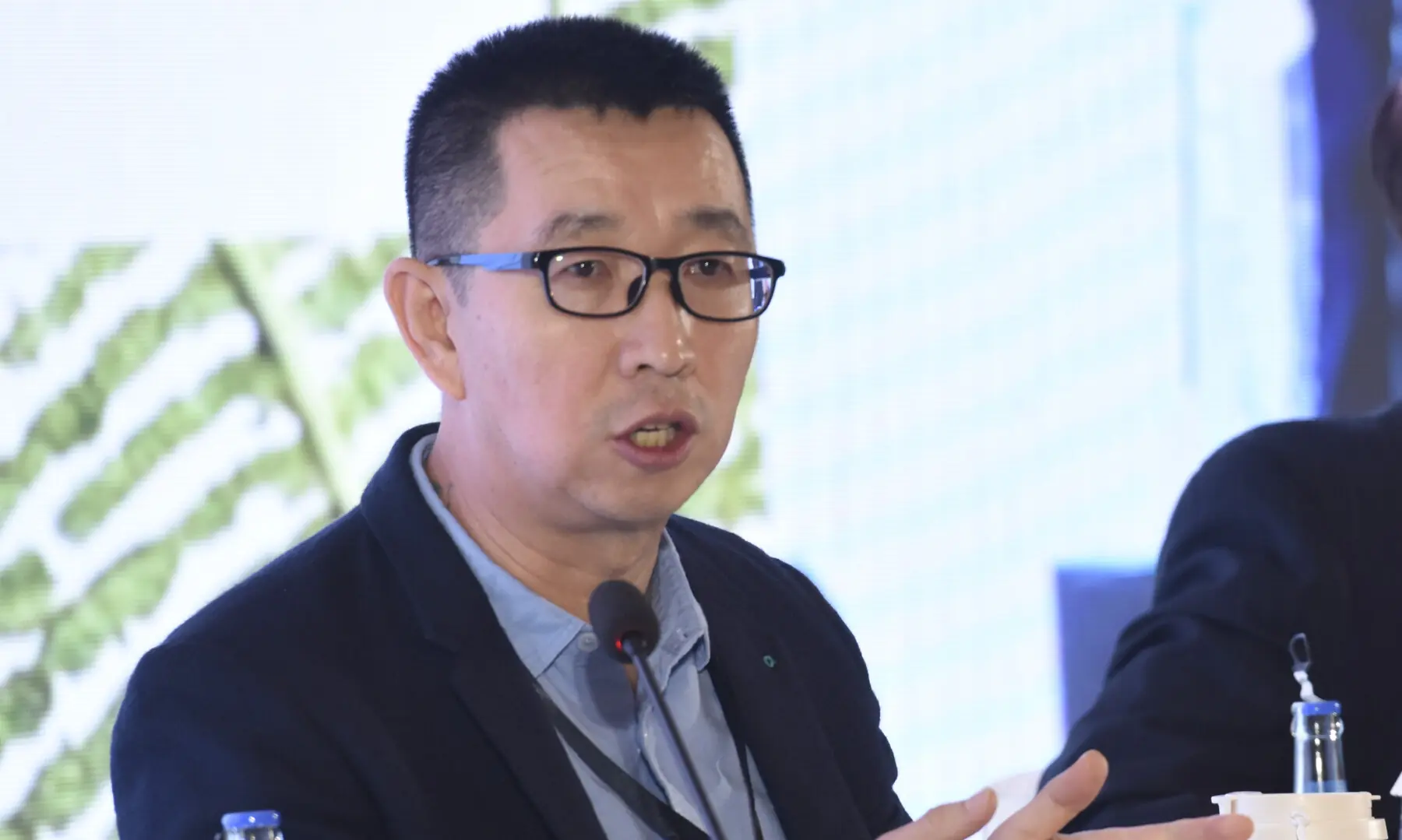
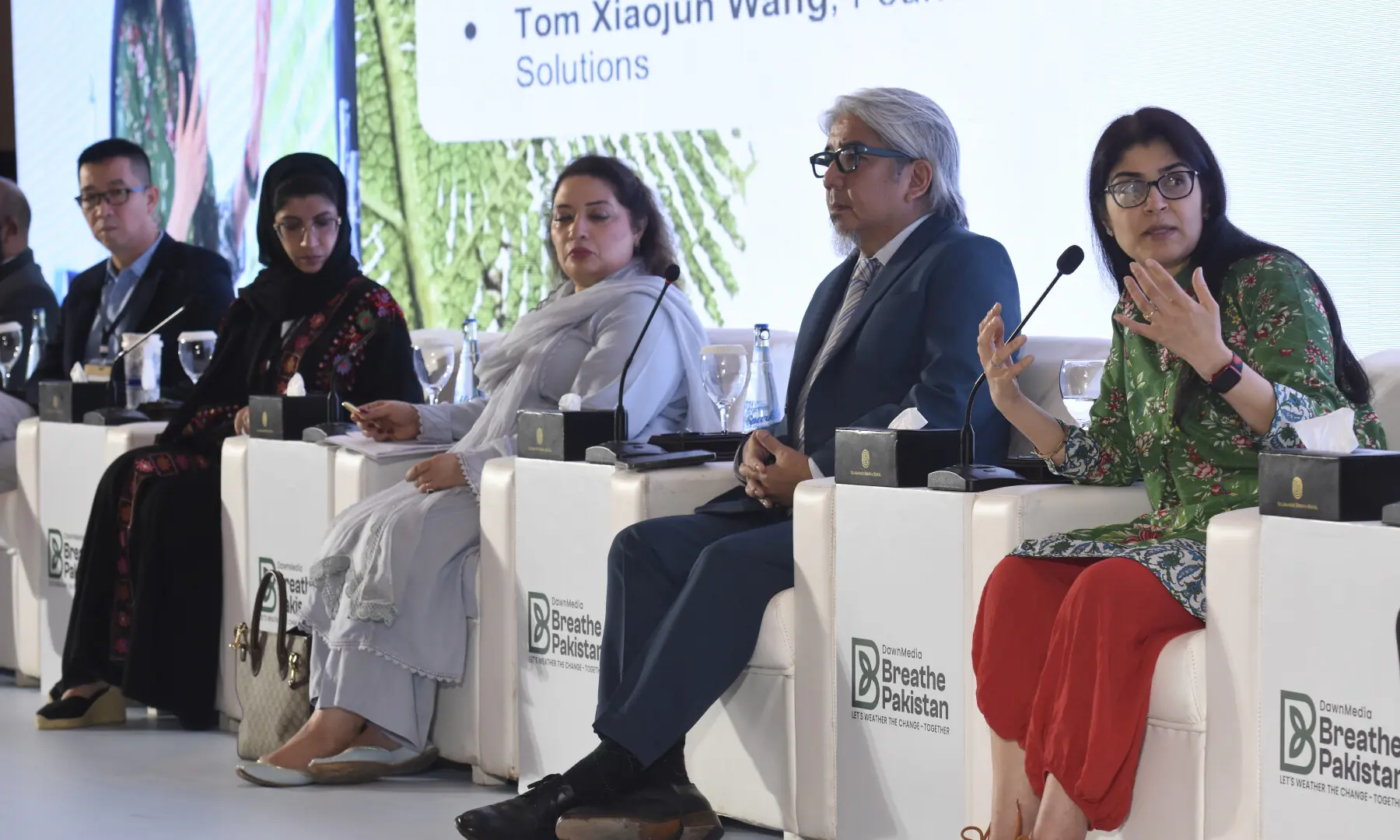
People of Asia for Climate Solutions Founder Tom Xiaojun Wang noted that Pakistan and China have reacted to the fossil fuel prices differently.
“When we talk about energy anxiety, this is exactly where” new and already existing technology can be used, he said, mentioning the recent energy crisis resulting from the oil crisis.
“We are not really in shortage of technology, we are not really in shortage of even financing in many ways […] What we need to do is mobilise very good policies and very smart financing mechanisms,” Tom emphasised.
1:12pm — IRENA official calls for investment in solar infrastructure
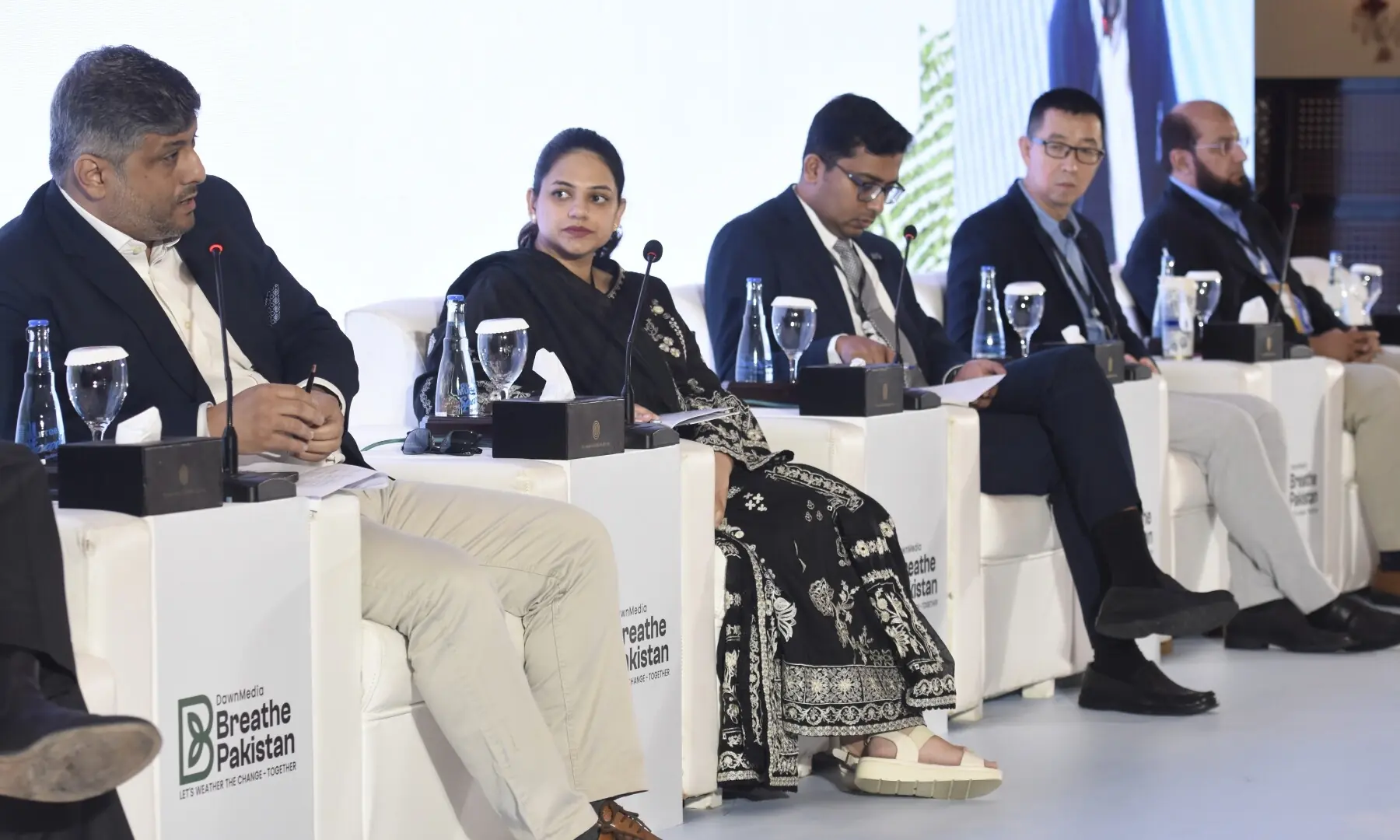
Kamran Siddiqui, programme officer for energy and infrastructure at International Renewable Energy Agency (IRENA), speaking about Pakistan’s solar transition, said there was a “need for investment at the infrastructure level, particularly at the grid side”.
“We need to decide how the energy is going to be deployed, whether it’s behind the meter or net-metering.”
He also noted an increase in the import of solar batteries “over the past three years”. However, he added that the solar boom had also “created challenges for the government as the demand for grid supply has reduced”.
1:05pm — ‘Consistent decline in fossil fuel consumption over last 3-4 years’
Haneea Isaad, energy finance specialist at Institute for Energy Economics and Financial Analysis (IEEFA), noted that Pakistan was managing the ongoing situation resulting from the Middle East war relatively well, with no fuel shortages.
“Over the past three to four years, we have seen a consistent decline in fossil fuel consumption, whether its oil, gas or coal,” Isaad pointed out.
She highlighted Pakistan’s “rapid solarisation drive”, adding that the shift took place in 2022 after the Russia-Ukraine war broke out.
12:57pm — Panel talk on clean energy begins
A panel talk, titled “Empowering Pakistan’s Transition to Clean Energy”, is now underway.
National Credit Guarantee Company Limited CEO Ammar H Khan is moderating the session.
12:52pm — Must discuss impact of climate shock on urban poor: NED Pro-VC
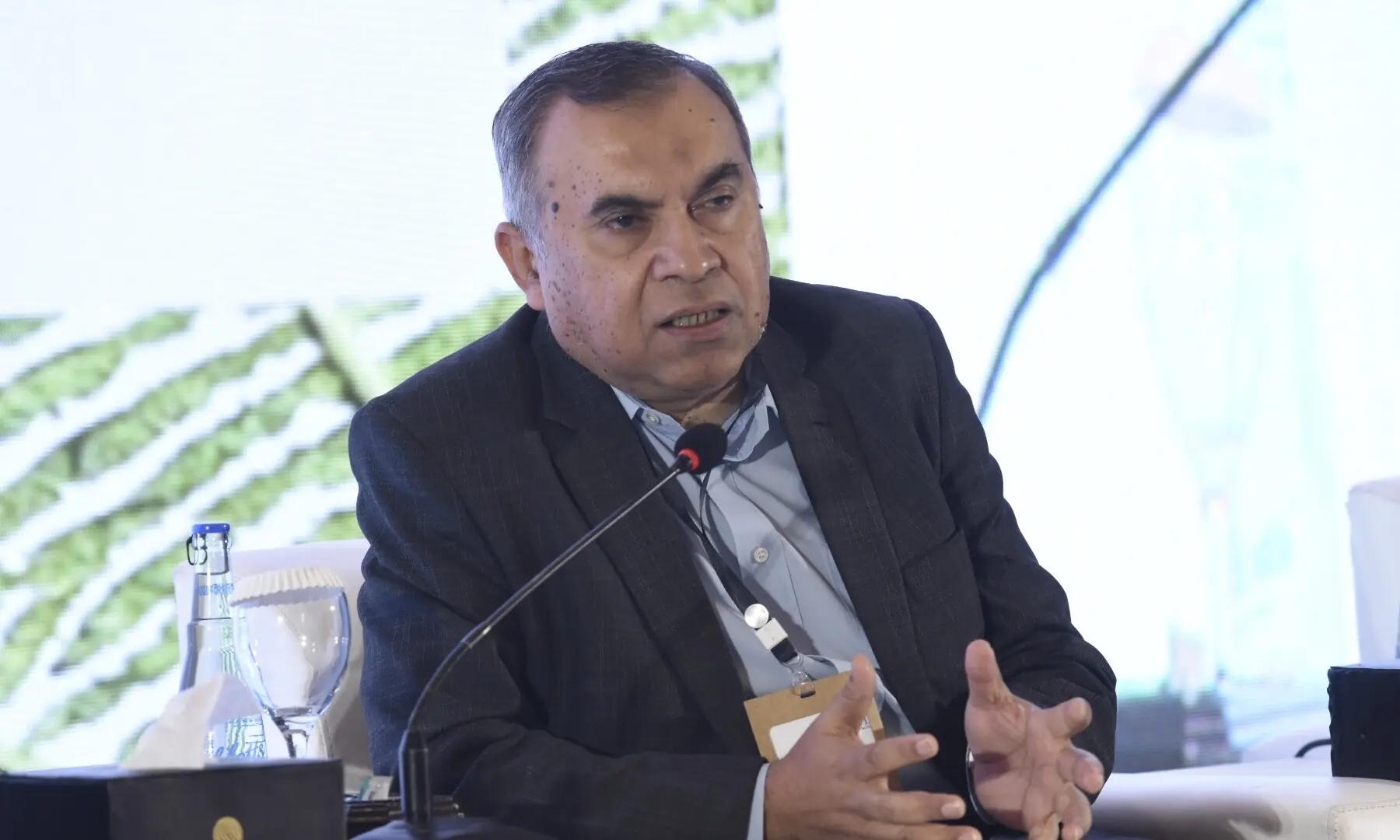
Dr Noman Ahmed, Pro Vice Chancellor at NED University of Engineering and Technology, highlighted that since opportunities for livelihood were diminishing in rural areas due to climate risks, people moved to cities, where they “face ruthless evictions”.
“Their plight is not acknowledged,” he added, stressing that “anti-encroachment drives were anti-poor operations”.
He further stated that it was vital to discuss the impacts of climate shocks on the “poor, particularly the urban poor and see what can be safeguarded by the right type of policy and planned intervention”.
12:48pm — Largest cities of Pakistan facing ‘haphazard’ urbanisation
Dr Noman Ahmed noted that locations and hinterlands that were “not supposed to be urbanised” were undergoing urbanisation.
“The largest cities of Pakistan are basically shouldering the load of urbanisation in an extraordinary manner. And these are the cities that are under an enormous amount of duress […] so Karachi, Lahore, Faisalabad and all the largest cities of Pakistan are experiencing an extraordinary scale of sprawl,” he said, adding that it was leading to a “very haphazard type” of urbanisation.
12:36pm — Urbanisation not planned, but absorbed: IOM Pakistan official
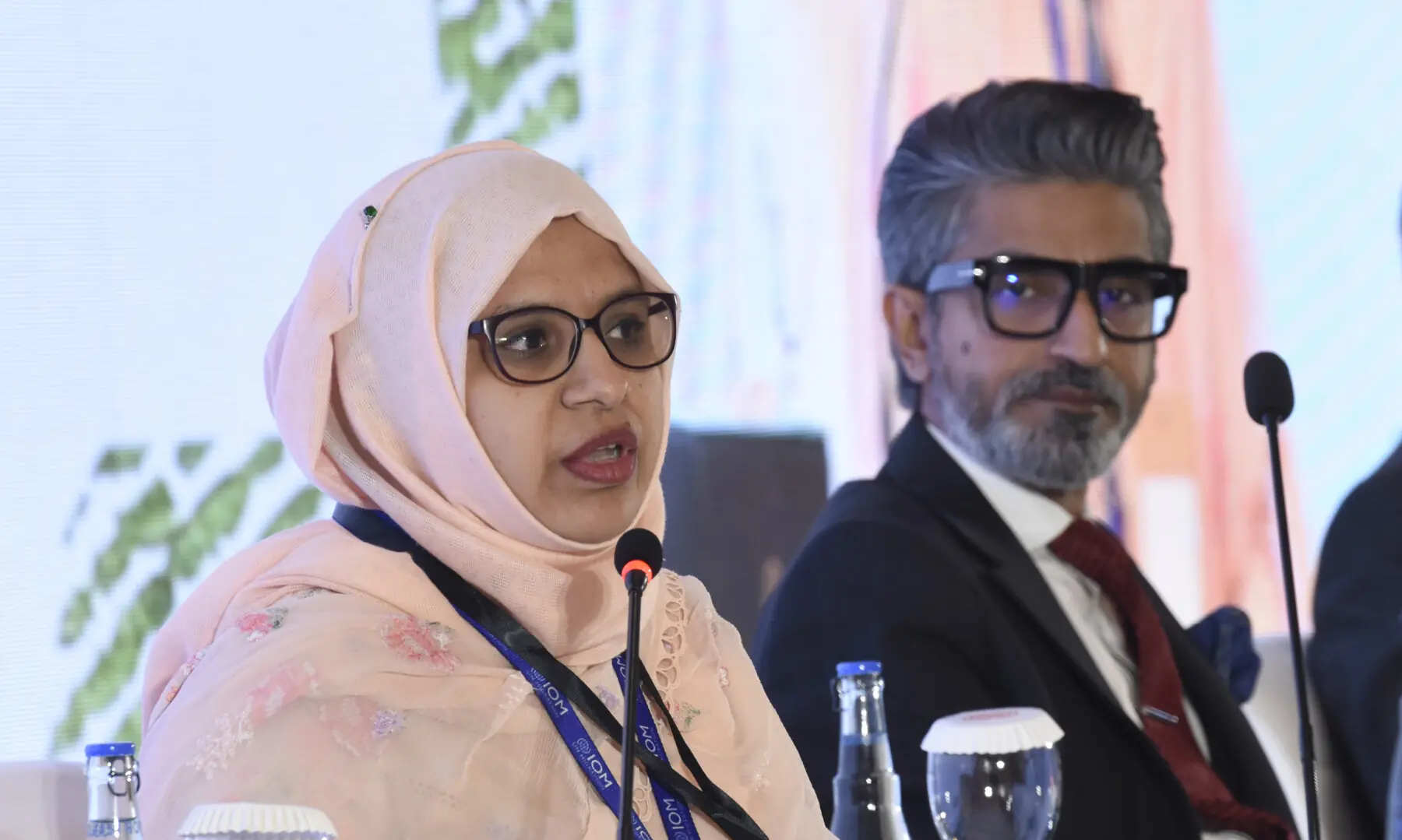
Sumera Izhar, recovery advisor at IOM Pakistan, pointed out that in Pakistan, urbanisation was “not planned but absorbed”.
She noted that in the past, the main factor for migration was better job opportunities, but “now it is changing to climate-shock-induced” migration. She added that in Pakistan, “more than 13 million people were migrating internally due to climate shocks”.
She further added that the issue was being looked at as a “humanitarian one,” rather than through the lens of “climate mobility”.
12:29pm — Having data alone not enough: Urban Unit CEO
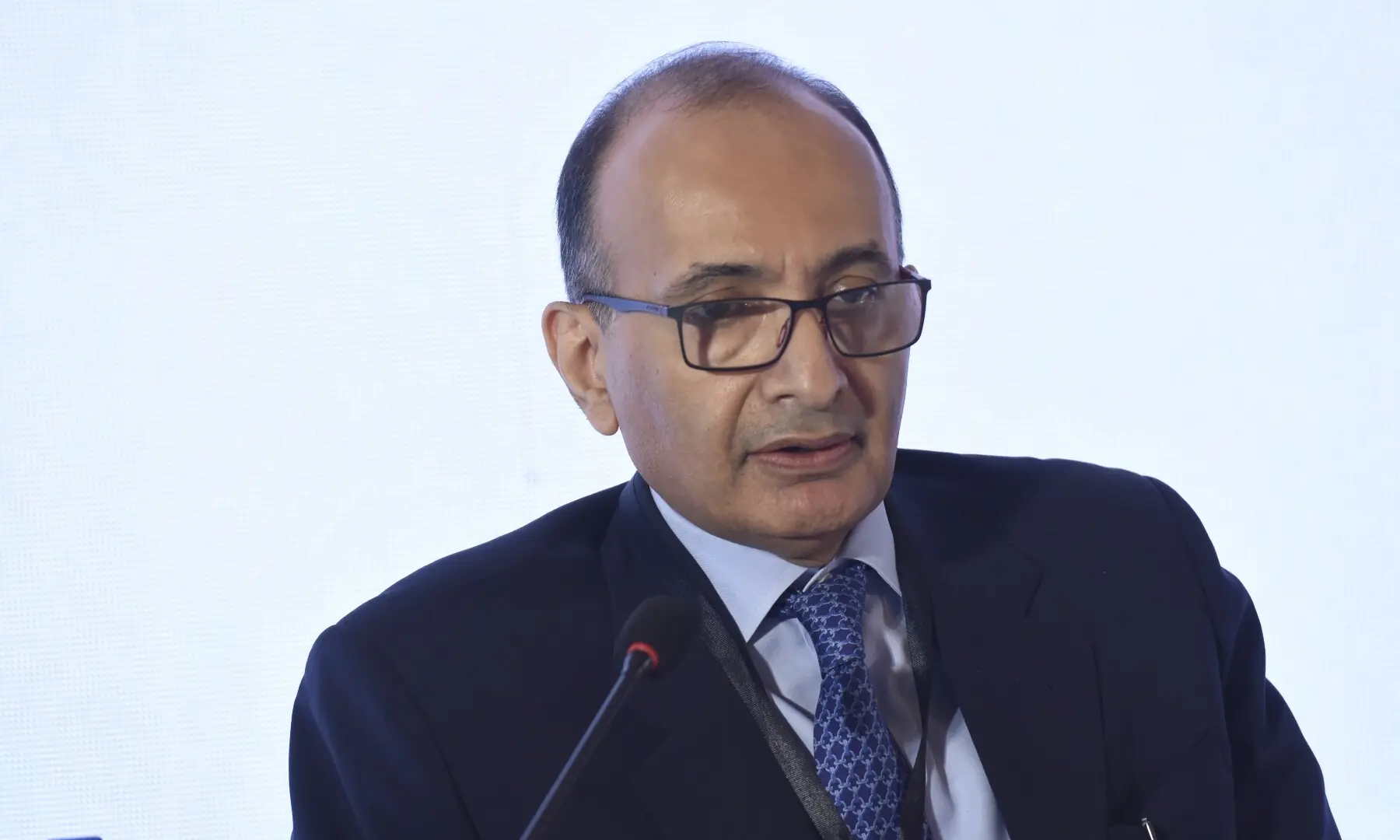
Urban Unit CEO Muhammad Omar Masud noted there was now a “political economy of urban planning”, terming it an issue.
He noted that about 45pc of Punjab’s population was urbanised. Masud added that data alone was not enough, observing that there was a need for governments to start sharing data with the public.
“You need to have those institutions that are going to transmit it all the way to policy.”
12:21pm — UN-Habitat official decries lack of urban planning
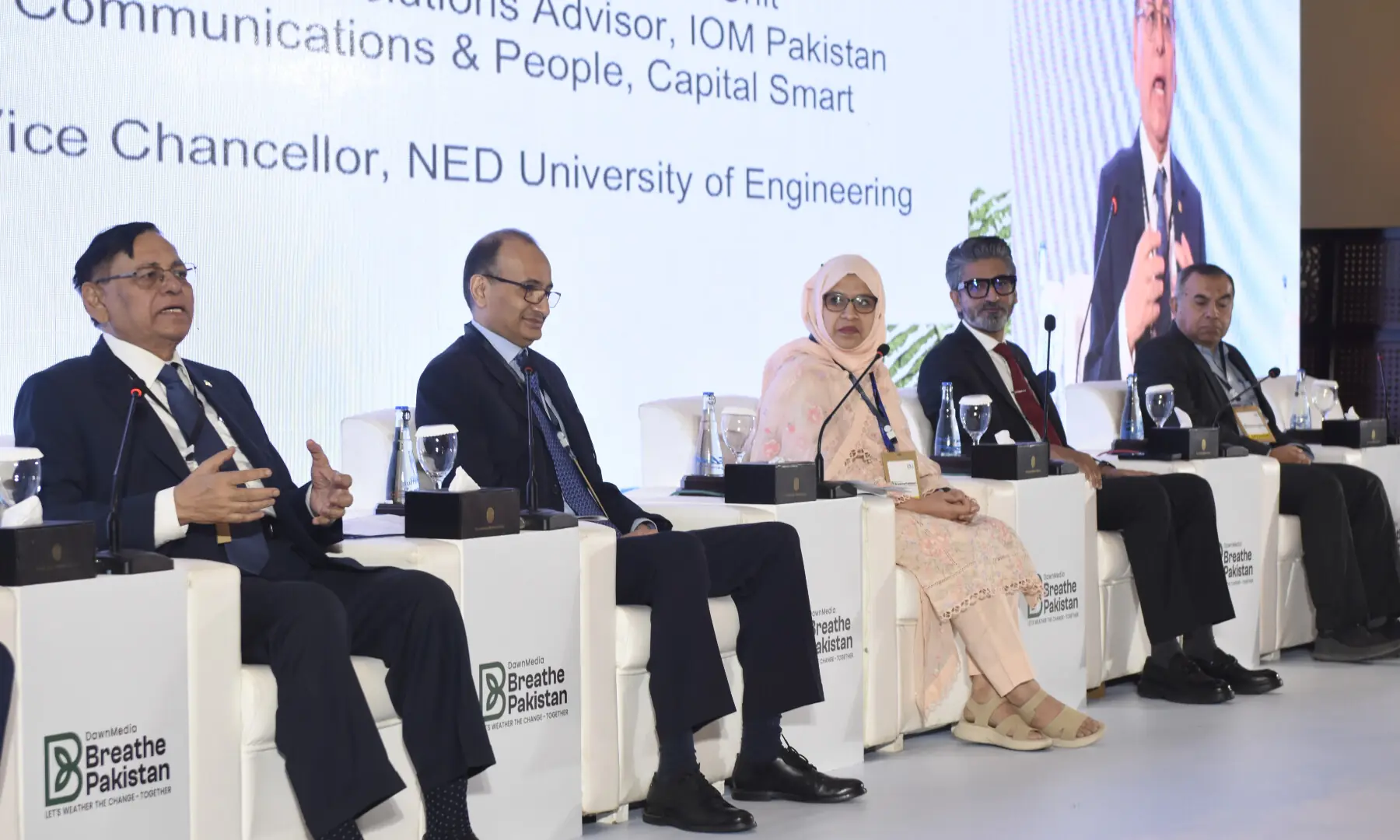
UN-Habitat Pakistan Senior Advisor and Programme Manager Jawed Ali Khan decried the lack of urban planning, which he said is “triggered more intensely by climate change”.
“Our planners have to be conscious; they must study the challenge and build necessary safety zones,” he said, recalling urban flooding in Islamabad and Lahore last year as well as Karachi’s heat island effect.
He stressed that urban planners must “design the infrastructure keeping in mind the challenges we are facing”.
12:14pm — Panel discussion begins
A panel talk, titled “Are Climate-Smart Cities Possible in the Developing World?”, has begun.
Climate adviser Dawar Hameed Butt is moderating the session.
12:10pm — UNEP official notes cities not directly engaging with financiers
Mirey Atallah, head of adaptation & resilience at United Nations Environment Programme (UNEP), noted that often, there was not a lack of funding, but rather accessibility of funding.
“Cities are not directly engaging with financiers. It’s always through the Ministry of Finance of the federal government,” she noted.
The UNEP official pointed out that countries like Pakistan, which have high indebtedness, were faced with barriers because the ministry may not be willing to give an NoC to cities for more loans to manage the overall debts.
12:06pm — Opportunity to ‘leapfrog’ through indigenous solutions: Mirey Atallah
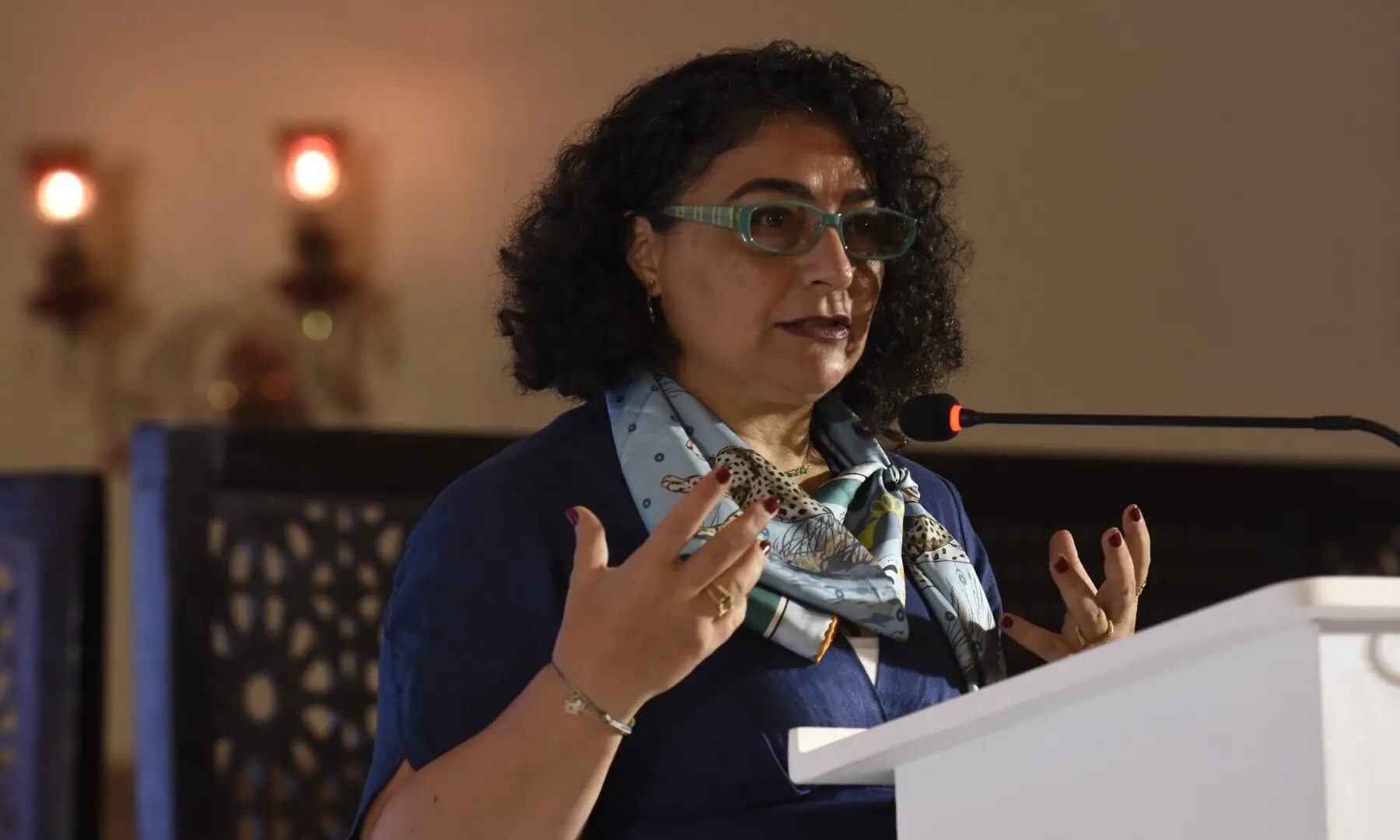
UNEP Head of Adaptation & Resilience Mirey Atallah highlighted that there exists an opportunity to “leapfrog” through “innovation, creativity, and indigenous solutions”.
However, she noted that the opportunities were “challenged by speed,” adding that the “speed” was related to population increase and expansion.
12pm — Tariq Alexander Qaiser calls for Karachi’s islands not to be turned into ‘high-rise communities’
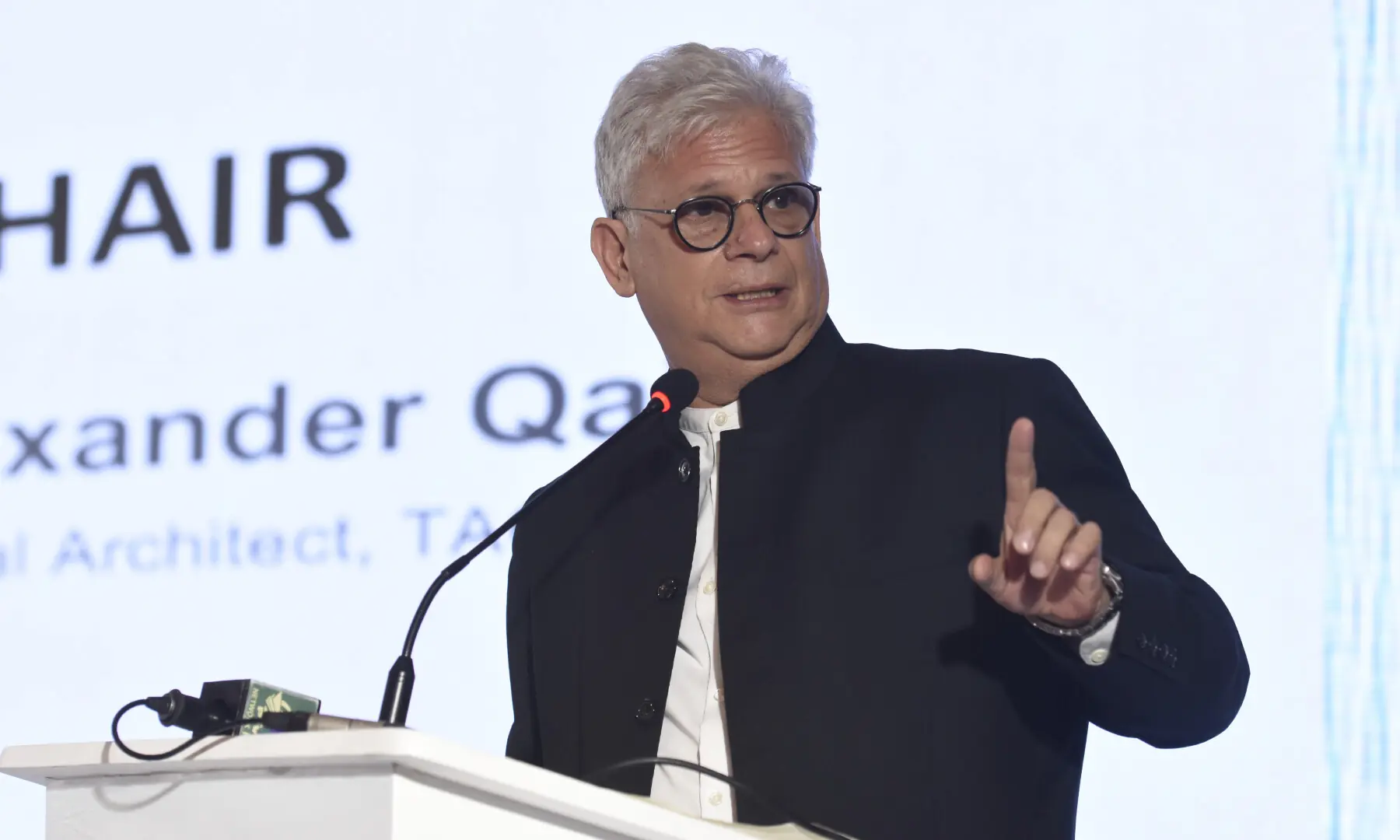
Architect Tariq Alexander Qaiser said, “The days of mega corporations and globalisation are dying. It is and has to be about local benefit.”
He called for more mangrove plantation work to be done on Karachi’s coastal islands and its western delta.
Qaiser called for the preservation of Karachi’s coastal islands, mainly Bundal Island and Khiprianwala. “The city requires them to be covered in mangroves, not human commercial enterprises,” he added.
“These islands should not be developed into high-rise communities or industrial zones. They need to become protected areas for nature reserves and inter-title biodiversity,” he asserted.
“For our progeny to live healthy, productive lives, we need our cities to exist in this intersection — the nexus of man and nature. That is the only way forward,” Qaiser added.
11:56am — ‘Cities divided into those with access to clean water and those who don’t’
Qaiser spoke of the effluent being washed away into the sea, stating that it was not going “into treatment plants or solid waste facilities”.
“Draining systems get clogged; they are built upon [..] disease vector spread,” he added, stressing that the city was divided into “those with access to clean drinking water and those who did not”.
“Our cities, our lives suffer from deep inequity; this is overwhelming, and it should be for all of us.”
11:49am — Environmentalist notes need for new laws with ‘holistic understanding’
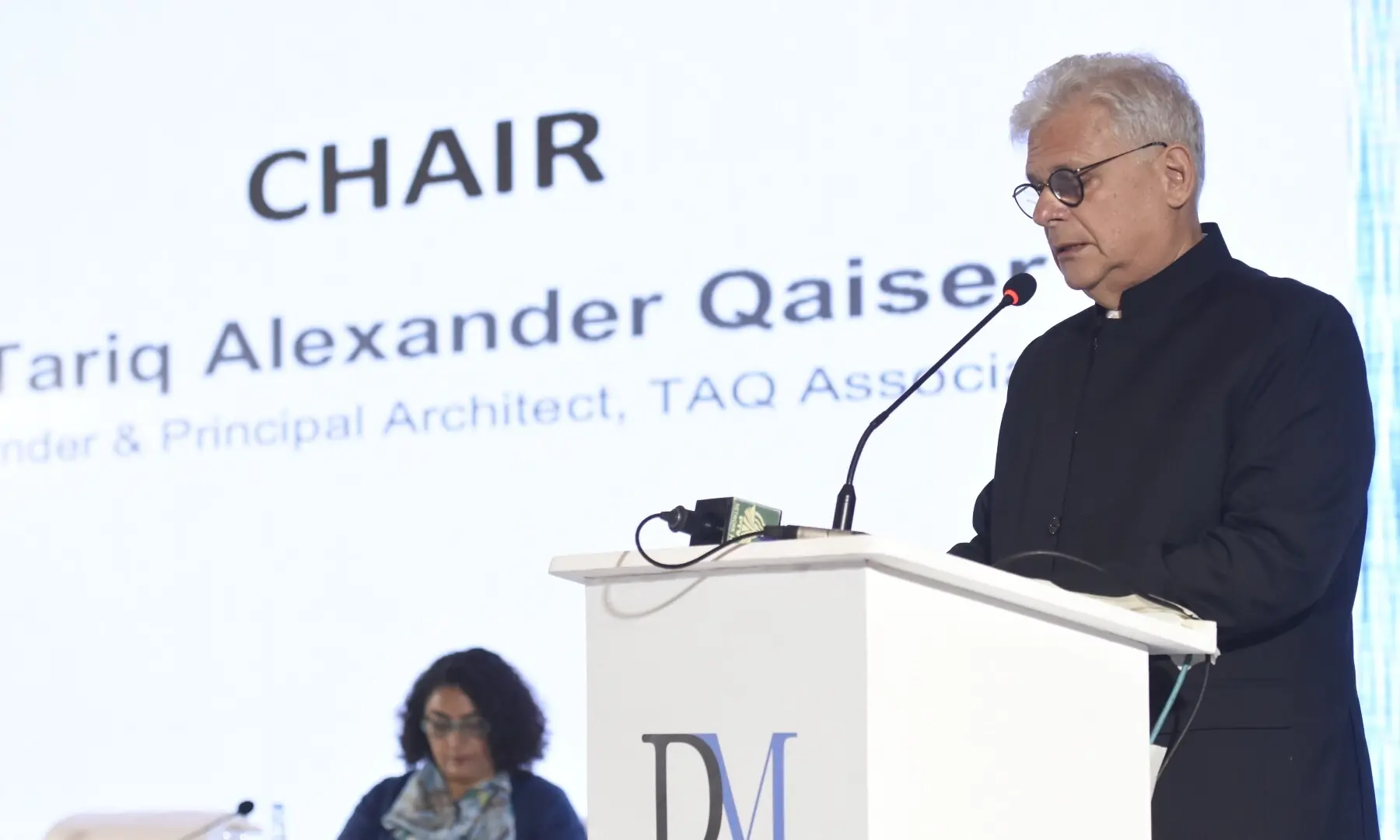
Tariq Alexander Qaiser, an architect and founder of TAQ Associates, underscored the need for new laws. “New ones are needed, ones that will be accepted by all.”
He noted that science and humanities had been separated and were studied in silos, wondering why philosophy had been “put aside”.
Qaiser emphasised the need for a “holistic, integrated and deeply sensitive understanding of issues” in today’s world.
11:40am — Punjab ‘case study’ for rest of world
Marriyum Aurangzeb said that with the provincial government’s interventions, Punjab has become a “case study” in terms of environmental protection for the rest of the world.
“A lot of countries have approached us,” she said, adding that the government was working in collaboration with the “environment sector, legislative lawyers”.
“We have the test policies, test legislation, it is just time to act, bring them together and make them work,” she added.
11:36am — Punjab minister underscores importance of collecting data
The Punjab senior minister underscored the importance of collecting data, saying, “We can’t govern what we can’t measure.
“We have mapped the entire industry, we have mapped the sectors. We have data now available with us and that is being used in our spatial planning,” she added.
11:31am — About 35pc of PM2.5 reduced over past 1.5 years: Punjab minister
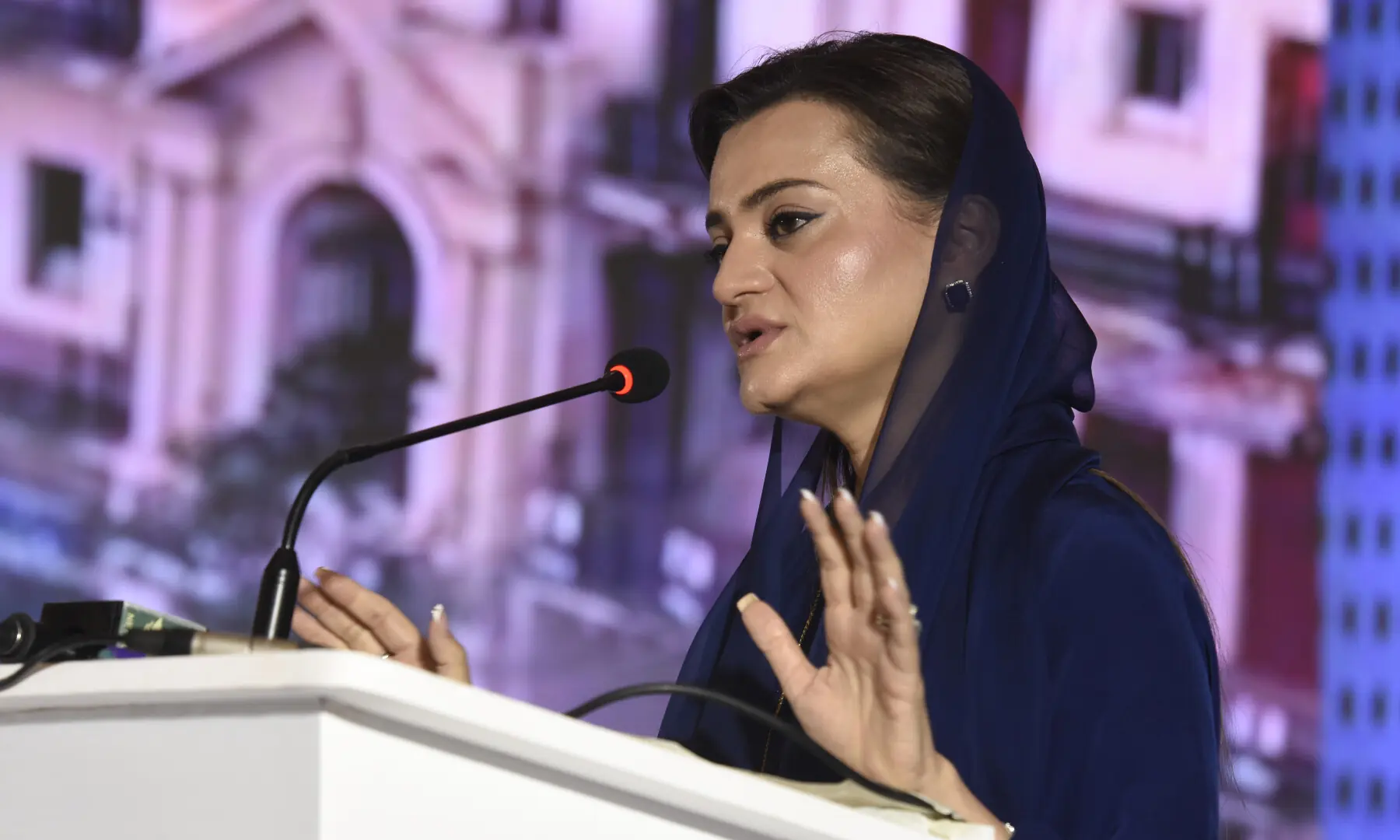
Marriyum Aurangzeb mentioned various steps and initiatives being undertaken by the Punjab government, including a smog mitigation plan.
She said, “With all what we have done in a year and a half or two years, about 35 per cent of PM2.5, according to the international website, we have reduced over the last year and a half.
“So whatever we are doing seems to be working and having an impact, but a lot needs to be done, of course, in other areas and sectors also,” the minister acknowledged.
Aurangzeb said that the launch of a climate observatory was also being planned, which would have satellite offices across Punjab.
11:20am — Environmental protection, urbanisation not opposing forces: Marriyum Aurangzeb
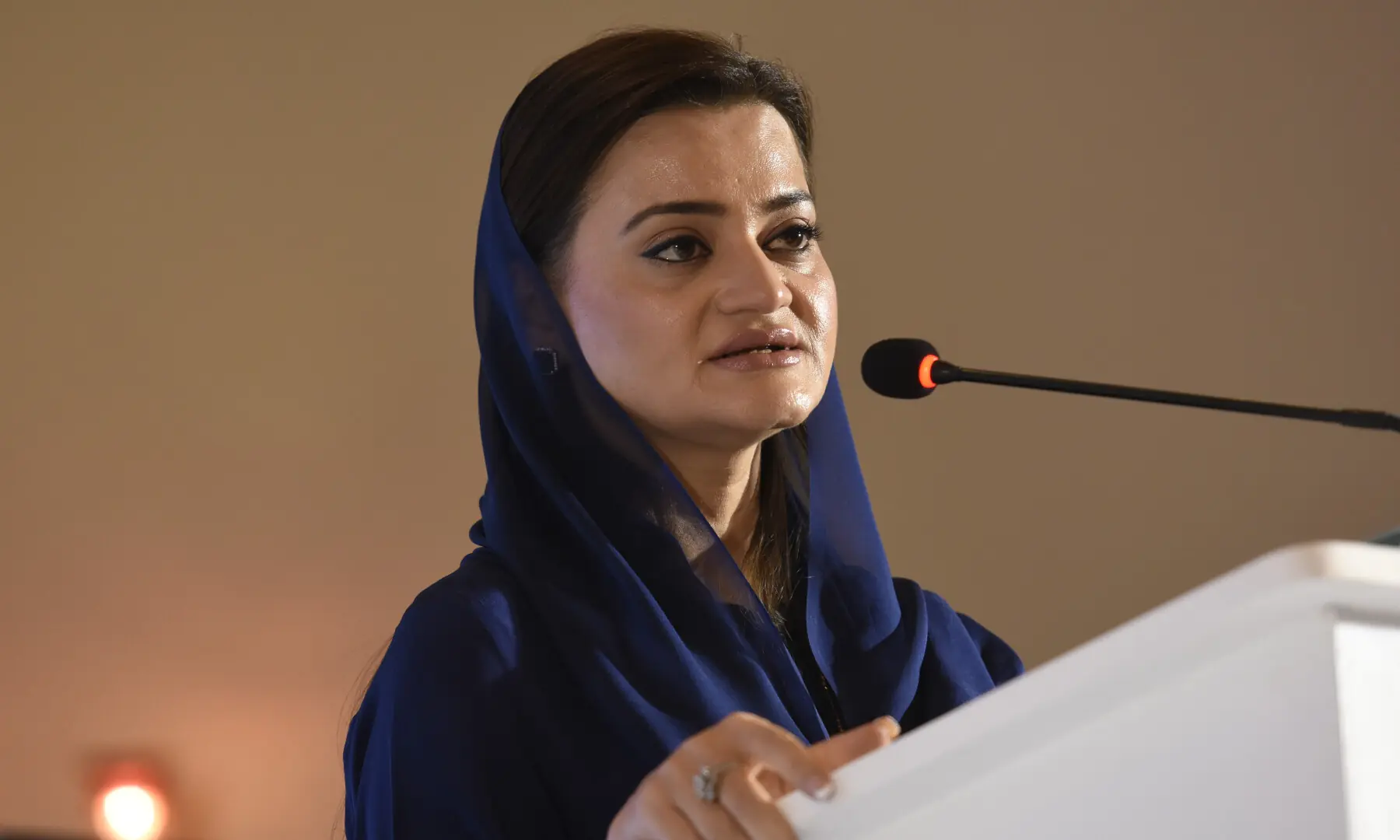
Punjab Senior Minister Marriyum Aurangzeb spoke of Punjab’s actions on moving from “a vulnerable province to more of an environment, climate-resilience leadership”.
Aurangzeb said she did not see environmental protection and urbanisation as opposing forces.
She maintained that if the decision-making takes into account the protection of ecological balance, climate resilience, and infrastructure, “urbanisation can be made inclusive, sustainable and responsible”.
She emphasised that Punjab had taken a “more of an ecosystem approach”, using a multisectoral lens.
The minister mentioned the launch of public buses and the environment protection force as some of the steps to transition towards an environment-friendly urban city.
11:12am — Climate crisis demands solidarity: Maldives’ envoy to Pakistan
The Maldives’ high commissioner called on the Global South to go beyond negotiations and focus on sharing knowledge, technical cooperation and capacity-building.
“Climate crisis demands not only urgency, but solidarity,” he emphasised, affirming that the Maldives remained committed to working with Pakistan and the Global South on the issue.
11:09am — Maldives, Pakistan ‘stand on the frontline of climate vulnerability’
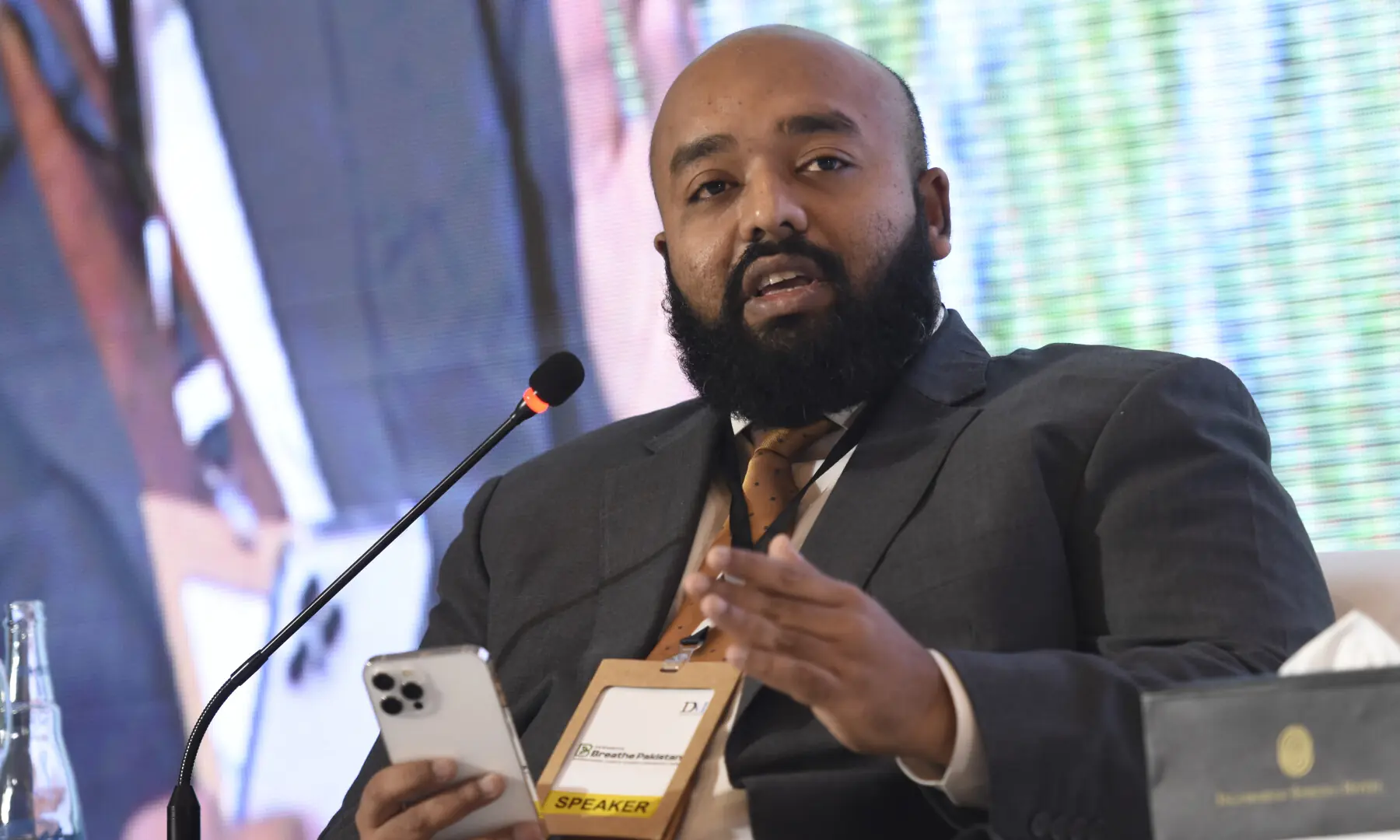
Mohamed Thoha, High Commissioner of the Maldives to Pakistan, spoke about climate challenges faced by his country.
“Both our countries are different in geography and scale, but we have to stand on the frontline of climate vulnerability,” he said.
Thoha explained that Maldives faced rising sea levels and coastal erosion, threatening long-term sustainability. He added that the Maldives was committed to transitioning 33pc of its energy consumption to sustainable and clean resources.
10:58am — Melting glaciers ‘shared vulnerability’ for countries like Nepal and Pakistan: envoy
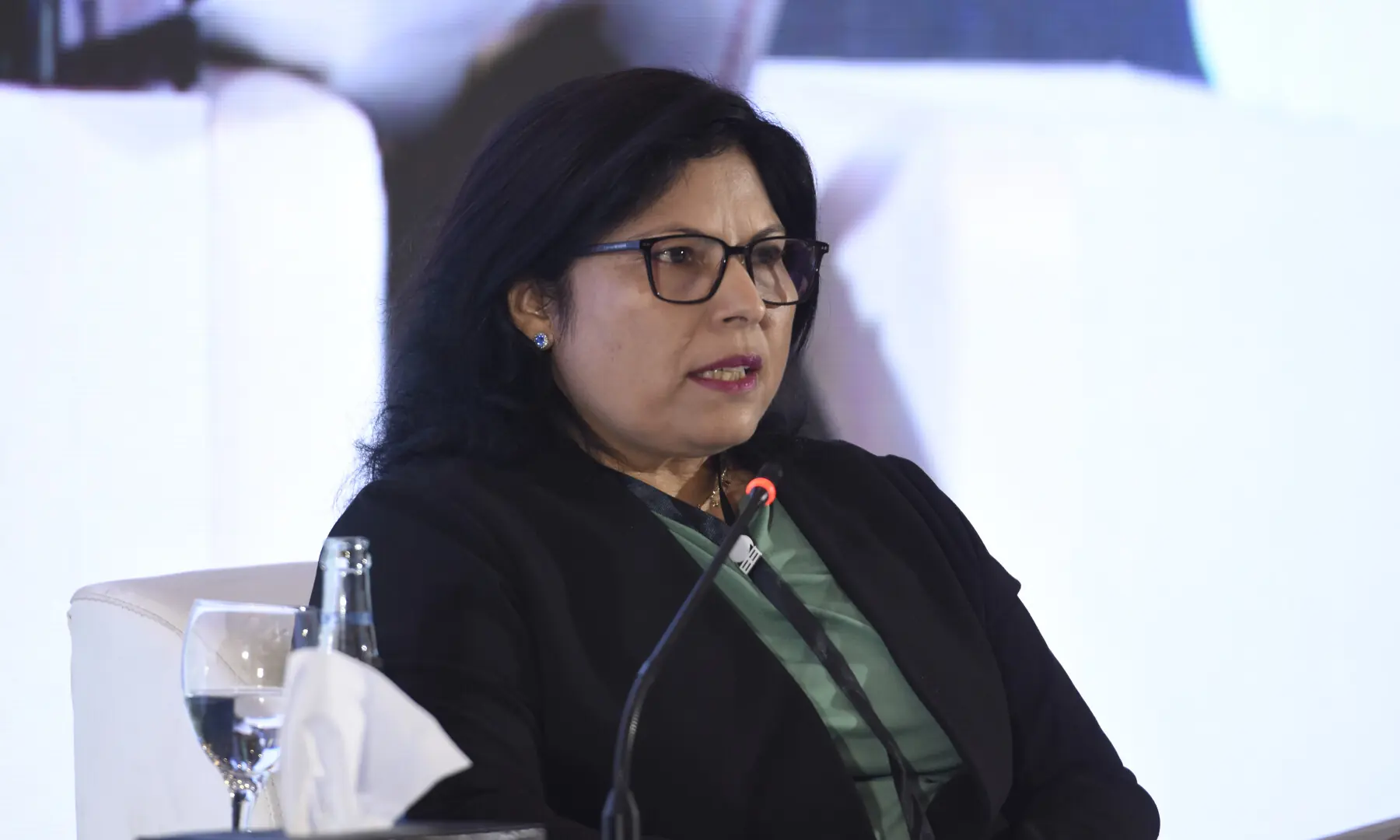
Rita Dhital, Ambassador of Nepal to Pakistan, noted that melting glaciers were a “shared vulnerability” for countries like Nepal and Pakistan.
She highlighted that Glofs hampered tourism, agriculture and hydropower generation in Nepal, recalling that her country has experienced “major Glofs” since 1970s that resulted in significant loss of lives.
Dhital spoke about Nepal’s actions to tackle glacial melting, including using engineering to lower lake levels and identify lakes that pose a potential threat of outbursts.
10:51am — Opportunities lie in Global South: private sector adviser
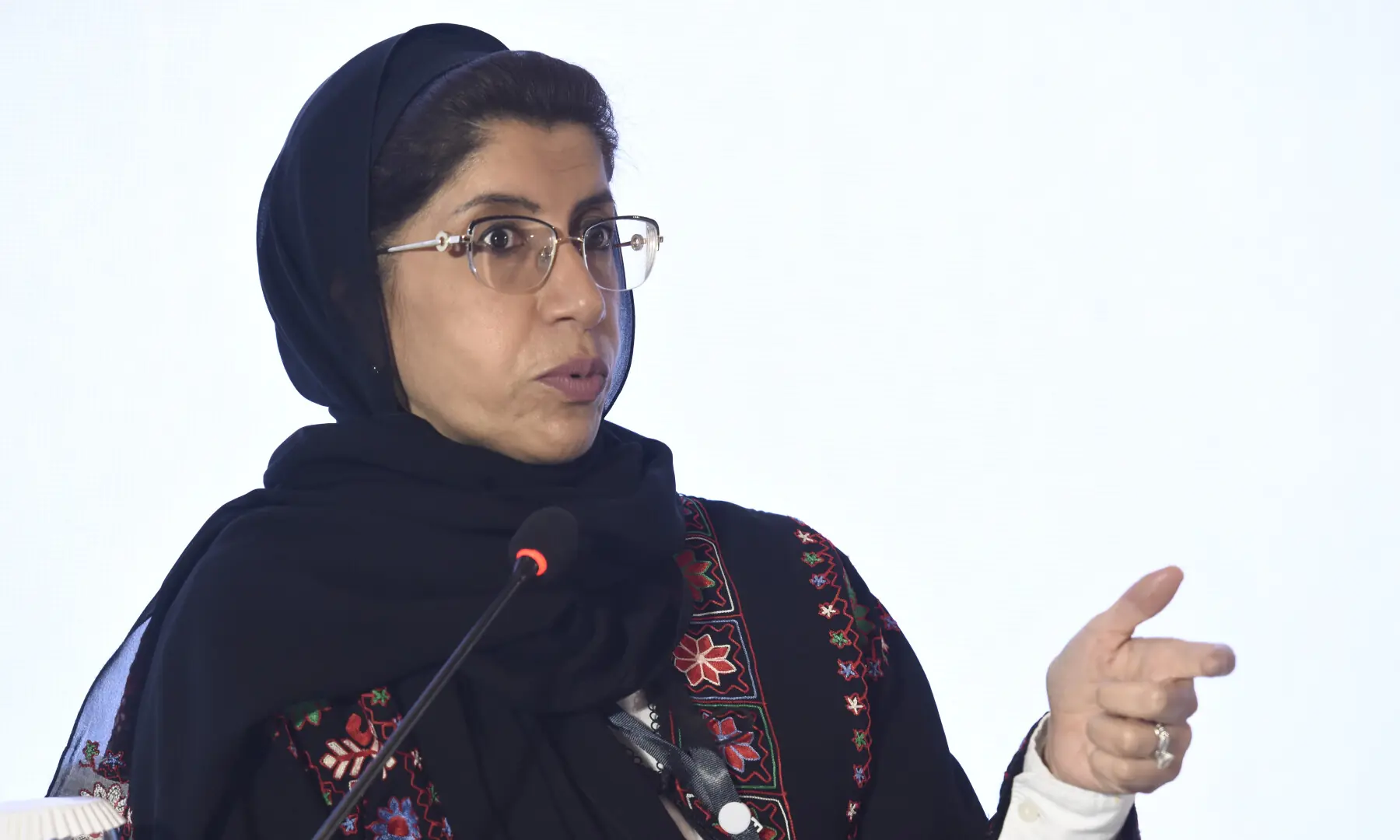
Seed Advisory Group Principal Seema A. Khan, speaking about the private sector’s role, explained the concept of “patient capital”.
She highlighted that it was the Global South where opportunities were present.
“Patient capital is in negotiations with the people who are around this group to discuss where the intersection is between money, policy and national development, because that’s the most profitable,” she said.
“One of the areas that I have found to create the most resilience is the evolution of sovereign capital to look at all of these resources as ways to create banks that then benefit the people,” Khan further said.
10:38am — Romina Alam notes ‘nothing happened’ on Loss and Damage Fund
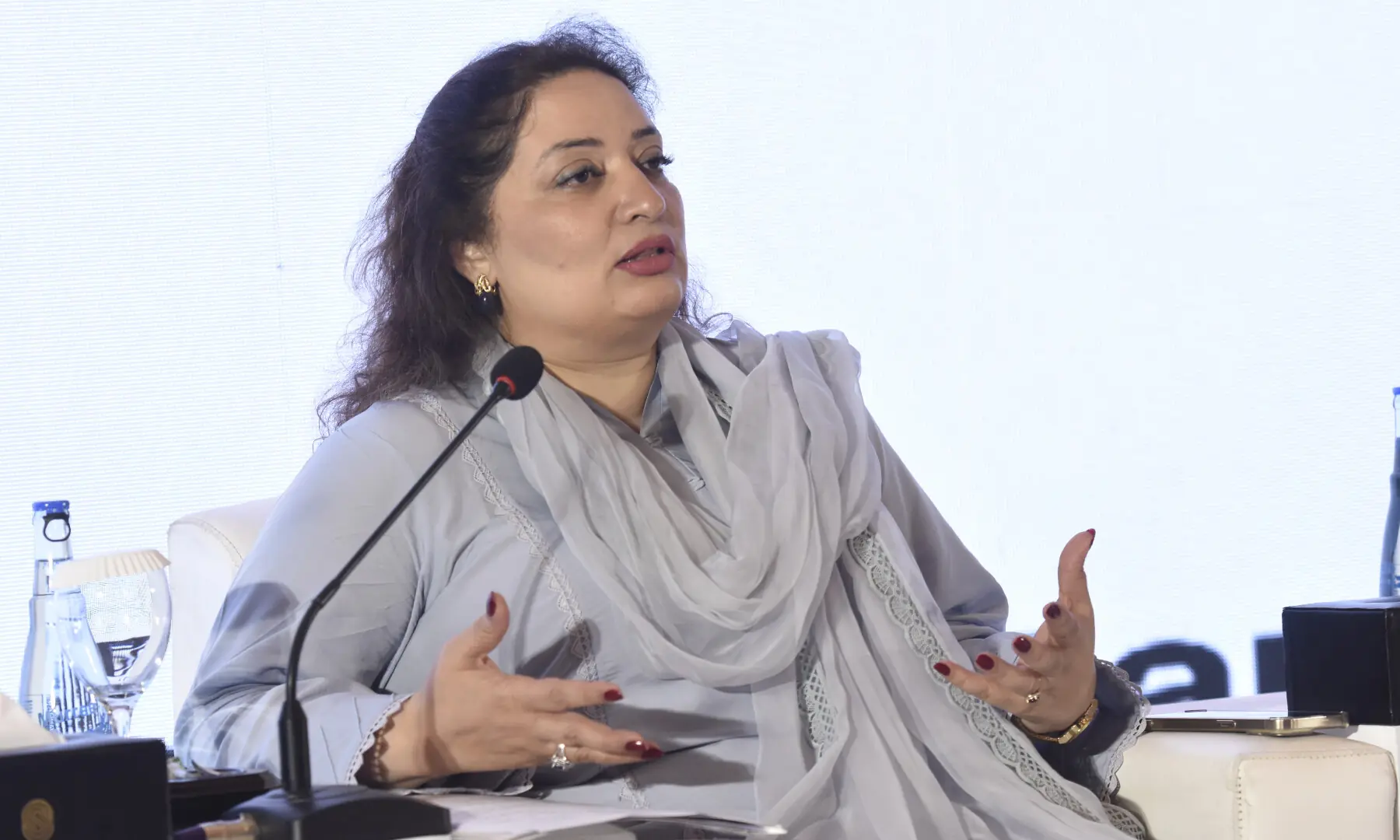
“What about the Loss and Damage Fund? Where is that fund? Nothing happened,” Romina Khurshid Alam pointed out.
She called for everyone to work together, including the development and private sectors.
“Justice is right now very much important, but more important is survival,” the PM’s coordinator said.
“No blame, no shame. Just take action,” she said.
10:31am — PM’s coordinator highlights need for ‘regional solution’
Romina Khurshid Alam, coordinator to the Prime Minister on climate change, stressed the need for a “regional solution” rather than a global one, as every region had its different issues.
“This region is suffering. Our children are suffering. We are not in the state of crisis. We are in the state of war from climate change,” she said.
“The developing countries’ people are resilient nations. If you talk about Pakistan, we have proved in the floods that we are not looking for aid; we are looking for trade because this is not something we created.”
10:20am — Goal is to advance resilience in development: climate expert
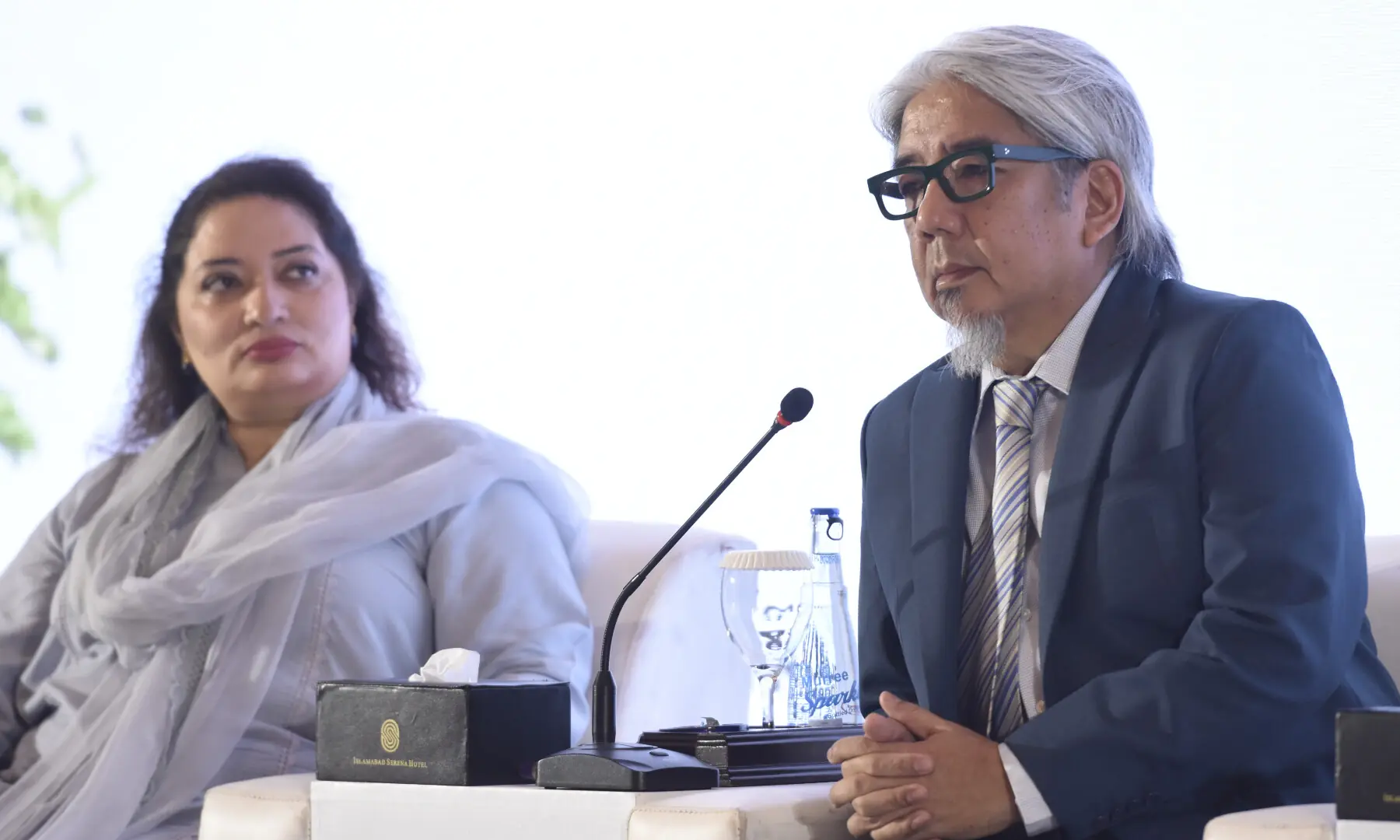
Renato Redentor Constantino, international policy adviser at Climate Vulnerable Forum, noted that many people think of climate change as an environmental issue but “we are in the middle of a development crisis”.
He stressed, “Our goal is not to reduce emissions, per se. Our goal is to advance resilience in development.”
10:08am – Expert highlights concept of ethical leverage
Dr Erum Sattar, a water law and policy expert, said, “Pakistan sits where the transboundary water-sharing is very, very complex. There is India in the East and the Kabul River.”
She said that Pakistan sat at the intersection of complexities that affected many nations. She also referred to the concept of ethical leverage.
“Pakistan can experiment at all of these scales,” she said.
10:06am – UN official says Pakistan’s experience not unique
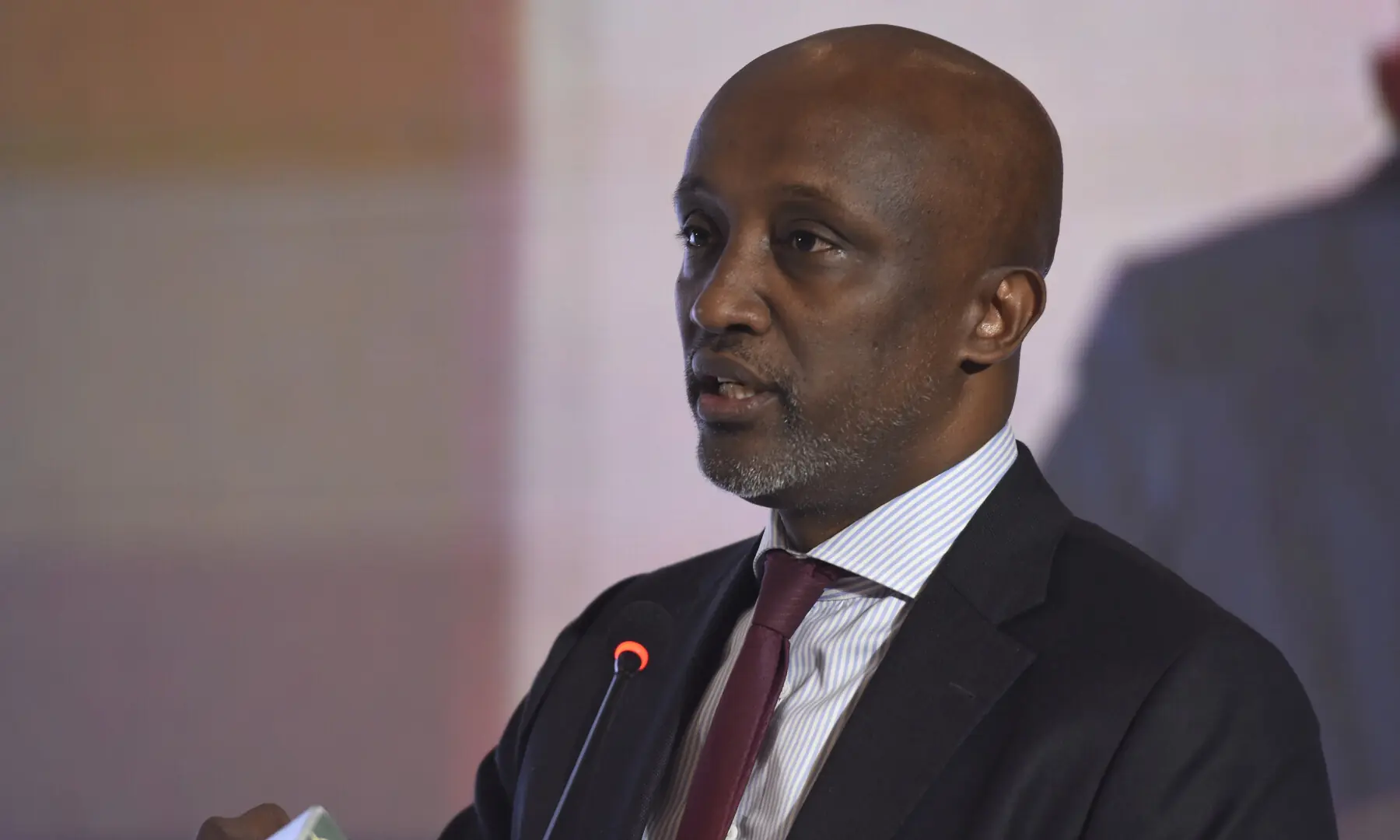
Mohamed Yahya, the UN Resident and Humanitarian Coordinator in Pakistan, said,” Pakistan’s reality is unmistakable; from floods to prolonged droughts to glacial melts. This experience is not unique to Pakistan. It reflects a reality across South Asia.”
He said that the panel’s discussion would be how South Asia can help itself, saying that regions had to work together.
10:00am – IFAD official says climate change shaping agriculture in Pakistan
Lamichhane said that climate change is already shaping agriculture in Pakistan. “There’s no denying it, we have to act on it. But this is also a chance to modernise and build resilience,” she said.
She went on to say that resilience was achievable when solutions were integrated, financed and designed for scale. She also said that partnership was a multiplier effect.
9:50am – IFAD official says climate ambition not constrained by ideas
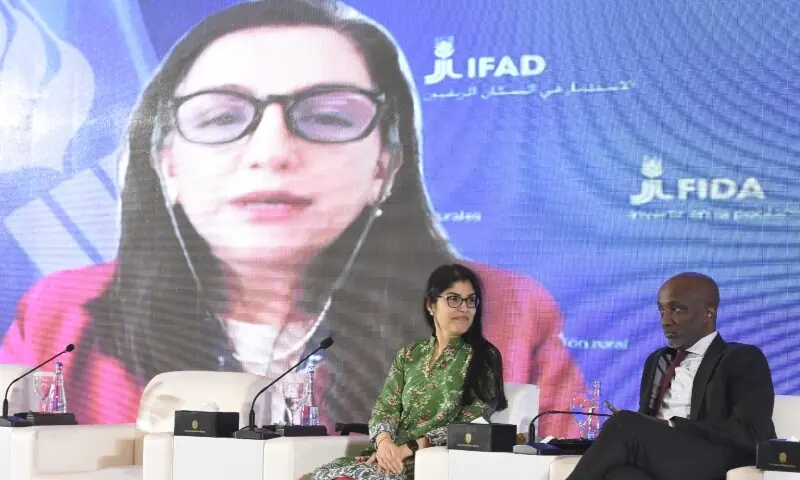
Lamichhane has said that the Asia Pacific is IFAD’s most dynamic and largest portfolio. She said that across the region, five things were given priority: climate resilience; technology and productivity; strong value chains and private sector engagement; inclusion of youth, women and indigenous communities; and a shaded approach that matches solutions to country context.
“Pakistan, facing high climate risk, sits at the intersection of these priorities. We cannot dissect climate from other priorities; it has to go hand in hand,” she said.
“Climate ambition is not constrained by ideas … it is constrained by finance and delibery systems,” she said.
9:50am – IFAD official says Pakistan on the frontline of climate change
Anupa Rimal Lamichhane — the International Fund for Agricultural Development lead for regional climate change — has said that Pakistan is on the frontline of climate change.
“Agriculture contributes 23pc to GDP,” she said. Agrifood systems and farmers are not just the victims but they are also a major part of the solution, she said.
“Yet, globally, only 0.8pc of climate financing reaches farmers,” she said.
9:50am – 7th session begins
The seventh session, titled ‘Collaboration of the Global South Towards Climate Action’ has now begun.
9:46am – 2nd day of climate conference begins
The second day of the Breathe Pakistan International Climate Change Conference has begun in Islamabad.

