



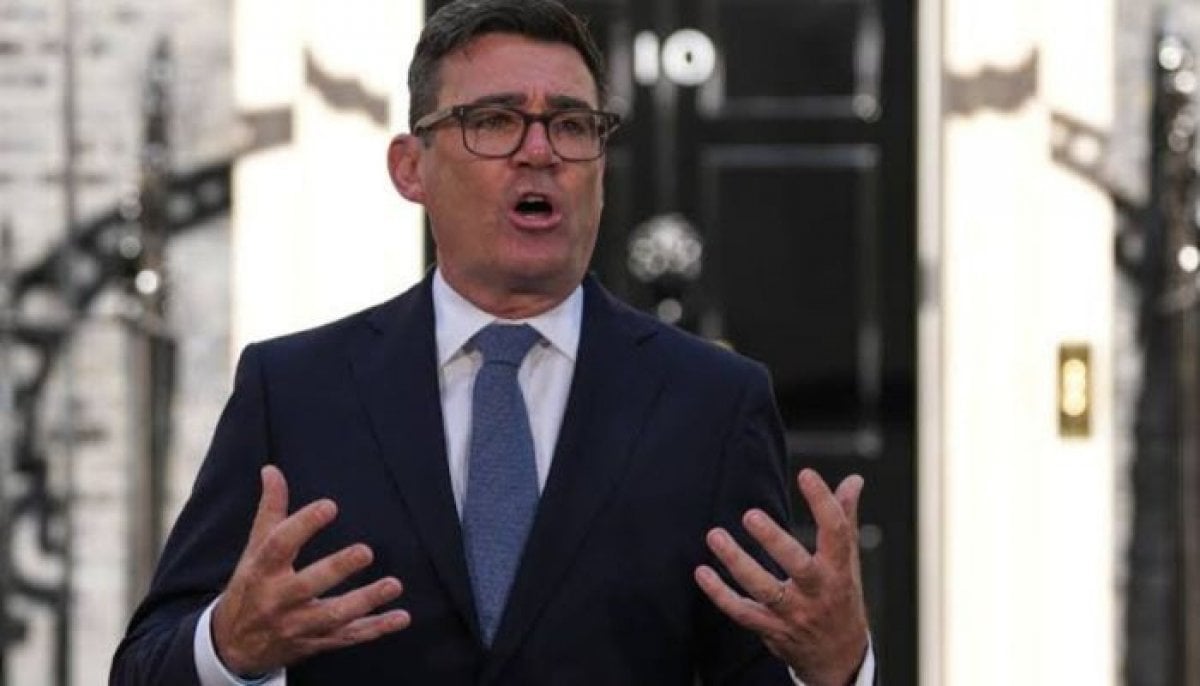


UK’s newly appointed Prime Minister Andy Burnham has unveiled a major overhaul of the social care system, making worker reform and workforce retention a central pillar of his new government’s agenda.
Burnham said on Wednesday he would stick to the Labour Party manifesto promises on tax as he seeks to reform the funding of adult social care in England.
The governing Labour Party’s 2024 manifesto ruled out increasing the rates of income tax, national insurance or value-added tax.
“There is a manifesto. There are commitments there on tax and I will stick to those commitments,” Burnham said.

Speaking at a care home, Burnham criticized decades of political inaction on social care as a “shameful” dereliction of duty and highlighted that an estimated two million adults in England currently live with unmet care needs.

New plan for social-care workers:
Andy Burnham’s new proposal aim to fundamentally transform pay, professional training, and working conditions across the working sector.
To combat the severe recruitment and retention crisis, the package guarantees structured opportunities for training and career progression, aiming to turn social care into a long-term, sustainable career choice rather than a stepping stone to better-paid industries.
Burnham framed the social care overhaul as an essential mission not just for older and disabled people, but as a critical lifeline to relieve the immense pressures facing the National Health Service NHS.
In addition, he announced plans for a nationwide public consultation, described as a “Big Conversation on Care,” to gather views from the public, care providers, and workers before introducing more comprehensive reforms.
The goal is to create a fairer social care system that improves access to services, eases the financial burden on families, and works more effectively alongside the NHS.
He said the government will review the sector’s funding arrangements and work with political parties and stakeholders to develop a sustainable long-term funding model.
The announcement forms part of a broader push by the administration to tackle systemic economic and social infrastructure challenges, following recent vocational education reforms designed to bridge technical skills gaps.

