




Project expected to double ADNOC’s export capacity via Fujairah, helping UAE move crude outside blocked Strait
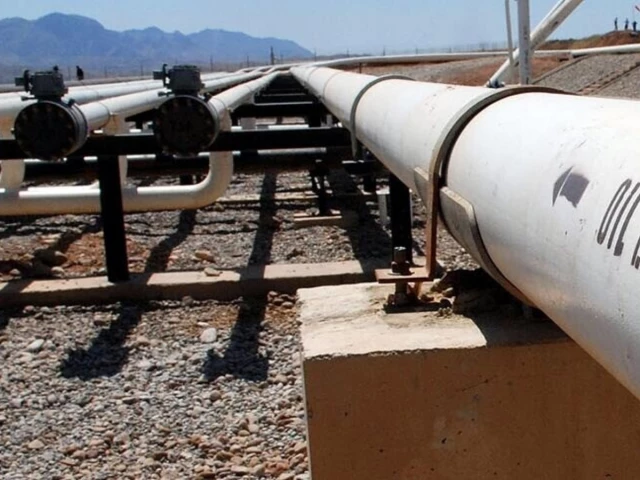
A picture of an oil pipeline. PHOTO: ANADOLU AGENCY
The UAE has completed nearly 50% of a second pipeline that will bypass the Strait of Hormuz, the head of Abu Dhabi National Oil Company (ADNOC) said on Wednesday, as Gulf producers seek alternative export routes amid the prolonged closure of the key waterway.
“Right now, too much of the world’s energy still moves through too few chokepoints,” ADNOC CEO Sultan Ahmed Al Jaber said in an interview at the Atlantic Council.

The new pipeline is expected to double ADNOC’s export capacity through Fujairah, a UAE port on the Gulf of Oman located beyond the Strait of Hormuz.

The construction of the project has been accelerated due to the Iran war, with the pipeline expected to become operational in 2027.
The UAE has already been redirecting some crude exports through an existing pipeline to Fujairah, which has a maximum capacity of 1.8 million barrels per day.
Al Jaber said Iran’s blockade of Hormuz, which began in early March, has triggered the most severe energy supply disruption in history.
Also Read: Pakistan steps up diplomatic bid to get US-Iran peace talks on track
More than 1 billion barrels of oil have been lost due to the strait’s closure, while nearly 100 million additional barrels are lost every week the waterway remains blocked, he said.
Even if the conflict ends immediately, it would take at least four months to restore oil flows to 80% of normal levels, Al Jaber said, adding that full normalisation would not be expected until the first or second quarter of 2027.
“This is not just an economic problem,” he said. “In fact, this sets a dangerous precedent once you accept that a single country can hold the world’s most important waterway hostage.”
The Strait of Hormuz, one of the world’s most critical energy chokepoints, has been blocked since Iran moved to restrict traffic after the US and Israel launched large-scale airstrikes against Iran on February 28.
US Energy Secretary Chris Wright said last week that Hormuz’s importance to global energy markets would likely decline after the war as Gulf countries build more infrastructure to bypass the strait.
“This is a card you can play once,” Wright said of Iran’s blockade. “There’ll be other routes for energy to get out of the Persian Gulf.”
“We will see a decreasing importance from the Strait of Hormuz, but not a decreasing importance of those nations’ energy production and energy supply,” he added.

