


War Diary Day 34: Trump’s speech deepens escalation pushing war into prolonged phase


The 34th day of the US-Israel war against Iran unfolded in the immediate aftermath of US President Donald Trump’s speech, which, rather than opening any pathway to de-escalation, appeared to have hardened positions across the conflict spectrum. The remarks triggered swift Iranian retaliation, and reinforced a trajectory of sustained attrition with an increasingly central focus on economic pressure and maritime control.
In his speech, Trump declared that US and Israeli objectives were nearing completion, while committing to another two to three weeks of intensified strikes and warning that Iran could be pushed “back to the Stone Age” if it failed to reopen the Strait of Hormuz. Trump’s formulation looked to be a combination of coercive diplomacy and continued military escalation, even as it left ambiguity over the precise end state being sought.
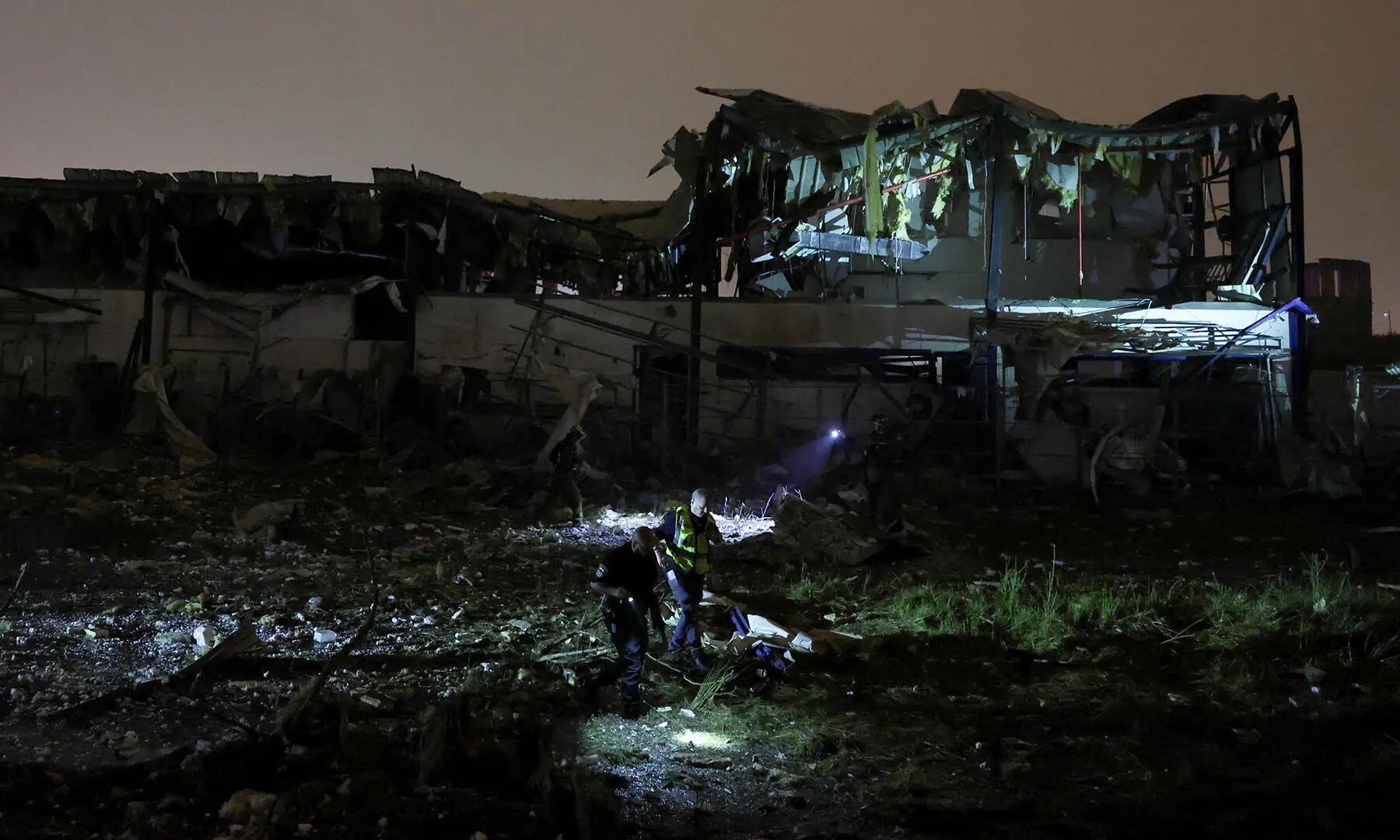
The immediate Iranian response underscored the limited deterrent effect of the speech as Iran’s Islamic Revolutionary Guard Corps launched one of its largest single-night barrages in recent weeks within minutes of the address, including ballistic missiles targeting central Israel, particularly the Tel Aviv metropolitan area, alongside drone and missile strikes on Gulf targets. The Iranian response underscored both its capability and intent to escalate in parallel domains.
Over the past 24 hours, kinetic operations have continued at a high tempo. US and Israeli forces conducted multiple strikes across Iran, including more than 20 reported hits in the greater Tehran area as well as additional operations in Isfahan and Mashhad, and targeted maritime infrastructure such as facilities on Qeshm Island.

Strikes on the B1 bridge in Karaj and the century-old Pasteur Institute, which is also being described as an icon of Iran’s healthcare system, have, meanwhile, emerged as symbolically significant hits on civilian infrastructure. The Pasteur Institute attack was the latest in the series of attacks undertaken by the Israeli/US alliance on the Iranian pharmaceutical industry and healthcare facilities.

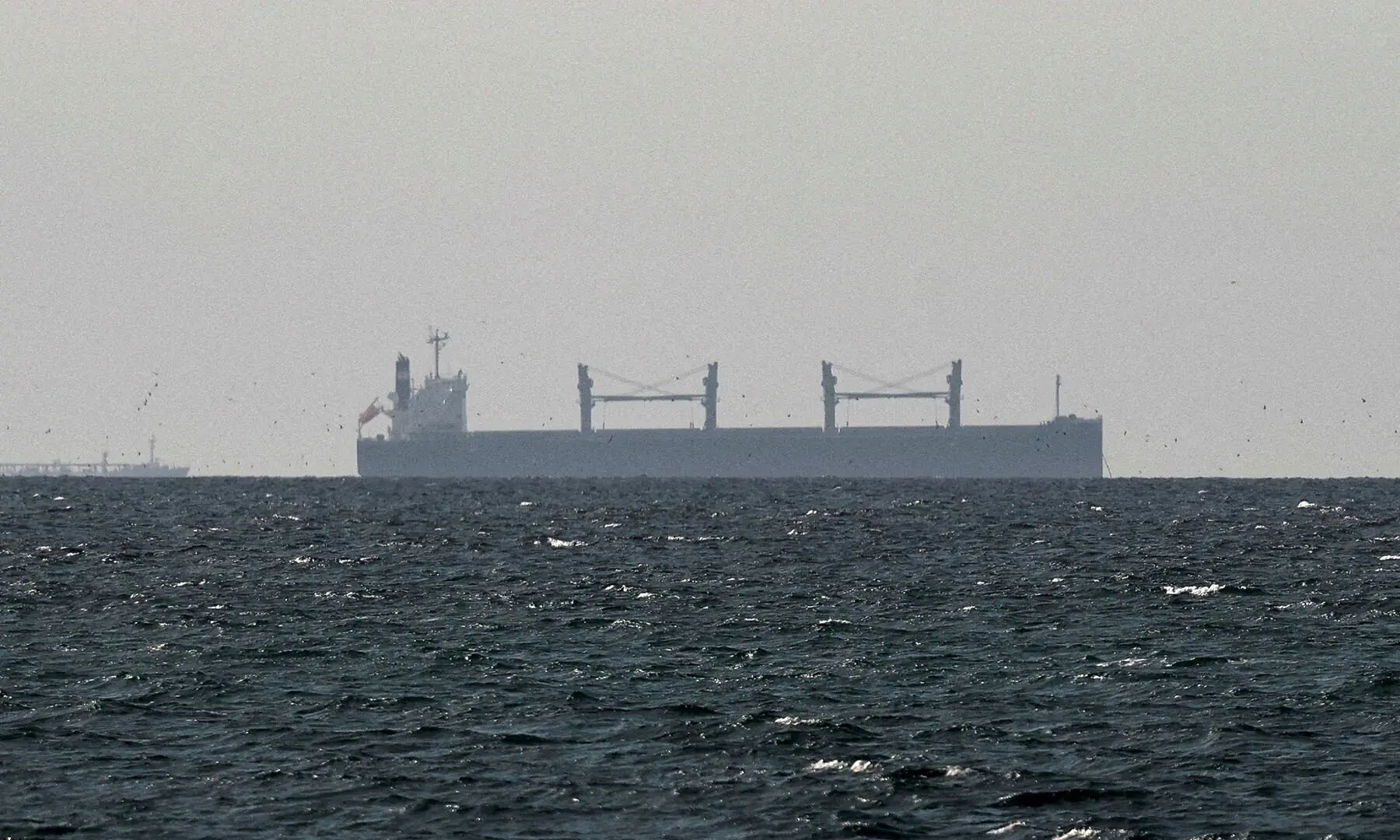
Iran, meanwhile, expanded the scope of its retaliatory campaign carrying out strikes against US and Israeli assets across the Gulf, including the destruction of early-warning radar systems in the United Arab Emirates, a hit on a tanker linked to Israel that was left burning, and attacks on US command facilities in Bahrain and Kuwait, alongside a drone swarm directed at USS Abraham Lincoln, which was subsequently reported to have re-positioned further into the Indian Ocean.
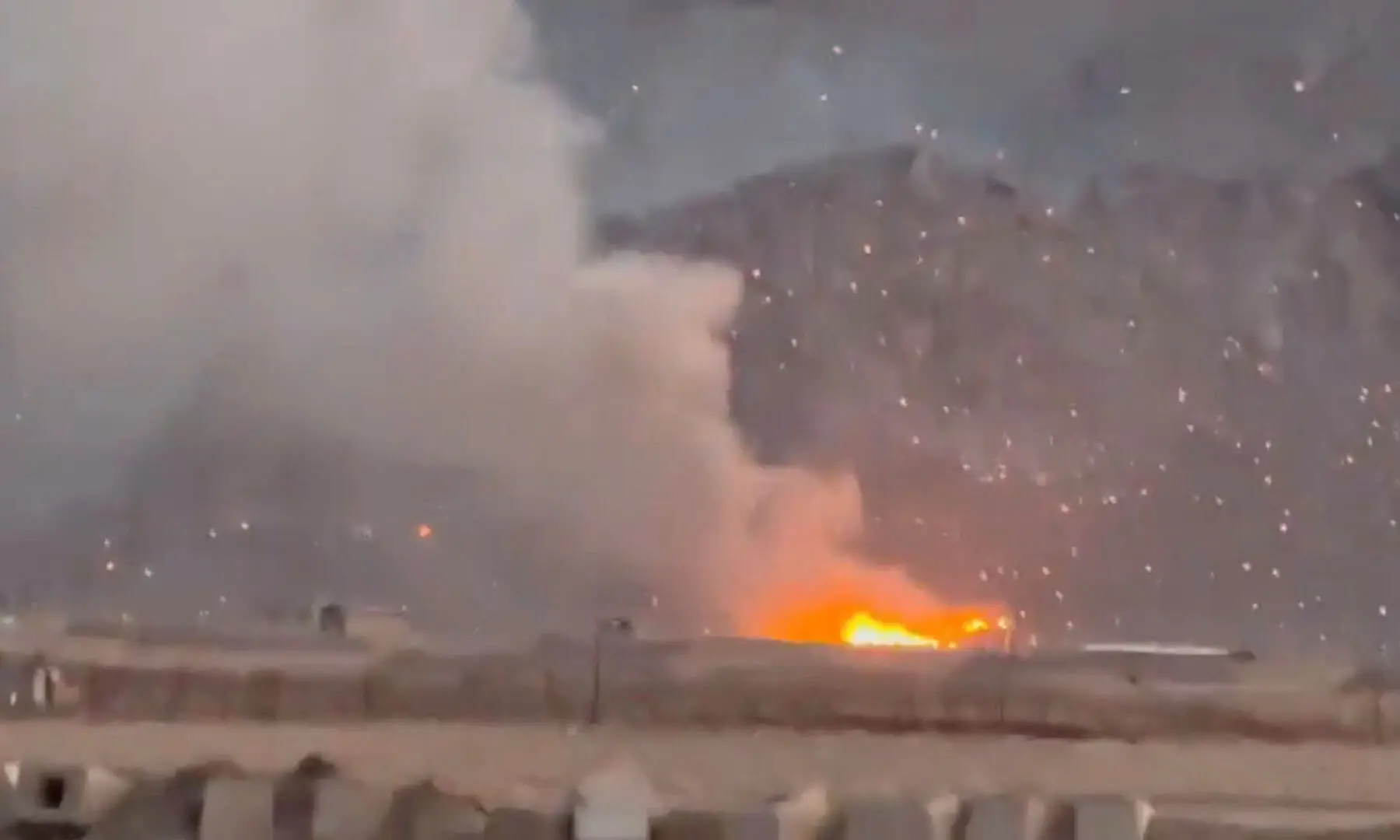
Proxy fronts also showed signs of qualitative escalation, where Hezbollah carried out its first use of longer-range Scud-type missiles from Lebanon targeting Israeli military installations, while the Houthis signalled their readiness to expand the maritime dimension of the conflict by potentially moving to close the Bab el-Mandab Strait if Gulf states increased their involvement.
Despite the intensity of operations, there were isolated indications of tactical adjustments, including the absence of US bomber sorties during a specific overnight window, which some Iranian sources interpreted as a sign of temporary restraint, though this remained unconfirmed by official channels and did not translate into any broader reduction in operational tempo.
On the political front, Iran’s leadership maintained a firm rejection of negotiations under current conditions, with senior figures reiterating demands for sanctions relief and compensation for war damages as preconditions for any talks, while official messaging framed the conflict as an existential defence and emphasised resilience in the face of attacks on civilian and scientific infrastructure.
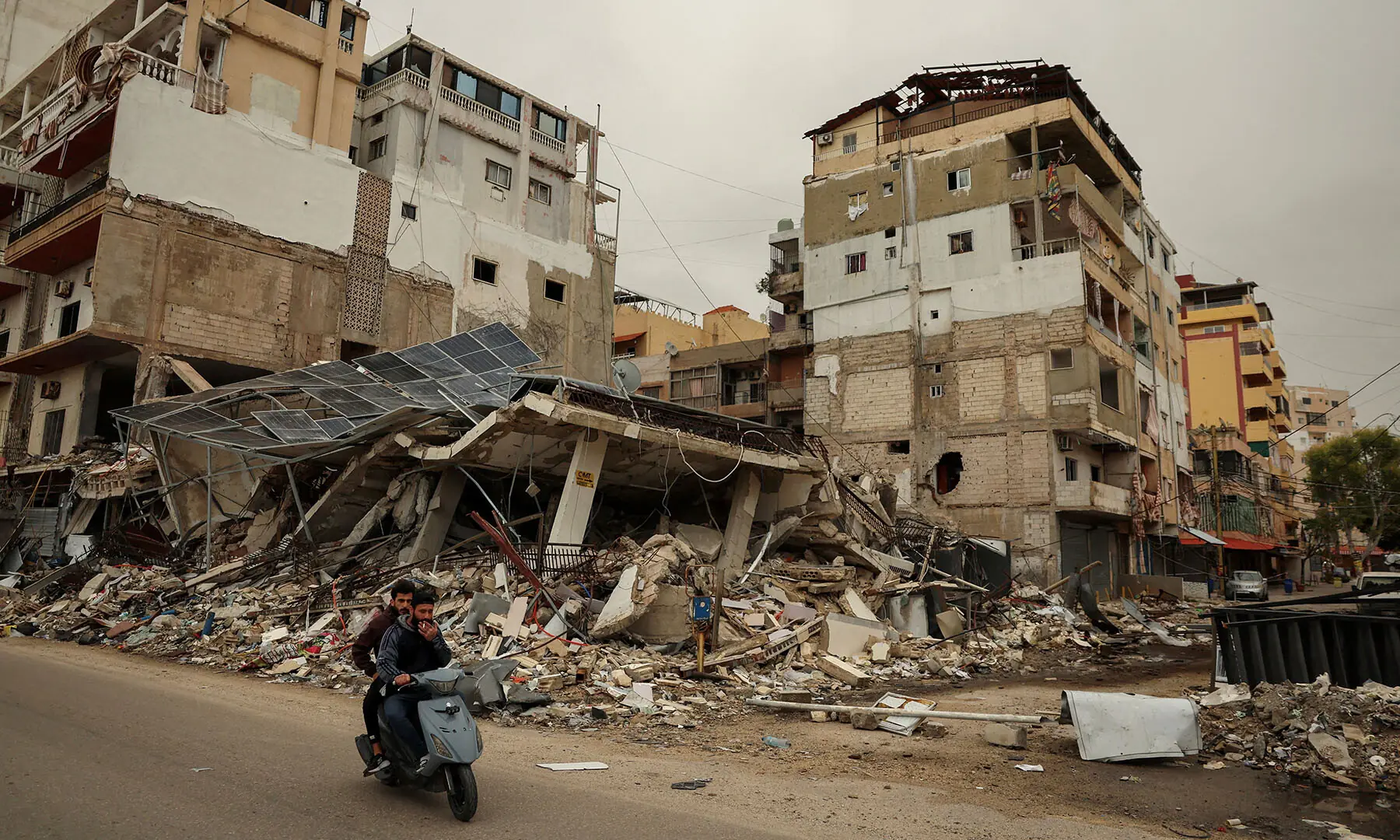
International reactions to Trump’s speech revealed growing divergence within the Western and allied camp. European leaders, including French President Emmanuel Macron and former German chancellor Olaf Scholz, publicly cautioned against the efficacy of military solutions and called for negotiated off-ramps. Simultaneously, a UK-led diplomatic initiative has begun to take shape involving European and other partners, notably excluding the United States, in an effort to explore alternative pathways to the reopening of the Strait of Hormuz.
At the same time, China attributed responsibility for the worsening crisis and disruption in the Strait of Hormuz to US and Israeli actions, urging an immediate ceasefire. Gulf states on their part were quietly reassessing their strategic posture amid concerns that the conflict, which is increasingly being seen as externally driven, was imposing disproportionate risks on their own economic and security environments.
The economic fallout of the war intensified further after Trump’s speech as oil prices rose sharply and maritime insurance costs escalated in view of the Strait of Hormuz remaining effectively contested, reinforcing the view that economic disruption, rather than purely military outcomes, is likely to be the decisive factor shaping the eventual course of the conflict.
Overall, the happenings of Day 34 confirmed that Trump’s speech entrenched a self-reinforcing escalation dynamic in which neither side sees immediate incentive to compromise. US and Israeli forces continued to apply sustained military pressure, while Iran retained sufficient asymmetric capability to impose costs and maintain strategic leverage, particularly through control over critical energy chokepoints.
With no credible diplomatic breakthrough in sight and parallel diplomatic efforts struggling to gain traction, the conflict is set to continue along its current path of high-intensity attrition. The immediate outlook is being shaped by the interplay between Iranian retaliation, allied military operations, and the mounting economic consequences that are increasingly defining the stakes of the war.
Header image: A camera screen shows US President Donald Trump speaking during a televised address on the conflict in the Middle East from the Cross Hall of the White House in Washington, DC on April 1. — AFP

