

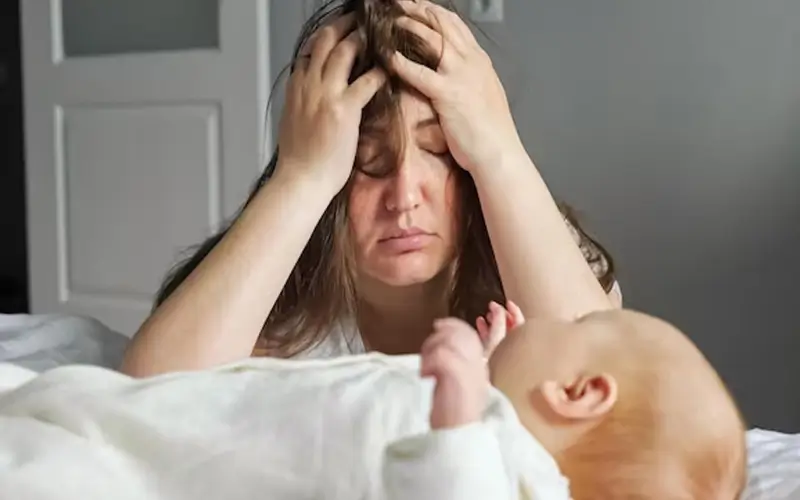

Postpartum depression (PPD) is a serious mental health condition that can affect women after childbirth. While many new mothers experience mood changes, sadness, or anxiety after giving birth, postpartum depression is more intense and lasts longer than the typical “baby blues.” It can affect a mother’s emotional well-being, her ability to care for her baby, and her daily life. Recognizing the signs early and seeking proper support is important for recovery.
Common Symptoms
Women experiencing postpartum depression may feel persistent sadness, hopelessness, or emotional numbness. Other symptoms can include frequent crying, irritability, severe fatigue, difficulty sleeping, and loss of interest in activities they once enjoyed. Some mothers may also have trouble bonding with their baby or may feel overwhelmed by daily responsibilities. In severe cases, women may experience thoughts of harming themselves or their baby, which requires immediate medical attention.
Causes and Risk Factors

Several factors can increase the risk of postpartum depression. Hormonal changes after childbirth can affect brain chemistry and mood. Lack of sleep, physical recovery from delivery, and the demands of caring for a newborn can also contribute. Women who have a history of depression, anxiety, or previous postpartum depression may be at higher risk. Other factors such as lack of social support, financial stress, and relationship problems can also play a role.

Treatment and Support
Postpartum depression is treatable, and many women recover with proper care. Treatment may include counseling or therapy, where mothers can talk about their feelings and learn coping strategies. In some cases, doctors may prescribe antidepressant medications that are safe for breastfeeding mothers. Support from family members, friends, and healthcare professionals is also very important during recovery.
Importance of Seeking Help
Many women hesitate to talk about postpartum depression because they feel ashamed or fear being judged. However, it is important to understand that postpartum depression is a medical condition, not a personal failure. Early diagnosis and treatment can help mothers recover faster and improve their overall well-being. With the right support and care, most women can overcome postpartum depression and enjoy a healthy relationship with their child.