
PUBLISHED
March 08, 2026
KARACHI:
Operation Epic Fury kicked off like a bolt from the blue on the last Saturday of February, with US and Israeli bombs raining down on Iran. And there was Donald Trump, trotting out the same old script: Iran is evil. Iran kills its own people. The regime backs militias that create carnage everywhere. He recycled the greatest hits —“Death to America,” the killing of protesters, the usual chorus. Then came the leap: Iran, he claimed, is quietly rebuilding its nuclear program, developing missiles that “could soon reach the American homeland.” On that, the evidence was considerably quieter or even missing. But Trump’s objectives, as laid out, were sweeping.

Just hours before, Oman’s foreign minister had announced “significant progress” in nuclear talks between the United States and Iran, adding that the next round would take place on March 6. That was the date that US President Donald Trump gave Tehran to reach a “meaningful deal.” Of the many questions that come to mind in the aftermath of the attack on Iran—perhaps the most vexing is why the US president decided to launch this attack now.

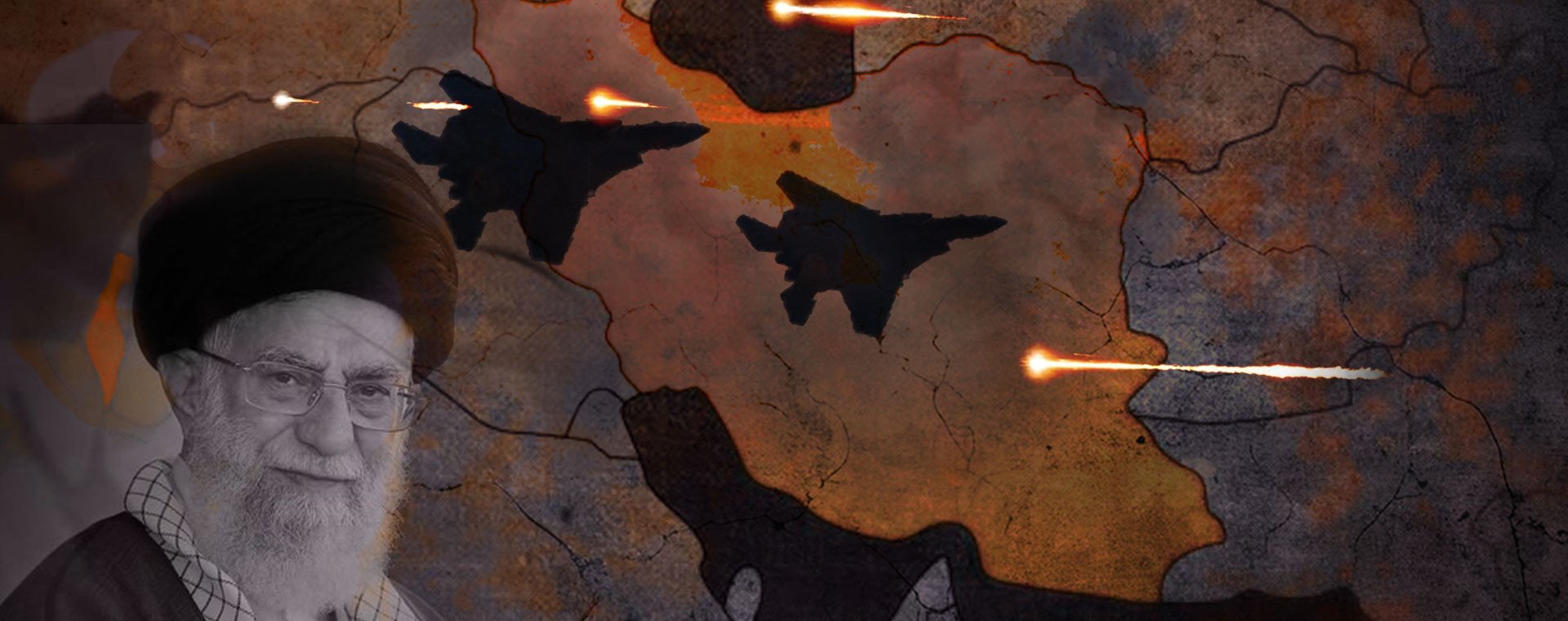
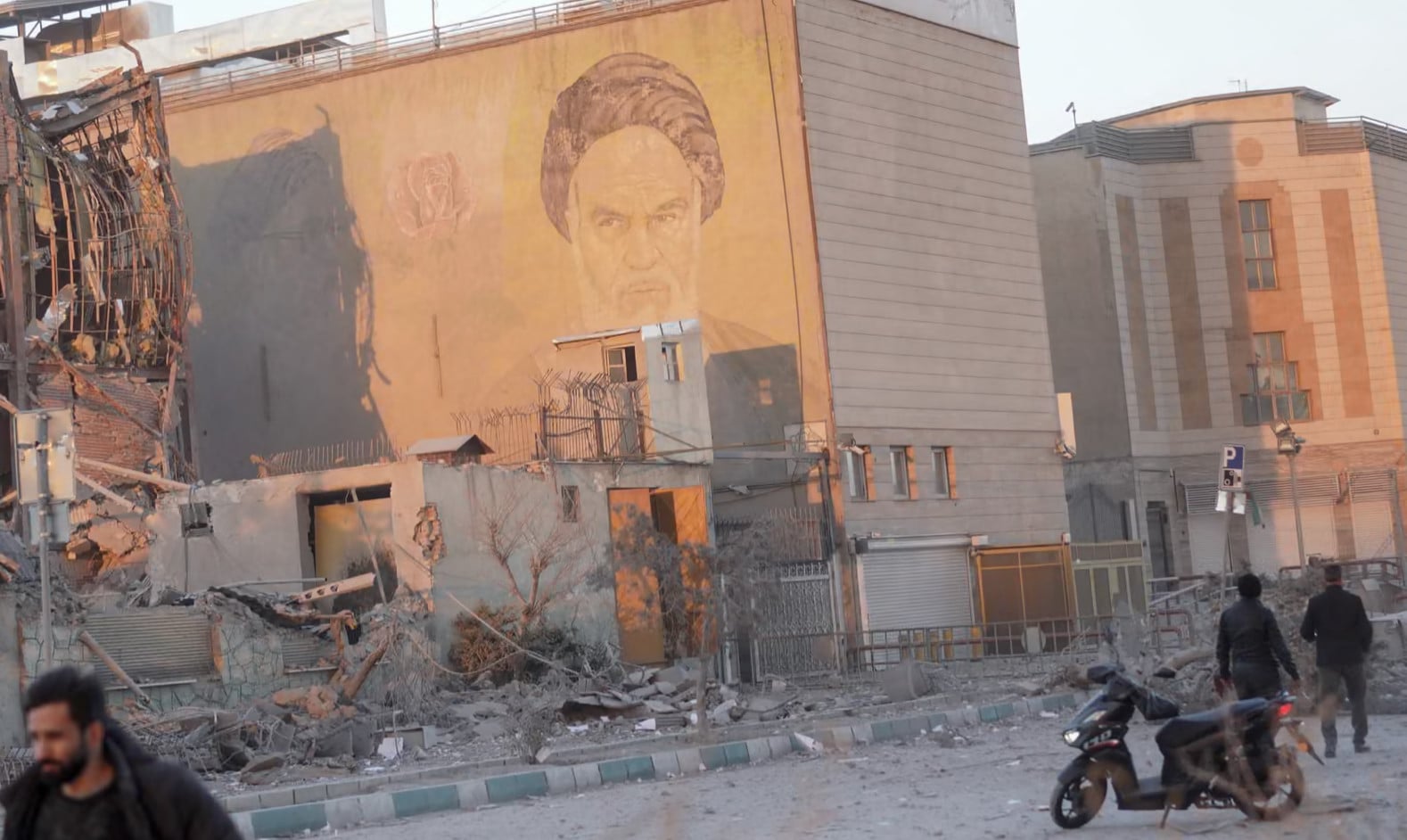
One line of thought is that Ayatollah Ali Khamenei, Iran’s supreme leader, who was killed during the initial strikes, may have appeared vulnerable following mass anti-government protests earlier. That made the White House believe that the timing was perfect for some intervention. In his eight-minute address as the strikes began, Trump seemed more focused on regime change than nuclear proliferation—especially when he urged the Iranian people to “take over your government,” cautioning them that this might be their last chance.
However, the visible impact of the protest should not have been confused with the regime’s fragility. The Islamic Republic, experts warn, is “not just a personal regime with religious backing” but a system that has invested decades in planning for succession plans and its survival.

Another theory, in what has become a global guessing game, is that Trump—who insisted wars wouldn’t happen on his watch and pledged to end the Ukraine war the day after reelection—has simply developed a taste for military adventurism or misadventures — which, honestly, may well be the case. “What we did in Venezuela, I think, is the perfect—the perfect scenario,” Trump told the New York Times in a brief interview, offering no clear plan for what comes next in Tehran. According to one analyst, the president’s foreign policy is hardly what voters signed up for when they fell for the “America First” agenda. In fact, it is, increasingly, detached from public opinion. In the first poll of Americans on the recent US-Israeli strikes, Reuters reported that only one in four respondents approved of the strikes on Iran—strikes that have plunged the Middle East into deeper chaos. Nearly half of those polled, including one in four Republicans, believe President Trump is too willing to use military force.
During a six-minute phone interview with the New York Times, the US president said he expected the war to continue for four to five more weeks if necessary. In 2003, then–Defense Secretary Donald Rumsfeld offered a similarly optimistic timeline for the Iraq War—a war launched on the pretext of nonexistent weapons of mass destruction and the goal of unseating Saddam Hussein. History, as they say, doesn’t always repeat itself—but it often rhymes.
What worries experts watching this conflict unfold the most is that the war may put more time on the clock of an Iranian regime that would have collapsed under the weight of rising tide of public opinion that was against them since the protests were crushed. But then, it does not seem from the various interviews and press events that the Trump administration considered any factors before launching the military assault. Much of that has been evident in the way the White House has shifted its primary reasons for attacking Iran – from striking down the nuclear threat, which the president claimed would have reached the US, to regime change for the people of Iran.
His Secretary of Defense — the man who now runs the Department of War and steers a conflict that risks destabilising the global economy, not just the Middle East — had other things to say. At a press conference, Hegseth went on to claim the US strikes on Iran are not a ‘regime change war,’ contradicting his boss, who has openly pushed for regime change and even encouraged the Iranian people to ‘seize control of your destiny.’
Meanwhile, as the administration’s credibility gap keeps widening, the Military Religious Freedom Foundation (MRFF) reported that around 200 troops have complained about commanders invoking extremist Christian rhetoric — including references to biblical ‘end times’ — to justify the war in Iran. If that wasn’t enough, the president was recently seen in the Oval Office surrounded by evangelical leaders, praying over him and seeking divine guidance, which, in the absence of any actual strategy, may make a certain kind of sense.
In Washington, US lawmakers who attended administration briefings are growing increasingly skeptical — both about the reasons for going to war and the plan to end it. Senator Elizabeth Warren was the most blunt. In a video message posted on X, she said: “It is so much worse than you thought. You are right to be worried. The Trump Administration has no plan in Iran. This illegal war is based on lies and it was launched without any imminent threat to our nation.” Around the world, that concern is shared by experts.
“When Washington and Israel stretch the concept of imminence to mean potential or future danger, they weaken the already fragile norm against unilateral war and invite other powers to adopt the same reasoning,” cautioned Ashok Swain, professor of peace and conflict at Sweden’s Uppsala University. “If this interpretation becomes normalized, rival states will also claim intelligence-based justifications for striking first,” he added.
The long-term consequence, he said, is a steady erosion of international law—where the rules governing war apply selectively to weaker states while powerful actors act without restraint. Preventive warfare and targeted killing, he warned, risk becoming routine instruments of global politics.
Regime change narrative
This is not the first time the world has been told that a nation requires regime change. Long before Iran, the US used the same excuse in Iraq—and walked away with trillions of taxpayer dollars wasted. In Afghanistan, the regime was handed back to the Taliban, perhaps more vicious than the ones who first relinquished power. Decades earlier, in Chile, an elected leader, Salvador Allende, was unseated to install a ruthless dictator, Augusto Pinochet, who butchered thousands.
Washington’s idea of regime change, then, is synonymous with failure. It has nothing to do with helping the people those regimes were oppressing. If it did, the Taliban would not have been allowed to reclaim Kabul. If it did, Allende would not have been replaced by a man whose name is now shorthand for state terror.
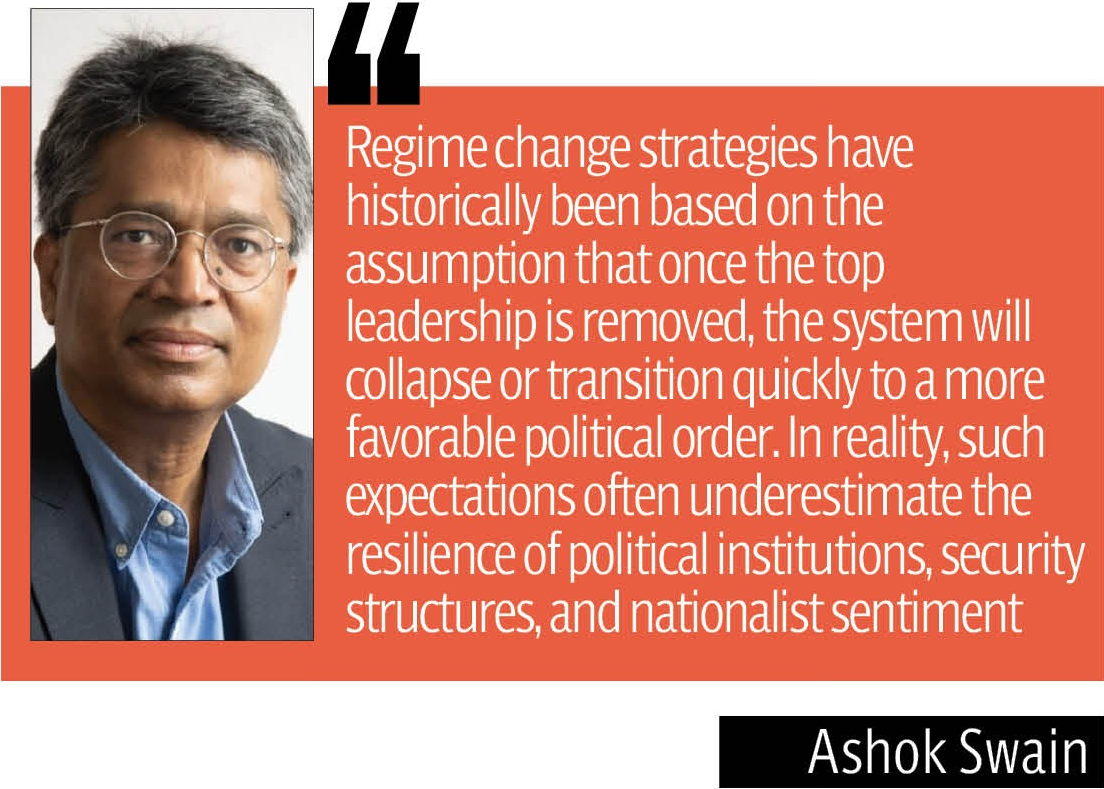
Describing regime change as a recurring failure of American policy, Swain said: “Regime change strategies have historically been based on the assumption that once the top leadership is removed, the system will collapse or transition quickly to a more favorable political order. In reality, such expectations often underestimate the resilience of political institutions, security structures, and nationalist sentiment.”
The assumption, he added, that regime change would be easy—whether after the capture of Maduro or the killing of Iran’s supreme leader—reflects a recurring pattern of overconfidence in the external engineering of domestic politics.
“In Iran’s case, the removal of the supreme leader creates uncertainty but not necessarily collapse,” Swain said. “The state still possesses a powerful security apparatus, ideological networks, and bureaucratic continuity that can sustain the regime for a considerable period, even in the absence of its most visible leader.” Historically, he said, decapitation strategies sometimes produce short-term disruption but often generate a rally-around-the-flag effect that strengthens regime cohesion. “Rather than weakening the regime, such strikes can empower the most hardline factions within the state—those who argue that compromise with external powers is futile,” Swain explained. “In this sense, the removal of a leader can consolidate the authority of the remaining elite and deepen domestic resistance to foreign intervention,” he added.
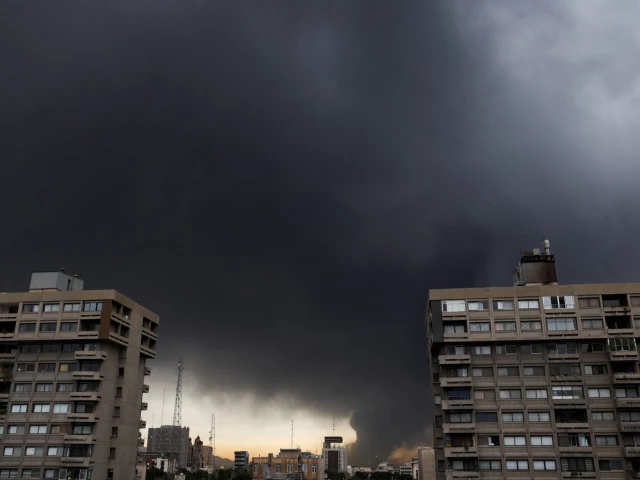
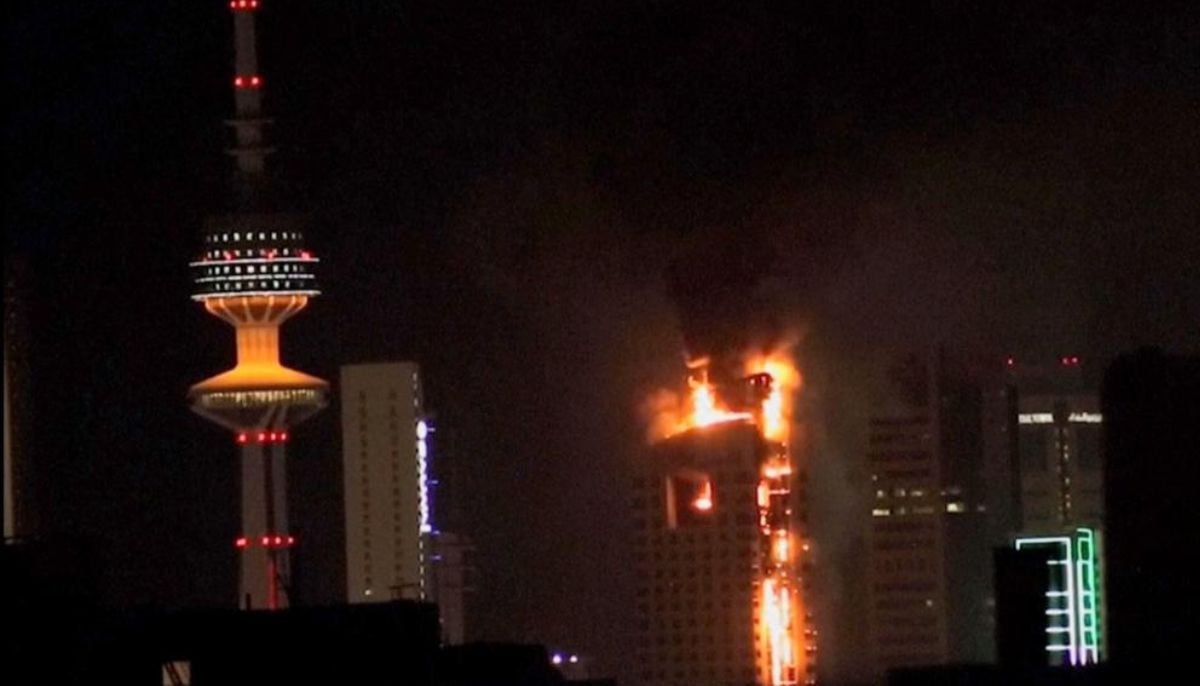
So far, Iran’s actions suggest the regime is nowhere near collapse. Since the war began and its supreme leader was killed, Tehran has struck back—hard. It has attacked nearly every neighbouring country in retaliation and hit targets deep inside Israel. In Kuwait, reports suggest Iranian forces even downed US jets, in addition to causing damage to several regional bases.
On the justification provided for this war, it appears the administration is drawing lines in the sand and they keep changing. Swain described the reasons put forward by Israel and the United States as inconsistent and strategically dubious—more a moving target than a single, clearly demonstrated threat. Arguments, he said, have ranged from preventing nuclear weapons development to countering missile threats, dismantling Iran’s navy, and limiting support for regional proxies.
“While each of these concerns may have strategic relevance, presenting them simultaneously makes the rationale appear expansive and shifting. When the case for war includes such a wide range of objectives, it raises serious doubts about whether the operation is primarily defensive or part of a broader effort to reshape the regional balance of power,” he concluded.
 Double standards
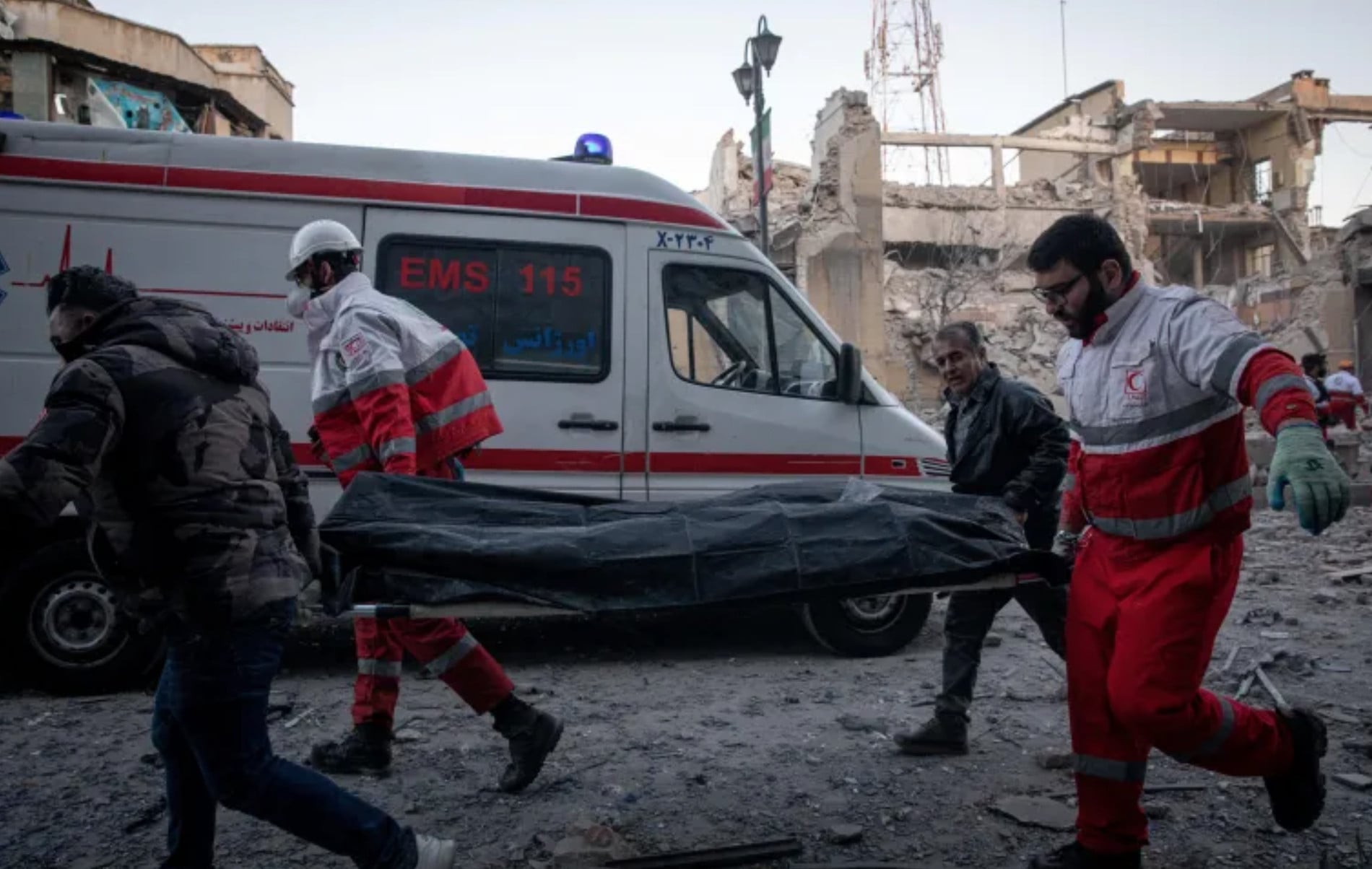
The rules-based order was meant to provide legal protections to all nations, or at least that was the assumption. Until it wasn’t. Gaza has been annihilated by Israel. The violations are so pronounced, so undeniable, that they cannot be unseen. But no nation appears willing to stop Benjamin Netanyahu. Then came German Chancellor Friedrich Merz, quick to declare that Iran is not protected by international law, arguing that such rules lose their meaning when countries repeatedly violate them. His statement only confirms what many already suspected: international rules are meant to protect friends—those inside the club. When violations come from within, as they do in Israel’s war on Gaza, the rules simply fall silent.
In the months leading up to February’s conflict, the International Atomic Energy Agency (IAEA) confirmed that Iran posed no imminent nuclear threat. And not long before that, Trump himself—fresh off Operation Midnight Hammer in June—declared that the United States had effectively eliminated Iran’s nuclear capabilities. History, it seems, has a familiar rhyme. Iraq, too, had no weapons of mass destruction. It was attacked and invaded regardless.
For Professor Ben Saul, the United Nations Special Rapporteur on human rights while countering terrorism, the current moment reveals an uncomfortable truth about the international legal order. It is not, he argued, that the rules themselves are lacking—but that those who profess to uphold them so often pick and choose when they apply.
“There is a lot of selectivity and double standards and hypocrisy amongst the many countries, Western or Global South or others, who talk of international law and multilateralism,” Saul observed. “But when push comes to shove, they don’t practice what they preach, and their commitments are really weak.”
Nowhere is this inconsistency more visible than in the response to the war on Iran. Saul pointed out that a ‘mixed bag’ among nations: some, like Spain, Switzerland, France, and the UK, have shown leadership in questioning the legality of the strikes. Others have been less willing to take a stand. The Sydney-based legal scholar said Australia has backed the US to the hilt while dodging the question of whether the war is legal.
For Saul, this evasion is part of a broader pattern.“This hypocrisy is unfortunately everywhere,” he said. “It’s there on the Palestine issue, it’s there on Ukraine.” He pointed to Western states that vigorously support Ukraine against Russian aggression while turning a blind eye to violations committed by allies.
The consequences, Saul cautioned, are not merely rhetorical. “This inconsistency on international law is everywhere, and that ultimately not only weakens the system but undermines what the system is for—to ensure peace, security, and protect human rights, including the right to life from unnecessary violence.”
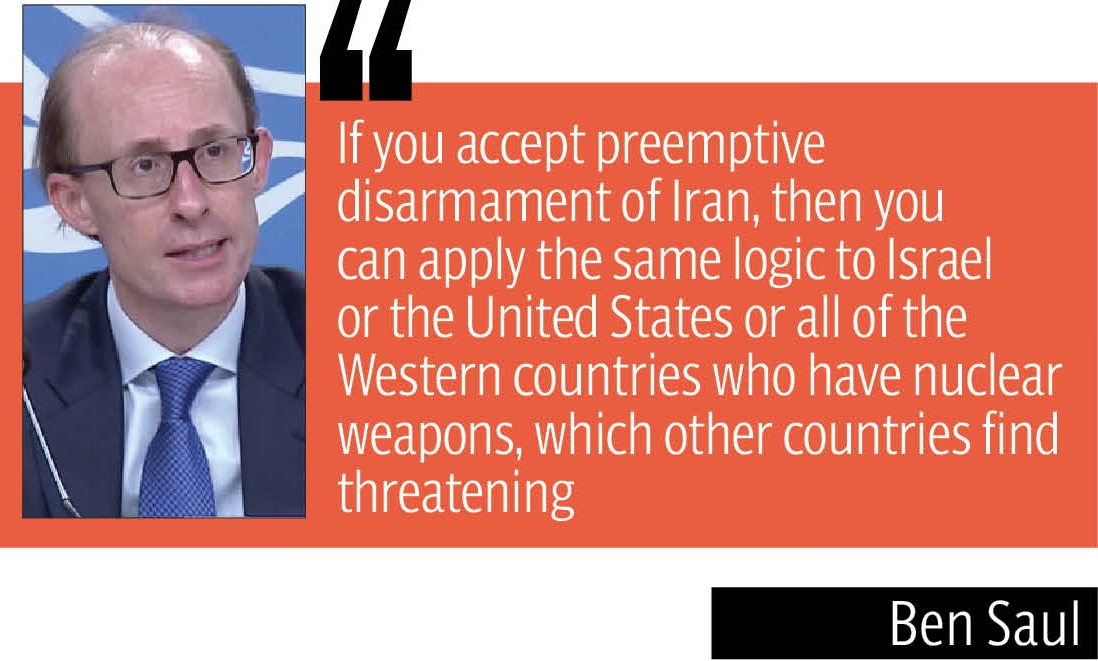
“If you accept preemptive disarmament of Iran, then you can apply the same logic to Israel or the United States or all of the Western countries who have nuclear weapons, which other countries find threatening,” he added.
Offering a pointed hypothetical, he said: “If you think there should be a wider right to use force against terrorist groups in other countries and the countries that sponsor them, then you would have to support a right to attack the United States for sponsoring Kurdish armed groups to attack Iran this week.” The point about law, he said, is it cuts both ways.
“Some of these states want their cake and to eat it too. They only want certain practices to apply in their favor but never against them.”
Nowhere is this double standard more glaring than in the treatment of Israel versus Russia. “There’s definitely a double standard there,” Saul stated flatly. “Definitely a much weaker enforcement of international law against Israel than against Russia,” he concluded.
Preemptive war and self-defence
International law is not a game of guesswork. But you wouldn’t know that from listening to Washington these days. As Ben Saul, a professor of International Law at the University of Sydney, puts it: “Preemptive war is clearly illegal under international law. There’s near unanimous opinion on this amongst international lawyers.” Why? Because states themselves have never accepted it. And states, after all, are the ones who make international law.
The problem, Saul explained, is obvious: “That kind of subjective right of states to determine when they think somebody else poses a threat that needs to be preemptively attacked—it is just so discretionary and prone to abuse in a world where lots of countries have adversaries with weapons they don’t like.”
Allow that door to open even a crack, he cautioned, and the consequences are predictable. “If you allow that kind of preemption or prevention, it just unnecessarily escalates, prematurely escalates violence, with all of the destructive consequences that involve.”
When asked what does the law permit? Saul was precise: “Under international law, it’s very clear: you can use force in self-defence if an armed attack is occurring, or if one is imminent. And imminent means that it’s about to occur because you’ve got some good evidence that an attack is planned and is about to be launched.” By that standard, the case against Iran collapses before it begins.
“Nobody says Iran currently has nuclear weapons,” Saul noted. “There’s no evidence that Iran has given an order to use weapons it doesn’t have against Israel or the US. So none of the conditions for self-defence against an imminent attack have been met.”
If there are genuine threats, the law provides other tools. “They should be dealt with through peaceful processes—negotiations, weapons inspections, referral to the Security Council, diplomacy, sanctions if that’s necessary to change behavior.”
Force, he insisted, is the last resort, not the first. “Force should only be reserved for those most exceptional cases where an attack is happening, and therefore it’s absolutely necessary to respond with force to stop that attack.” None of which describes what is happening in Iran.
 Killing of leaders
When a war kicks off, you have to ask: how will this be fought? And who, exactly, is fair game? Saul didn’t mince words: “This attack is illegal aggression, and therefore every killing involved in that attack is a violation of the human right to life under international human rights law.”
Once a conflict is underway, a different set of rules applies. International humanitarian law permits the targeting of those taking a “direct part in the hostilities.” In an interstate war, Saul explained, “that typically means the armed forces, any other security or intelligence apparatus that’s also involved in the fighting.”
When asked where does that leave Iran’s supreme leader? Saul said: “The question with the Ayatollah is whether he was taking a direct part in the hostilities, because he’s a member of the armed forces of Iran.” But membership alone is not enough. “Just being a ceremonial or titular commander is not enough. You’ve got to be a kind of operational commander. Is he giving instructions to Iran’s military to attack the US or not? And if he is, then he could conceivably be targeted under humanitarian law.”
But even when the law permits targeting a head of government, states have historically shown restraint. Saul noted that there is ‘quite a history in practice of political and moral restraint.’ Why? “Often because they want to preserve a leader on the other side with whom they can negotiate a ceasefire, a peace agreement, an end to the conflict, a surrender. Or for political reasons, you might want to keep government structures and authority intact,” he explained.
The US and Israel, in this instance, chose otherwise. “Here, the US and Israel have not shown that kind of restraint and have killed the leader.”
The consequences, Saul argued, extend far beyond Iran. “It certainly destabilizes international relations and undermines trust between governments if countries are no longer respecting those very, very basic ground rules of behavior between states.”
This is not the first time, either. Saul pointed to Venezuela: “Another armed aggression, illegal under international law, abducting the head of state, not recognizing his immunity from foreign criminal jurisdiction by charging him in a US court.”
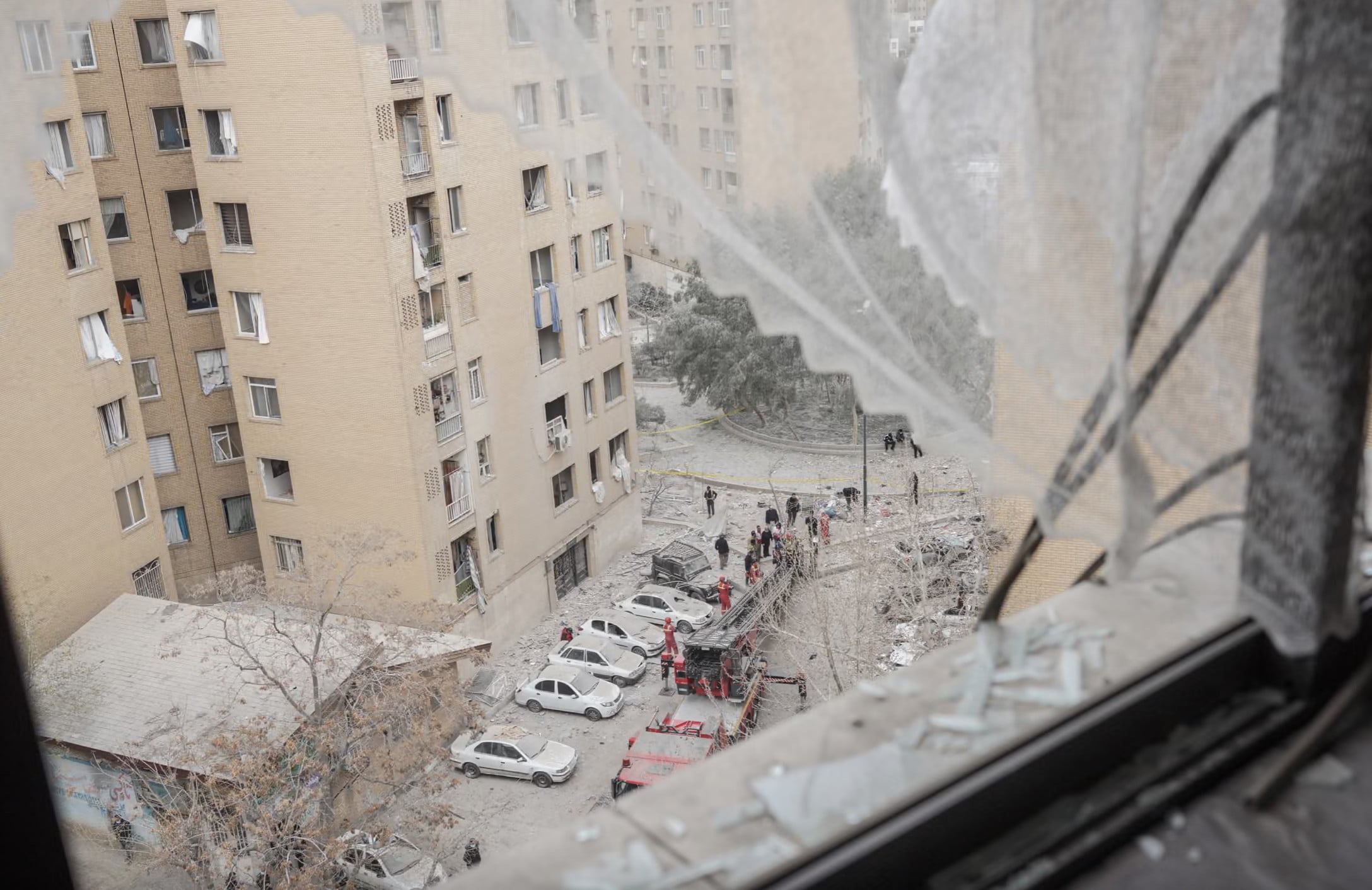 View from the US
In the US, Storer Rowley has watched decades of American foreign policy unfold—as a foreign correspondent in the Middle East, a White House reporter, and national editor for the Chicago Tribune. What he witnesses now, has a strange familiarity. “I think that it’s been Trump’s pattern to do things impulsively and often without a clear reason,” Rowley told the Express Tribune. Take the way this war was announced. No Oval Office address. No briefing. Just a social media post, then off to a fundraiser. Looking back, even George W. Bush managed that better. “It’s disturbing to me that he did it and sent a social media post to announce it to the American people, and then went to a fundraiser that night, ” Rowley said, his contempt barely concealed.
The justifications have been just as chaotic, and Rowley ticked each of them during the interview: “Trump and his cabinet secretaries have been all over the map with different reasons. First, it was for regime change. And then it was to stop the nuclear development in Iran. Then it was more focused on the missiles and the Navy.” For anyone with a memory, the echoes are deafening.
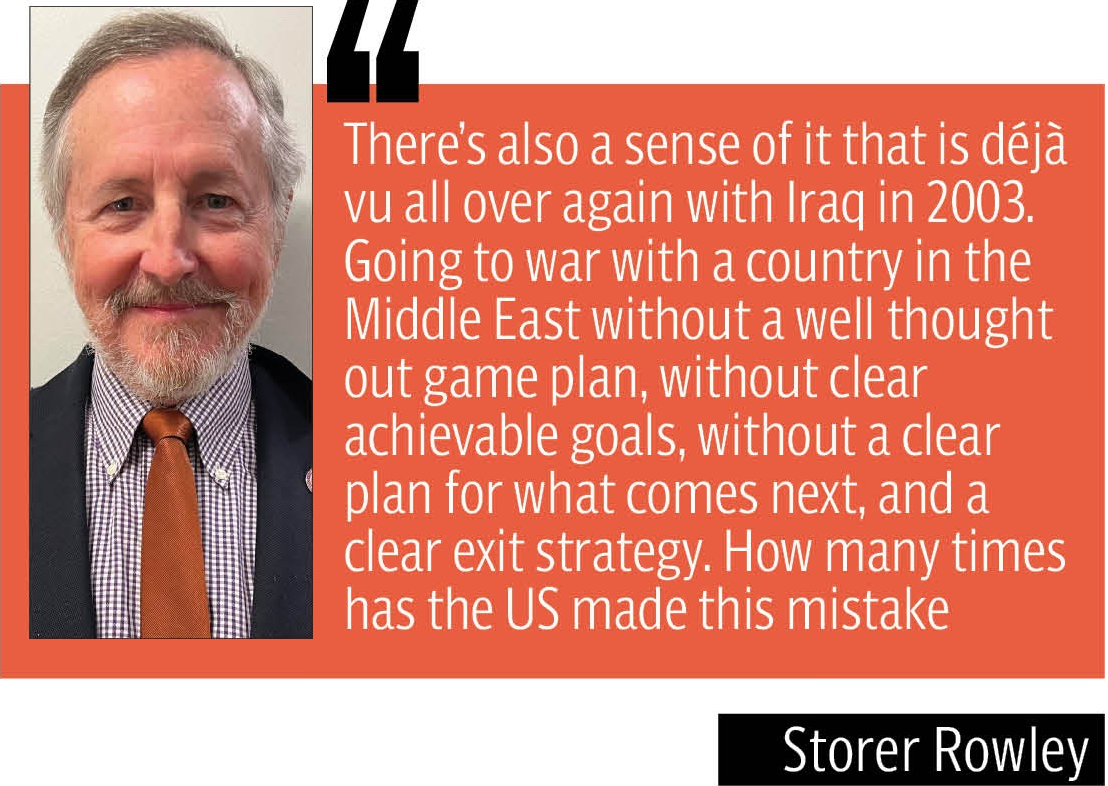
“There’s also a sense of it that is déjà vu all over again with Iraq in 2003,” Rowley noted. “Going to war with a country in the Middle East without a well thought out game plan, without clear achievable goals, without a clear plan for what comes next, and a clear exit strategy. How many times has the US made this mistake?”
Then there is the matter of the peace president. The man who promised to end wars, not start them. “This was the peace president,” Rowley quiped. “He promised that others would go to war, but he wouldn’t. He would get the US out of foreign entanglements, far away wars, and he would never start a war. And he was elected by many of his faithful MAGA supporters for that reason. And a lot of them are in disbelief that he has started a new Middle East war.”
Rowley has covered enough conflicts to forecast what comes next. “When you do something like this, it is inevitable you open a Pandora’s box of violence and destruction. It’s not a quick easy war where you go in and pull out quickly. You set off a chain of events, a tinderbox, a Pandora’s box, whatever analogy you want.”
On the killing of Iran’s supreme leader, Rowley was measured but blunt. “It is not a bad thing in some ways, in many ways, that he’s gone because he did so much damage to his country and to the world. But when you do something like this, you set off a whole other chain of events that anybody who’s paid attention to the Middle East could have told you what happened.” The operation itself, he said, was avoidable. “This feels like a reckless, provocative, unnecessary, and a tragic attack that didn’t need to happen.”
Rowley, who has covered the middle east—particularly Israel, pointed to a longer history. Israel, he noted, has wanted this war for decades. “Since I covered Israel, Bibi Netanyahu, the prime minister of Israel, has been talking about the importance of attacking Iran and trying to convince US presidents to go along. And up until Trump, all presidents understood the implications of this kind of a move and chose not to do it.”
Trump, he suggested, is different—and not in a way that reflects well on the office. “He doesn’t know much about what goes on in the world, and he makes decisions recklessly without even understanding the consequences.”
“The broader project of American global leadership—flawed as it always was—is now in peril,” the former Chicago Tribune journalist warned. “While the US has made terrible mistakes over the years, in general, it helped establish and maintain a global world order based on law and based on international norms and agreements. And that is all at risk and under threat right now,” he added.
Then there is the nuclear question—and Trump’s own role in creating the very crisis he now claims to solve in Iran. “One of the first things Trump did in his administration the first time around was to cancel the Iran nuclear agreement that President Obama created. That was the most meaningful curb on nuclear weapons in Iran in history. And Trump for no good reason tore up that accord in 2018. So, by attacking Iran’s nuclear facilities now, I see him as cleaning up the mess that he created by abandoning the landmark agreement,” Rowley said.
“Tearing it up was an incredibly reckless and stupid thing to do. And the fact that Iran moved forward with another eight or nine years of enrichment and development of their nuclear program, a lot of that is on Donald Trump,” Rowley added. The damage to America’s standing in this entire process, he cautioned, will take a generation to repair.
“I think it’s going to take a long time for the United States to regain its global authority. It’s lost respect around the world. It is now viewed as an unreliable ally and a dangerous power,” Rowley said.
Let no one be confused, Rowley said, about who fired the first shot. He argued that the US and Israel started this war. “They preempted negotiations that were ongoing,” the Chicago-based journalist concluded.