

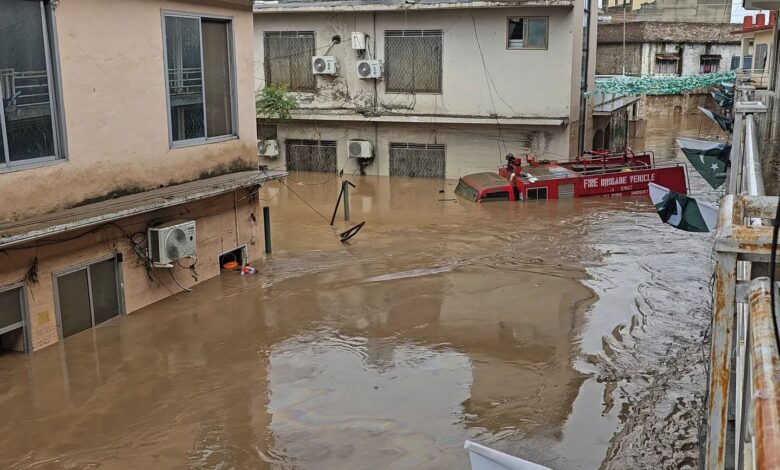
What’s happening here is grim—and real.
Since late June, Pakistan has been enduring some of its worst monsoon-induced flooding in years. As of August 18, officials report over 660 people have perished, with more than 360 deaths occurring in the last four days alone.People.com
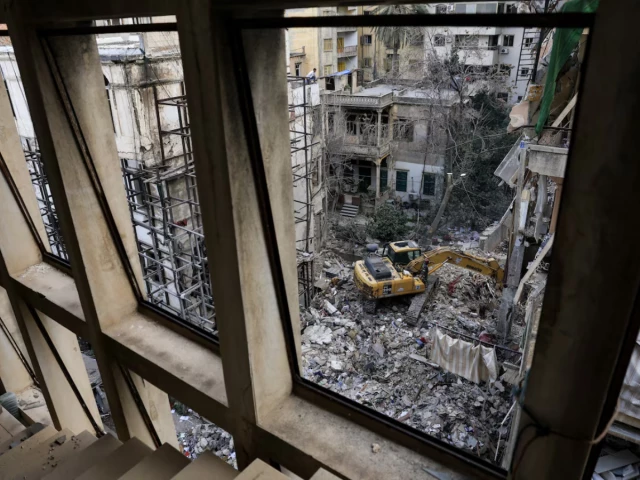
In the northwestern highlands—particularly Swat, Buner, Bajaur, Torghar, Mansehra, Shangla, and Battagram—the devastation is profound. Buner, in particular, stands out with 209 people still missing, a testament to the scale of this crisis. Survivors describe the scenes as catastrophic, “like a doomsday scenario.”People.com
What’s complicating things even more: another report pegs the nationwide death toll at at least 645, with over 150 people still missing, especially in Buner. Authorities cite flash floods hitting remote areas with little to no warning—many residents blamed outdated alert systems, like mosque loudspeakers, for failing them.AP News
Keeping the picture in focus—or even a bit blurry—rescue teams are racing against time. The National Disaster Management Authority, along with the army and disaster-response units, has resumed operations after halts. They’re clearing roads, rebuilding bridges, delivering food, medical aid, blankets, tents, generators, and pumps.Reuters

We’re not talking about a few rain-affected villages. Fatalities linked to monsoon fury across Pakistan have surged past 657, and that’s just the confirmed figures.ReutersMaharashtra Times

Here’s what that really means:
- The monsoon isn’t just a seasonal inconvenience—it’s a national emergency. Infrastructure, homes, and lives have been decimated across entire districts.
- Warning systems need an overhaul. People in remote villages didn’t get a heads-up. That needs fixing yesterday.
- Rescue efforts are underway, but persistent rain and bad terrain are slowing things down—even as authorities mobilize on multiple fronts.
In short: This isn’t a natural disaster in isolated pockets—this is a major national event. Relief is rolling out, but the road ahead is long.