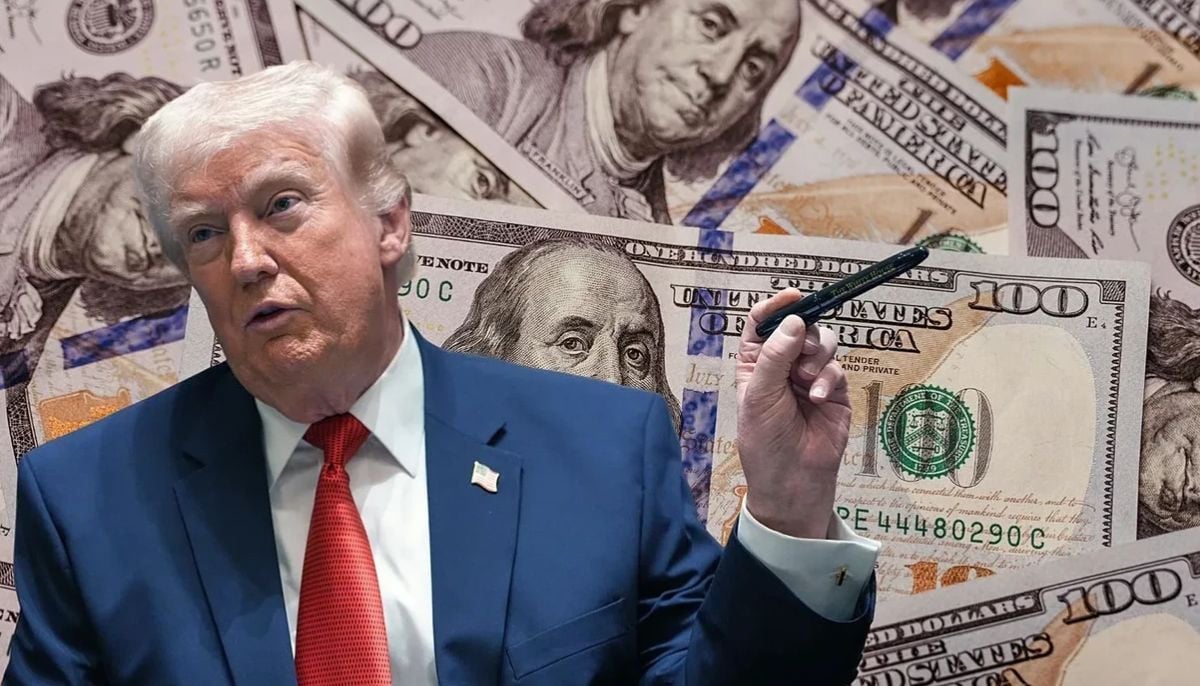

The upcoming change to US currency marks a significant departure from 165 years of tradition. New signatures will start in June, when Donald Trump’s signature will appear on $100 bills as part of the US 250th anniversary celebration.
However, the recent revelation marks a change that replaces the signature of the US Treasurer, a role that has signed banknotes since 1861. The Treasury Secretary’s signature will remain on the bills alongside the President’s. While Trump’s signature will be added an 1866 law prohibits the portraits of living current or former presidents from appearing on paper currency.
Most nations, including those using the Euro or British Pound, feature signatures from central bank leaders or finance officials rather than heads of state. By adding his signature, Trump joins a select group of sitting leaders-primarily from developing or transition economies-who have had their autographs or likenesses on national currency.
There are several historical examples where sitting leaders appeared on their country’s currency

Democratic Republic of Congo(Zaire)
Mobutu Sese Seko appeared on banknotes from 1971 to 1997. After his ousting, the new government physically punched out his face from existing notes until new currency could be printed.

Uganda
Both Idi Amin and Milton Obote featured their likenesses during their respective terms.
Kenya& Tanzania
Early post-independence leaders like Jomo Kenyatta, Daniel Arap Moi, and Julius Nyerere were featured on banknotes.

Indonesia
Presidents Sukarno and Suharto appeared on banknotes; Suharto’s image was removed following his 1998 resignation.
Philippines
Ferdinand Marcos Sr. appeared on notes during his presidency. Currently his son, President Ferinanad Marcos Jr., has his signature on the peso.
While supporters view it as a tribute to an economic revival and a way to commemorate a historic milestone, critics argue it risks politicizing a traditionally neutral national symbol.