
Pakistan’s Afghan policy — an endeavour spanning the more than forty years since the Soviet intervention in Afghanistan — of supporting a motley crew of local, Afghan and international jihadis in pursuance of its and Western allies’ strategic goals, has now come full circle.
The relationship between the two western neighbours stand ruptured and completely collapsed; the second such moment, perhaps, after the 1960s when the Afghans invaded Bajaur and Tirah in the Khyber tribal region.
Then, like now, border and transit trade between Pakistan and Afghanistan had remained suspended.
But this week’s escalation perhaps marks perhaps the first time since 1992 that the two countries have actually come to blows.

While Pakistan’s Afghan policy has seemingly entered a decisive phase, those weary of Islamabad’s handling of its western neighbour are still wondering whether there really is a long-term strategy

Such episodes occurred previously during the tenure of Dr Najibullah, Afghanistan’ People’s Democratic Party leader whose regime would occasionally fire Russian Scuds into Pakistan’s tribal regions.
Diplomatic failures
The current state of affairs, in the words of a senior Pakistani official, comes “after fully exhausting all diplomatic channels, including hundreds of meetings with the Afghan Taliban.”
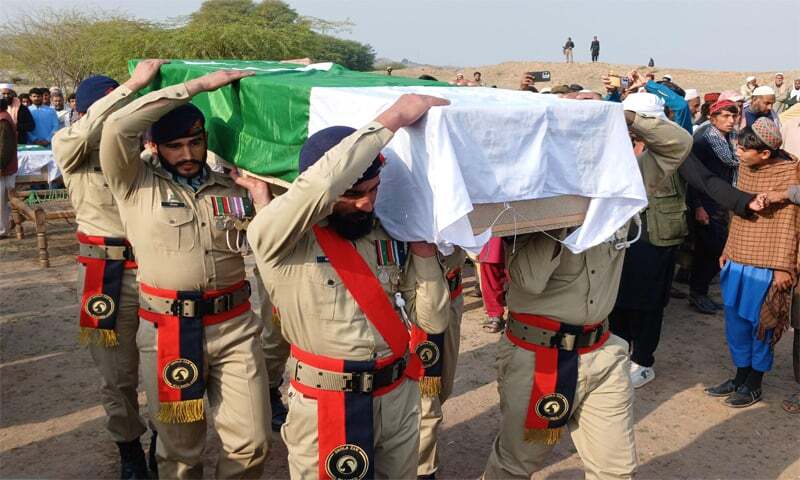
Islamabad, the official says, had already put the Afghan Taliban regime on notice, saying Pakistan is tired of lifting coffins and burying its dead because of terrorism originating from Afghanistan.
“The October 2025 strikes inside Afghanistan, targeting Tehreek-i-Taliban Pakistan (TTP) positions, should have made things clear to their Afghan patrons. They didn’t.”
Mediation by the Qataris and the Turks, following the October engagements, didn’t go well: Pakistan demanded written guarantees; the Afghan Taliban backed off from signing a document and confined themselves to verbal assurances.
The latest attempt came from the Saudis themselves. “It was a positive effort”, according to an official familiar with the efforts by Riyadh to bring about rapprochement between Islamabad and Kabul, but that too trailed off, predictably.
The Saudis had presented a draft of a possible agreement, the official said. The Afghan Taliban regime declined to put anything to paper, offering to provide verbal guarantees to rein in the outlawed TTP and other outfits operating from the Afghan soil.
The Saudis — like Pakistan, China and Uzbekistan — have their own respective lists of ‘individuals of interest’ in Afghanistan, according to the official.
“The problem with the Afghans is that they want to negotiate, but they don’t deliver. What is the point of talking when you don’t deliver?” the official asked.
While the ceasefire between Pakistan and Afghanistan remained largely intact last year, attacks by the TTP and other militant outfits registered a sharp uptick, putting renewed pressure on the already strained relationship between the two neighbours. The recent attacks on security forces triggered another round of response, which was to be expected. Strikes were carried out on what Pakistan insisted were TTP bases in the border region, while the Taliban regime claimed civilians had been targeted.
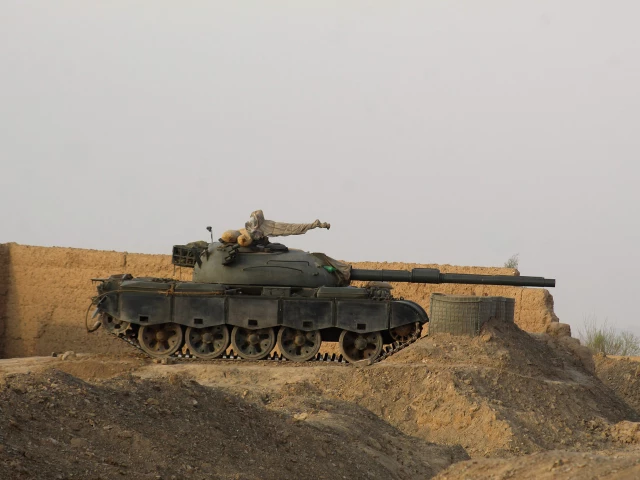
But what followed was rather unexpected. Pakistan watched as the Taliban regime amassed its forces in the border regions overnight. It was clear to Islamabad that, this time, it wouldn’t just small arms clashes and skirmishes.
Policy makers in Islamabad believe they have garnered moral support from the region and internationally, to defend themselves.
Much like the Taliban, who had publicly threatened to unleash a torrent of suicide bombers in retaliation to any Pakistani strikes, Islamabad made it clear it would target the regime’s military installations next, alongside those of the TTP and others.
Officials in Pakistan blame the Taliban regime for the escalation. “They upped the ante. We didn’t. We have lost close to 4,000 people. How much more restraint must one exercise?”
“This is not just escalation. This is escalation plus,” an official told Dawn.
Government officials don’t see an end to the current situation between the two sides any time soon.
Meanwhile, those dealing with the subject are now convinced that Kandahar — the spiritual headquarters of the Afghan Taliban — holds little sway when it comes to addressing the issue of TTP and other militant outfits.
Aides close to Hibatullah Akhundzada have reportedly conveyed to Pakistan that the Taliban supreme leader does not approve of the regime’s policy vis-à-vis the TTP and others.
While some figures within the Afghan regime see Pakistani militants as an increasing liability, it is the more powerful Haqqani-led cabal who could, if it wanted, deliver for the Pakistanis. Knowledgeable sources insist Islamabad is not seeking regime change in Kabul, but they are adamant that Pakistan is currently in no mood to back down. “We have crossed the Rubicon. Keep up the pressure and keep raising the cost until the regime there understands that their policy is counter-productive and non-sustainable.”
While Pakistan’s current Afghan policy has seemingly entered a decisive phase, many who are weary of Islamabad’s handling of its western neighbour still wonder whether there really is a long-term strategy.
There are also many who believe that Pakistan missed a trick working with the Ashraf Ghani-led administration, which in 2019 approved its National Security Paper, declaring the TTP a security threat to Afghanistan and jailed more than 2500 of them. “They understood. It was easy to deal with them”, said one source who experience dealing with the Ghani regime in the past.
But a combination of factors — including India’s growing influence and Ghani’s courting of pan-Pakhtun nationalism and larger strategic goals — led Islamabad to continue backing the Taliban.
“With 20/20 hindsight, backing Ghani’s administration would have been a good option. Pakistan fully backed him in his election. But this is in the past now. We are in a different situation, which requires a different approach. Now that the bullet has been fired, the level of pressure must not be reduced till the Taliban relent and give in.”
Published in Dawn, February 28th, 2026