
PAKISTAN’S diplomatic balancing act may not prevent it from being drawn into the escalating conflict, which has already sucked in Saudi Arabia and other Gulf nations. Iran, under attack by America and Israel, has targeted not only US military bases in the Gulf but also oil installations in the region. Tehran asserts that these bases are legitimate targets because they are used to launch attacks against it.
Although these countries have not yet directly responded to the Iranian strikes, they have effectively become a part of America’s war that does not seem to be ending soon. The widening conflict is not only threatening their security but also resulting in massive financial losses for them.
These countries are caught in a war not of their choosing. According to Western media reports, countries in the Gulf Cooperation Council, which includes Saudi Arabia, the UAE, Qatar, Kuwait, Oman and Bahrain, attempted to prevent the US from launching this war due to awareness of its implications. However, these nations, which host over a dozen military bases with more than 50,000 American troops, were unable to stop President Donald Trump’s war of choice. They also did not categorically denounce America’s aggressive actions against Iran or the killing of its leader.
The GCC countries have established special relations with the Trump administration and are committed to investing billions of dollars in the US. These nations, along with Israel, are also members of Trump’s controversial Board of Peace, formed under his personal leadership and established just weeks before the US-Israeli attack on Iran. It is believed that the BoP served as a cover for America’s imperialist ambitions. The attack on Iran placed these countries in a difficult position, as they are also bound in security pacts with the US.

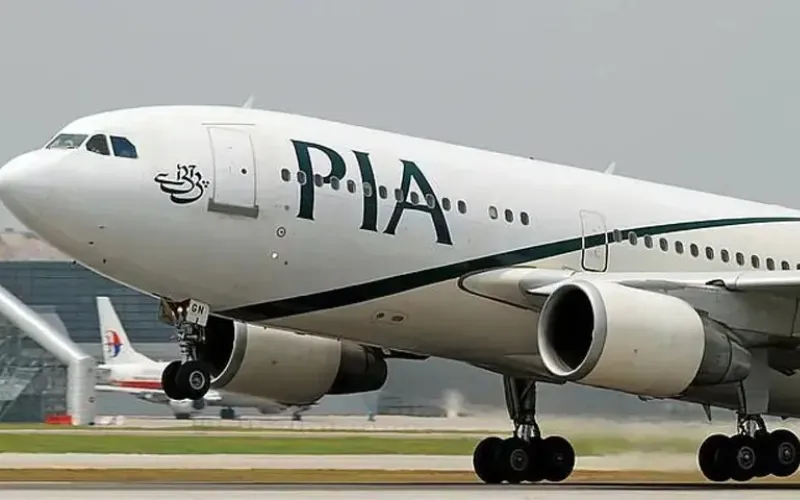
Bound by a defence pact with Saudi Arabia, Pakistan is in a precarious position.

Iran’s robust retaliation and blockade of the Strait of Hormuz that carries a fifth of global crude oil supplies have drastically altered the situation. This has effectively halted oil and gas exports, which are critical to Gulf economies. Experts estimate that between $700 million and $1.2 billion in oil revenue are being lost daily. Additionally, Gulf airlines are incurring billions of dollars in losses due to airspace closures.
Airports have been regularly targeted by Iranian missiles, affecting flight operations. Tourism and investments have significantly declined as the war continues, further frustrating the GCC countries. Although most missiles and drones fired by Iran are successfully intercepted, it comes at a steep cost. The interceptors and air defence systems are costing these countries up to $2bn and they are in short supply. Many of these nations feel unprotected by the US.

More concerning is a recent report in The New York Times. Senior US administration officials said Trump has been receiving advice from Saudi Crown Prince Mohammed bin Salman “to keep hitting Iran hard”. If accurate, this reflects the growing hostility between Iran and the Saudi kingdom. This could further the agendas of the US and Israel in the Middle East. Such a situation poses serious dangers to the region.
The Gulf Arab states may not have backed the US in going to war with Iran. However, many now appear to be urging the Trump administration to neutralise Iran’s military capability to protect the Gulf’s oil lifeline and economies, according to media reports. Meanwhile, the Trump administration is reportedly pressing Gulf states to join its efforts against Iran to seek legitimacy for its military actions.
Trump’s close aide Senator Lindsey Graham recently questioned whether the US should honour a long-sought defence pact with Saudi Arabia. He cited the kingdom’s refusal to join military operations against Iran as a challenge to justifying the partnership.
In a statement on social media, he said, “Hopefully, Gulf Cooperation Council countries will get more involved as this fight is in their backyard.” The post concluded with a veiled warning: “If not, consequences will follow,” he reportedly stated. While expressing support for US military action, it remains unclear if Gulf Arab countries will actively join the conflict.
Meanwhile, Trump has announced the deployment of 2,500 US Marines, marking a new and dangerous phase in the conflict, which has now entered its third week. The decision to send additional troops to a region where 50,000 American personnel are already stationed raises serious concerns about the possibility of the US initiating a ground operation in Iran. Marine Expeditionary Units can rapidly deploy ground detachments of troops and vehicles.
Earlier, Secretary of State Marco Rubio hinted at the potential for ground troops to recover a highly enriched uranium stockpile that could be used by Iran to build nuclear weapons. “People are going to have to go and get it,” he stated before Congress. Rubio did not give more details, but there have been media reports of discussions regarding a special forces operation inside Iran. Any such action could plunge the region into a prolonged conflict.
All this places Pakistan, which is bound by a defence pact with Saudi Arabia, in a precarious position. Islamabad has so far maintained a delicate balance in this ongoing conflict; while criticising missile attacks on Gulf countries, it has also condemned the US-Israeli aggression against Iran. However, this tightrope act may not continue if Saudi Arabia is drawn into a direct confrontation with Iran.
Pakistan has pledged to assist Saudi Arabia if the kingdom’s sovereignty or territorial integrity is threatened. The prime minister recently travelled to the kingdom with the chief of defence forces to discuss the regional situation with the Saudi leadership, following the US-Israeli strikes on Iran and the latter’s counterattacks on Gulf countries. Details of a ‘restricted’ meeting between the Pakistani leadership and the Saudi crown prince remain unclear.
This country has troops in Saudi Arabia for the kingdom’s security. If the kingdom or other GCC members enter into a direct conflict with Iran, the current situation would change. Pakistan shares a 900-kilometre border with Iran. Any conflict could have political repercussions for Pakistan, which is also affected by US-Israeli actions across the border.
The writer is an author and journalist.
X: @hidhussain
Published in Dawn, March 18th, 2026