Pakistan Population Summit: Murtaza Wahab says Karachi faces brunt of country’s ballooning populace


The second and final day of the ‘Pakistan Population Summit’ — a national dialogue on restoring balance and building sustainable futures — is underway in Islamabad.
Organised by DawnMedia, the summit is bringing together politicians, economists, development specialists, private sector leaders, and experts to develop a shared vision as rapid population growth continues to place pressure on health systems, food and water security, and employment.
On Monday, policymakers, experts, diplomats and lawmakers had expressed the unanimous view that prosperity was not possible if the number of mouths to feed kept rising.
They argued that without managing the population in terms of resources, all of the government’s efforts — aimed at development, progress and social uplift — would amount to nought.

View the full agenda here.

11:22pm — Our rural communities are not as rural: Ayesha Leghari
Detailing a WhatsApp chatbot aimed at population growth in rural areas, Leghari remarked that Pakistan’s “rural communities are not as rural anymore”.
“We are more of a peri-urban shifted country as opposed to having deep rural communities and cities,” she said.
12:18pm — Ayesha Leghari stresses importance of ‘economic agency’ for women
Ayesha Leghari, Population Services International’s country director for Pakistan, echoed Tahira Abdullah’s comments and stressed the importance of providing women with “economic agency”.
“Giving women agency from an economic perspective is one of the most important aspects which we have seen,” Leghari said.
Detailing the outcomes of a PSI project aimed at uplifting women in rural areas, Leghari said: “These women did not have a say in their households before, but once they started becoming economic contributors in their households, their decision-making improved substantially, not just in their households.”
She noted women also became more autonomous in making decisions with regards to their bodies.
“They started choosing contraceptive methods of their choice, they started investing the money they were earning into their daughters, and we saw a dynamic change.”
12:10pm — Tahira Abdullah calls for ending ‘feminisation of poverty’
Activist Tahira Abdullah also called for an end to “feminisation of poverty”, which she described was the share of women in the country’s total poverty figures.
She cited World Bank and past figures, according to which 45pc of the country’s population lived below the poverty line, and women and transgenders made up 75pc of that.
The rights defender also demanded an end to unpaid labour by women.
She insisted that women’s labour force participation rate “might be 22pc in the official figures, but 100pc of Pakistan’s women, girls and transgenders worked”.
12:02pm — Conditional permission for birth spacing ‘unacceptable’: activist Tahira Abdullah
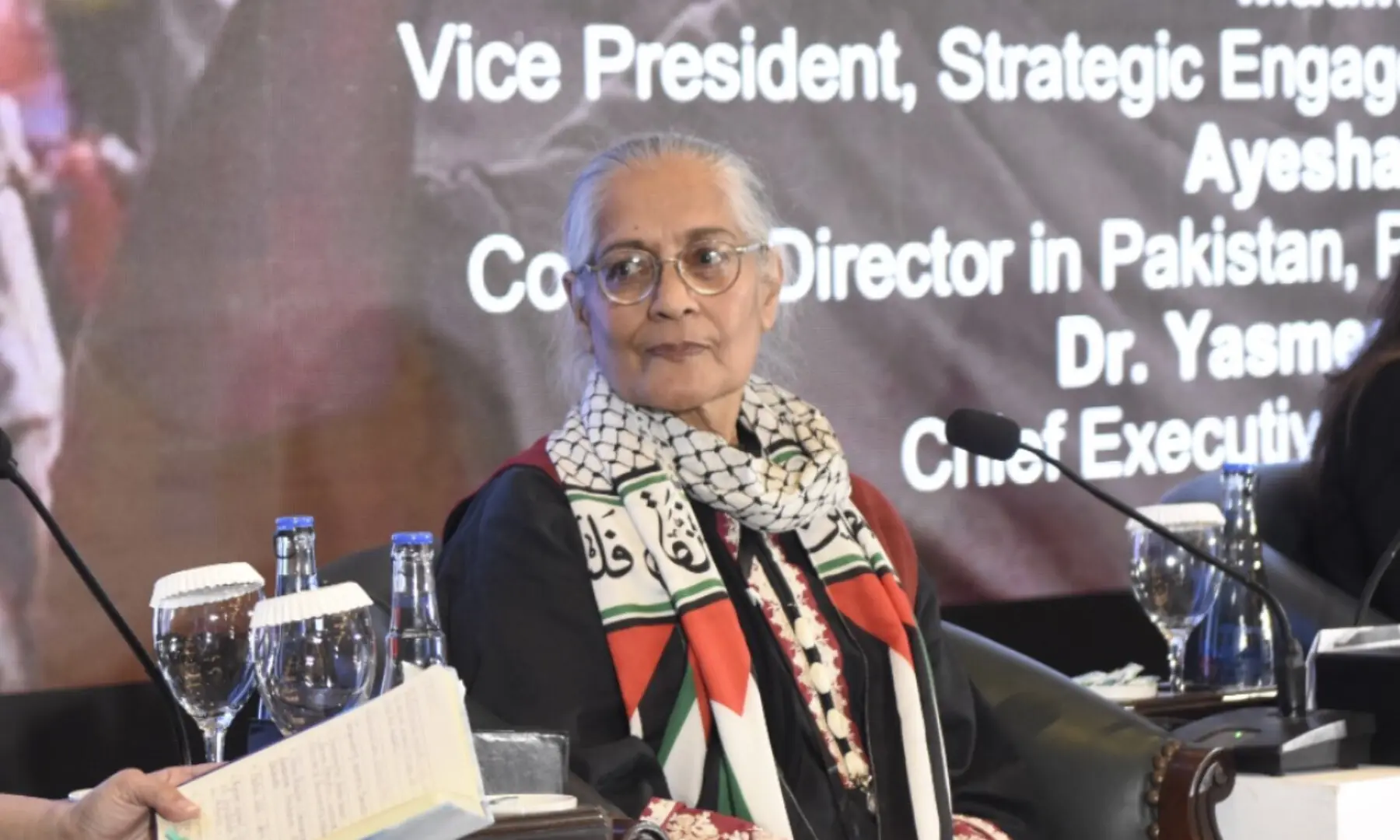
Tahira Abdullah, a rights defender, noted that the subject of population balance had become an “existential challenge”.
Donning a keffiyeh, she said that permission for anything should not be “conditional”.
She asserted: “When we give permission, it should be from a moral, ethical and rights-based background, not on a transactional basis.
“‘If a woman’s health is not good, then she can employ birth spacing’. I’m sorry; that is not acceptable,” the activist said, apparently referring to some religious scholars opining that birth spacing was allowed in Islam if there was a danger to the mother’s life.
11:55am — Day’s 3rd session on women empowerment begins
Today’s third session, titled ‘Empowering Women and Their Choices’, has begun with National Commission on the Status of Women (NCSW) head Umm e Laila Azhar chairing it.
Tahera Hasan, a lawyer & CEO of Imkaan Welfare, is moderating the panel discussion.
11:46am — Need to focus on giving free of cost land to our people: Wahab
Replying to a query whether migration should be reduced, Murtaza Wahab termed Karachi an “extremely stretchable city”.
He noted that the city had a “humongous” land mass, which has tremendous potential.
The Karachi mayor underscored the need for development planning, noting that any restrictions on land allotment to the poor would lead to “unplanned growth in the city”.
“We should as a state be focusing on giving free of cost land to our people, incentivising them to develop proper settlements,” he said.
11:44am — Wahab calls for developing more cities as ‘alternate to Karachi’
Mayor Karachi was of the opinion that the state should invest in developing more cities to serve as alternatives to Karachi.
“I think as a matter of policy, Pakistan should be focusing on developing more cities, alternates to Karachi, so that the population can be moved to other cities as well,” said Wahab.
11:40am — Karachi faces brunt of Pakistan’s ballooning population: Murtaza Wahab
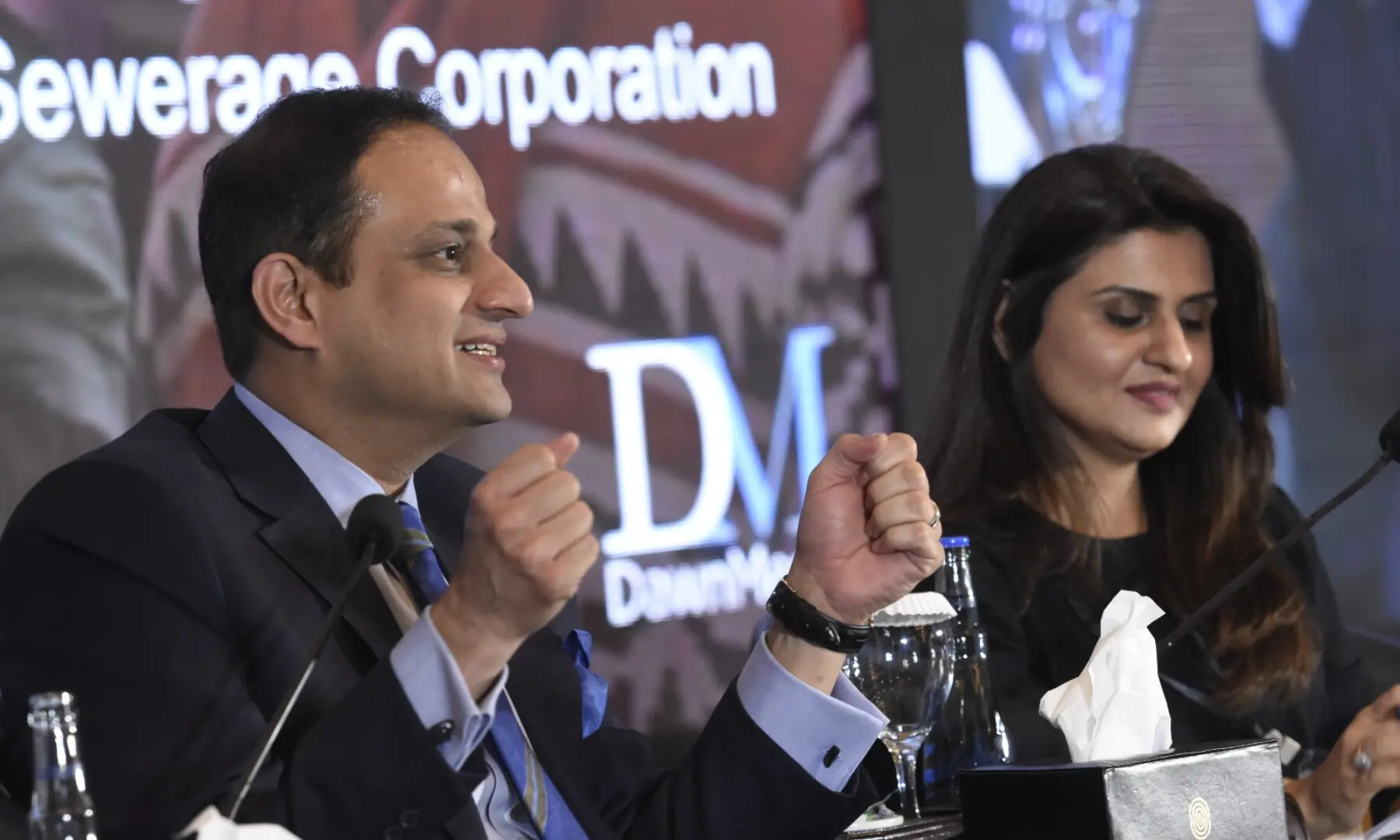
Karachi Mayor Murtaza Wahab, in response to a question about long-term planning for Karachi’s population management, highlighted that his city was “facing the brunt of ballooning population”.
Wahab noted that “one common denominator amongst Pakistan’s problems is the ballooning population”. “Karachi, arguably, being the only cosmopolitan city of Pakistan, faces the brunt of it.”
He cited figures from the first census in 1951 when the population of Karachi was 1m, then it increased to 8.5m in 1995, and later, as per the census of 2023, “we are a city of 20.3m, which again is debated”.
Comparing it to the population growth in cities such as New York and London, Mayor Wahab said, “There is no example of a city anywhere in the world where the city’s population has increased over 20 times.”
“That shows that perhaps the state has not prioritised the issue of ballooning population, and the second aspect is that the state has not developed alternate places for people to reside,” he said.
“People from all over Pakistan come to Karachi,” Wahab added.
11:33am — ‘No govt has produced any amount of houses’
Arif Hasan recalled that although mnay governments promised constructing many houses, but “nobody has produced any amount of houses”.
On the PPP building “one-room houses” for flood-affected people, Hasan said, “Let’s see how it works out.”
Asked about pressing issues faced by the society, he said flooding was the biggest. He also stressed the need to control population density, adding that dealing with these issues required a major land reform.
11:28am — Arif Hasan terms ‘affordability’ biggest problem in housing
Asked about the national housing policy, urban planner Arif Hasan said he believed there was “no housing policy for the poor”. “It’s almost always the private sector that deals with this,” he added.
He termed affordability as the biggest problem, adding that another issue was that the only space available to the poor was at the city’s fringe.
“They are pushed out ot teh periphery or environmentally degraded areas,” Hasan said, pointing out that old katchi abadis were turned into high rises as the informal sector invested in that.
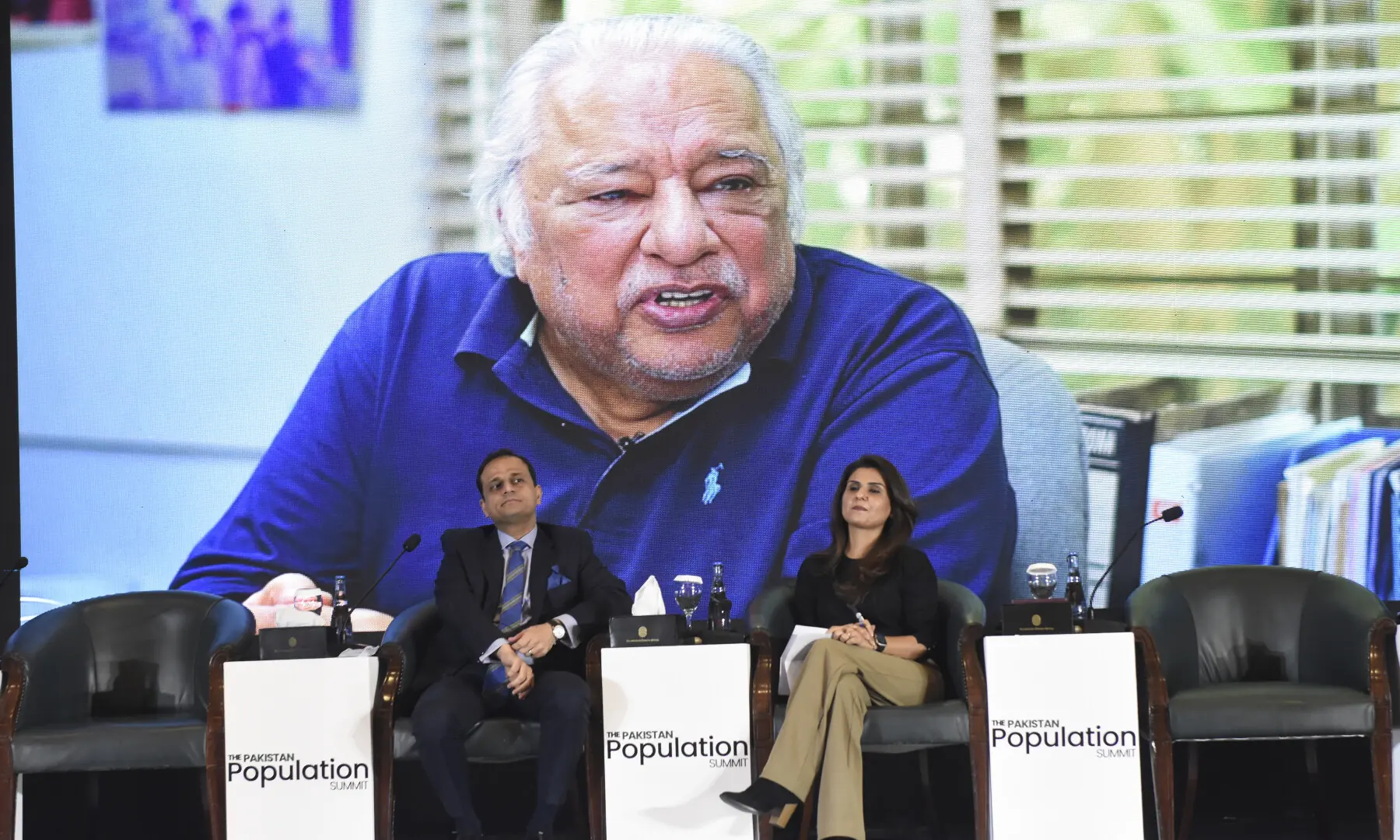
11:21am — Arif Hasan notes changing urbanisation trends
At the summit’s ninth session, titled ‘Population Challenges for a Highly Urbanised Pakistan in 2050’, architect and urban planner Arif Hasan detailed the rising trends in urbanisation.
“The major trend is social, which, of course, is a result of economic change.
“The extended family has reduced considerably, the nuclear family has evolved and consolidated, especially in the urban areas, and that gives a lot of freedom to individuals within nuclear families,” Hasan said.
He continued: “So women can acquire education, without pressure from their aunts and uncles, not to have an education. Also, the freedom to marry whoever they want, although this is not consolidated, but the trend is certainly there even within low-income groups.”
He noted that the shift to nuclear families “has changed settlement patterns as well”.
Speaking about changing trends in rural areas, Hasan observed that the “change in production patterns, mechanisation, fertiliser, middle man economy … all this has given rise to an economy where cash is desperately needed and that cash is not available in the rural areas”.
“So that has become a push factor,” he added.
11:15am — Not having women’s consent for pregnancy is inconceivable: Humaira Masihuddin
Humaira Masihuddin said that women bore the “main burden of pregnancy — physical, psychological and emotional“.
She said: “In every pregnancy, the risk and threat of death is very real. Not asking the person who has to take such a huge risk or their consent not being included is inconceivable.
“I cannot believe that the Sharia would ever allow something like this,” she added, prompting a huge applause from the audience.
Stressing the importance of justice in Islam, Masihuddin asked, “Where would the justice be in this if a pregnancy is forced upon a woman?”
“ […] Consultation is a cardinal principle in all relationships in Islam.”
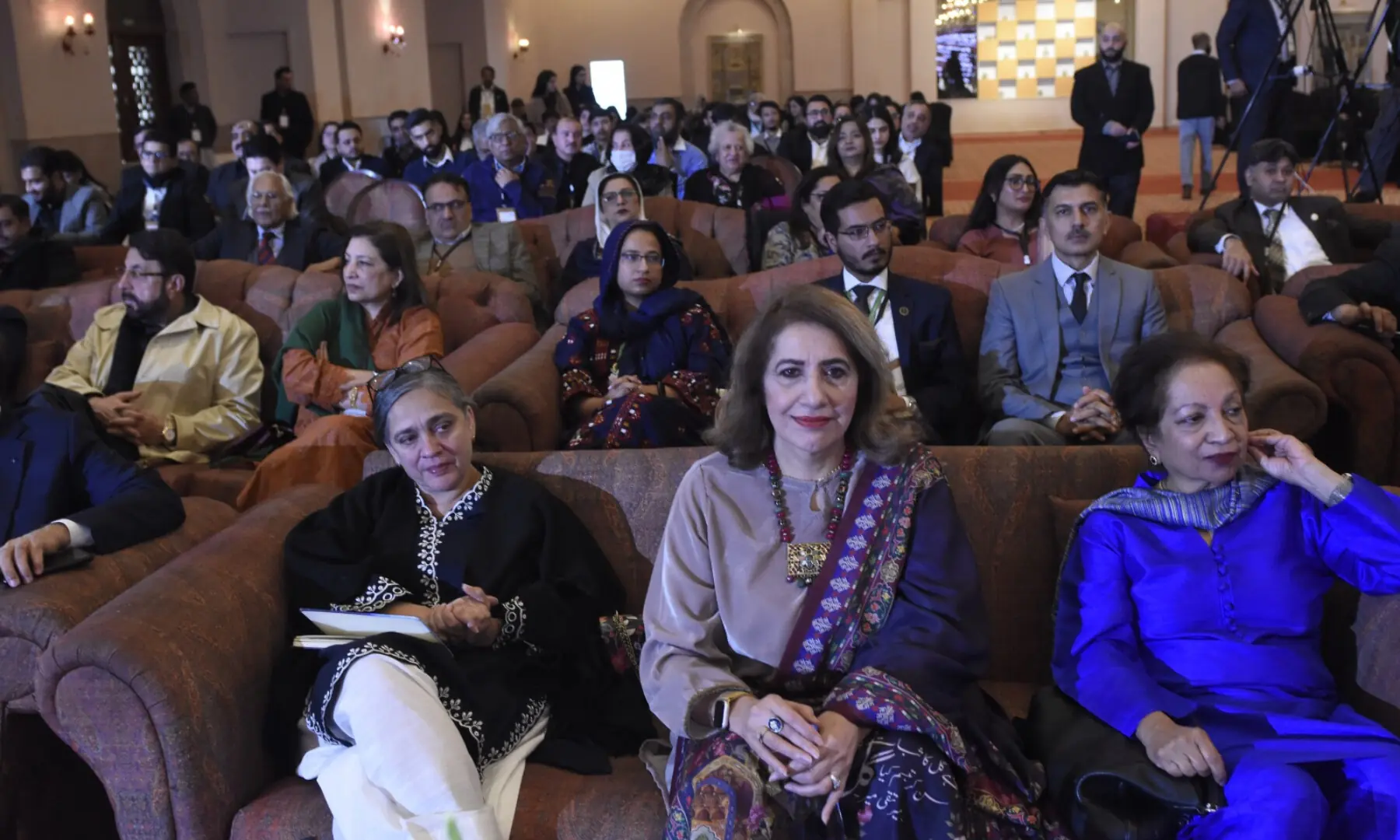
11:08am — Women’s representation extremely important in family planning discussions: Humaira Masihuddin
Legal expert Humaira Masihuddin recalled that in July, the CII held a consultation with the Population Council to discuss “pregnancy issues” where 47 men and only three women were present.
“So I think this needs to be rectified; women’s representation is extremely important,” she asserted.
Masihuddin also stressed the importance of women in Islam, citing a Quranic verse that declares men and women each other’s “allies”.
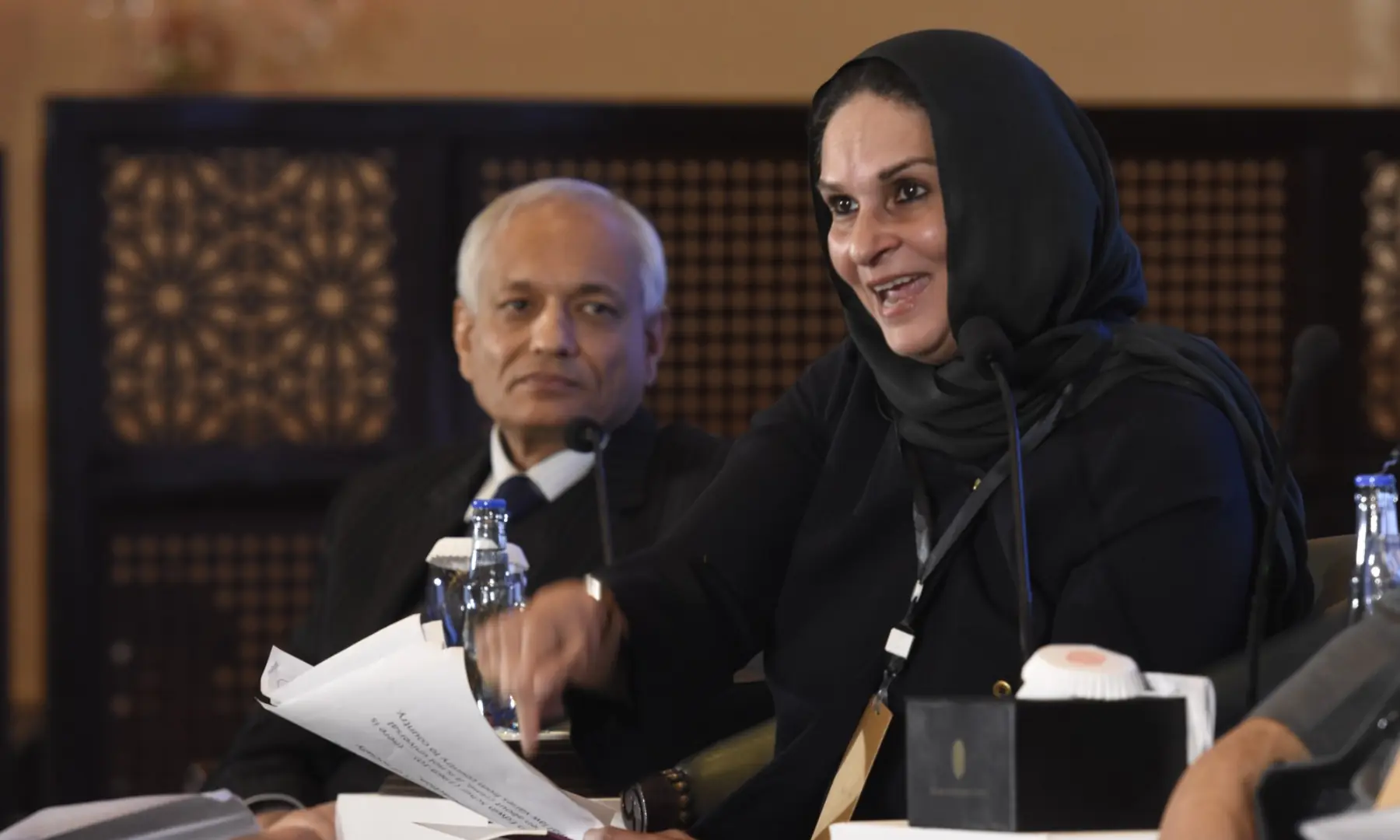
11:06am — Dr Qibla Ayaz calls for ‘de-linking’ population with ‘rizq’
Dr Qibla Ayaz called for the need to “delink” the concept of rizq (sustenance) with population, and associate population with health instead.
“Scholars believe that rather than linking population growth with sustenance, link with health, because if you do not take gaps in childbirth, both the mother and child will suffer,” he stressed.
“The child will be born stunted, and the mother will be weak, and she will face difficulty in raising her children and guiding them towards a better future.”
11:00am — CII ‘coined’ concept of population balance, says Dr Ayaz
Dr Qibla Ayaz, a member of the Supreme Court’s Shariat appellate bench, appreciated the CII for “taking the lead” in the matter and “coining” the concept of population balance.
He recalled that “back in the 60s, it came to be known as family planning”.
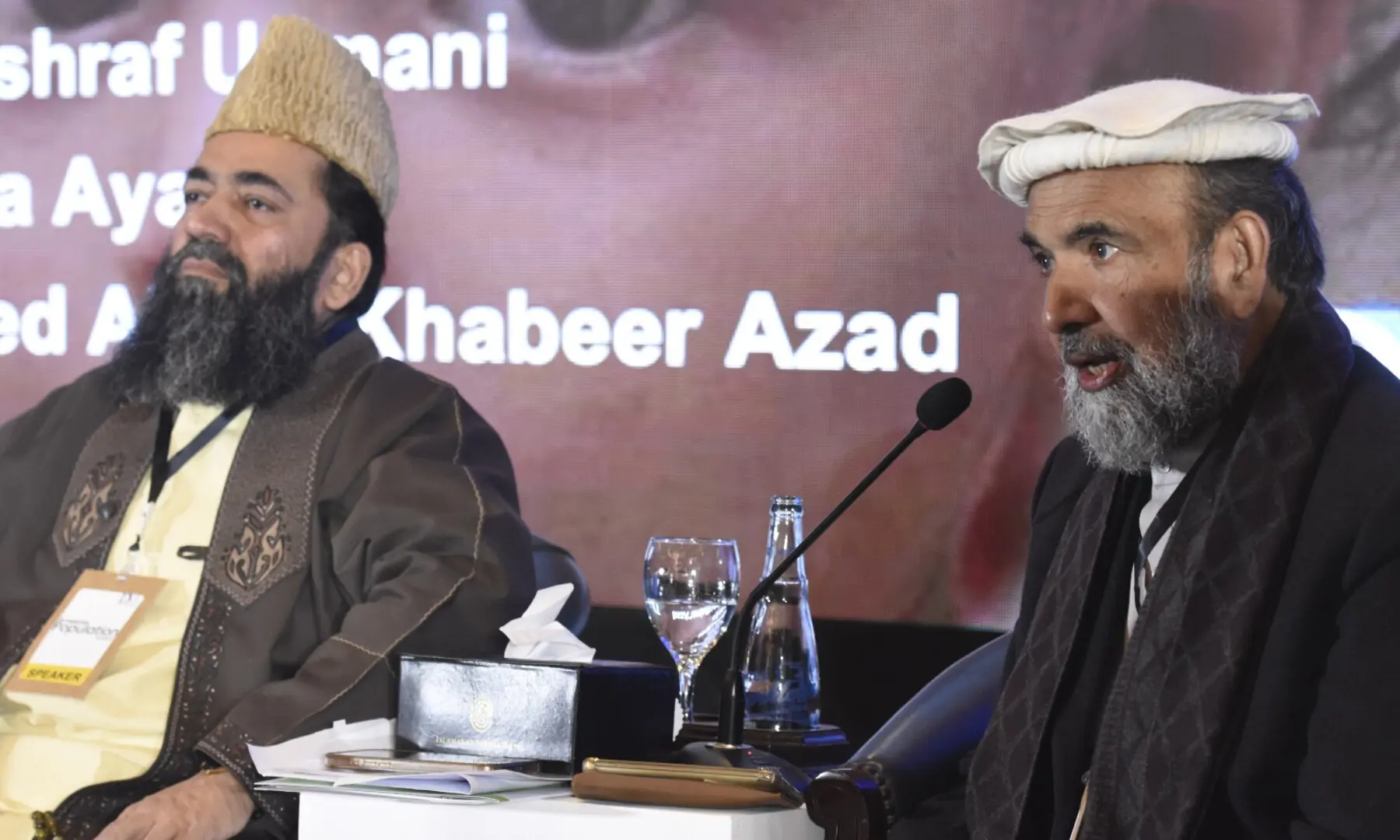
10:50am — Mufti Zubair Ashraf Usmani says Pakistan has not utilised resources
While noting that the growing populace was an issue, Mufti Zubair Ashraf Usmani asked whether the country had utilised the resources given by God “in the right way”.
Citing the example of China, he said population was much larger there but it managed its resources.
“Allah has blessed our country with treasures worth billions, but we are selling those to others for pennies and not utilising our resources,” he said.
The Jamia Darul Uloom vice president noted that even the Sunnah underscored “moderation” in everything.
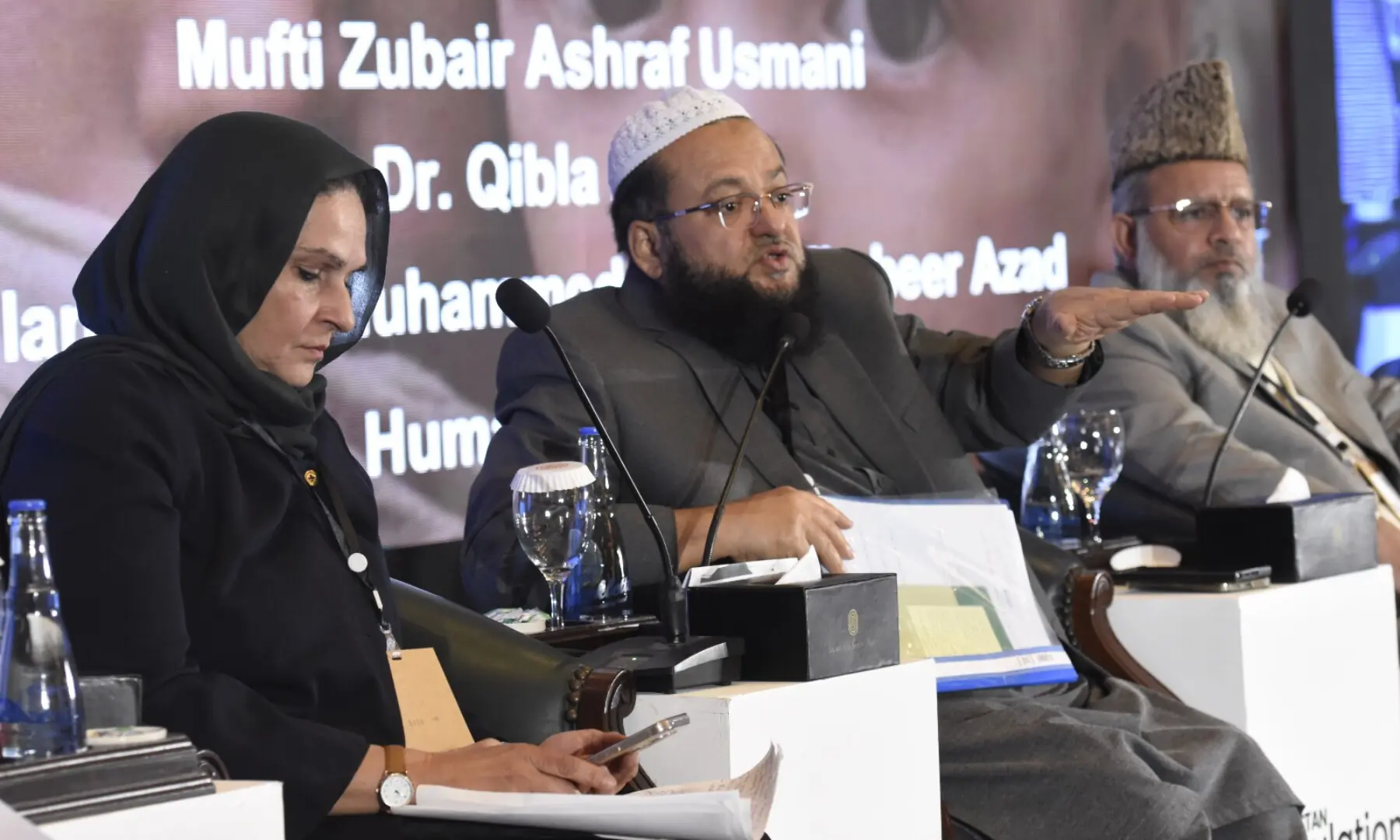
10:45am — Islam allows birth control in select situations: Jamia Darul Uloom vice president
Jamia Darul Uloom Vice President Mufti Zubair Ashraf Usmani also shed light on what the Sharia says about the issue of rapid population growth.
“Growing population is not an issue, it is a waseela,” he said, adding that a balance could be struck as birth control could be used in certain situations, such as when there was danger to a woman’s health.
However, Mufti Usmani said Islamic laws did not favour “birth control due to fear of poverty and starvation”, or if parents wanted to avoid a girl’s birth.
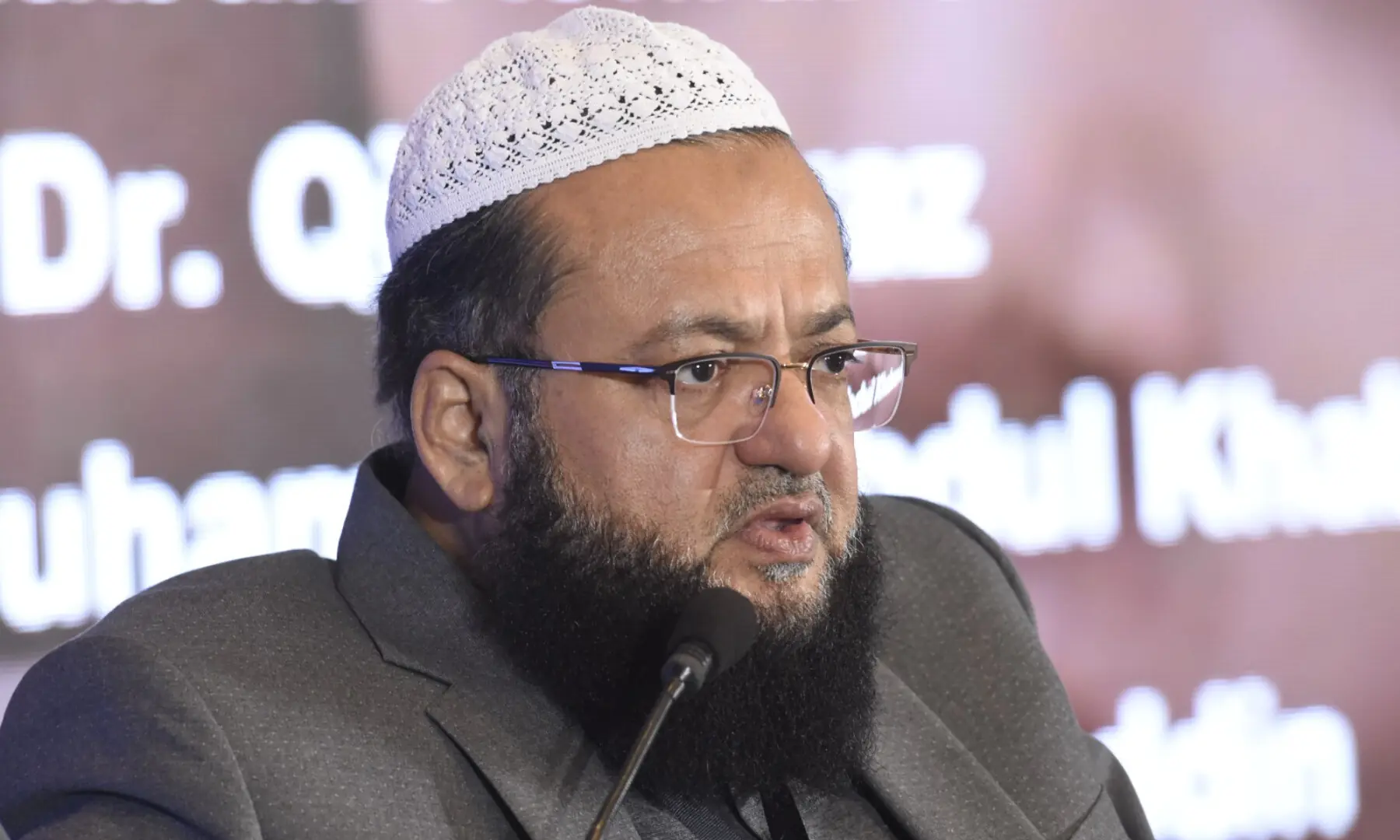
10:35am — Maulana Abdul Khabeer Azad terms tackling population growth ‘a collective responsibility’
Chairman Ruet-i-Hilal Committee Abdul Khabeer Azad stressed that tackling population growth was “our collective responsibility”, recalling his 15 years of association with the Population Council.
Detailing their efforts, he said: “When we created this awareness that saving one human life was equivalent to saving the entirety of humanity, and then when we talked about the health of mother and child, people understood that this was indeed a noble cause.”
“We often see that when such topics come under discussion, they are labelled as foreign agenda, but we believe that the life of a person is very precious,” he added.
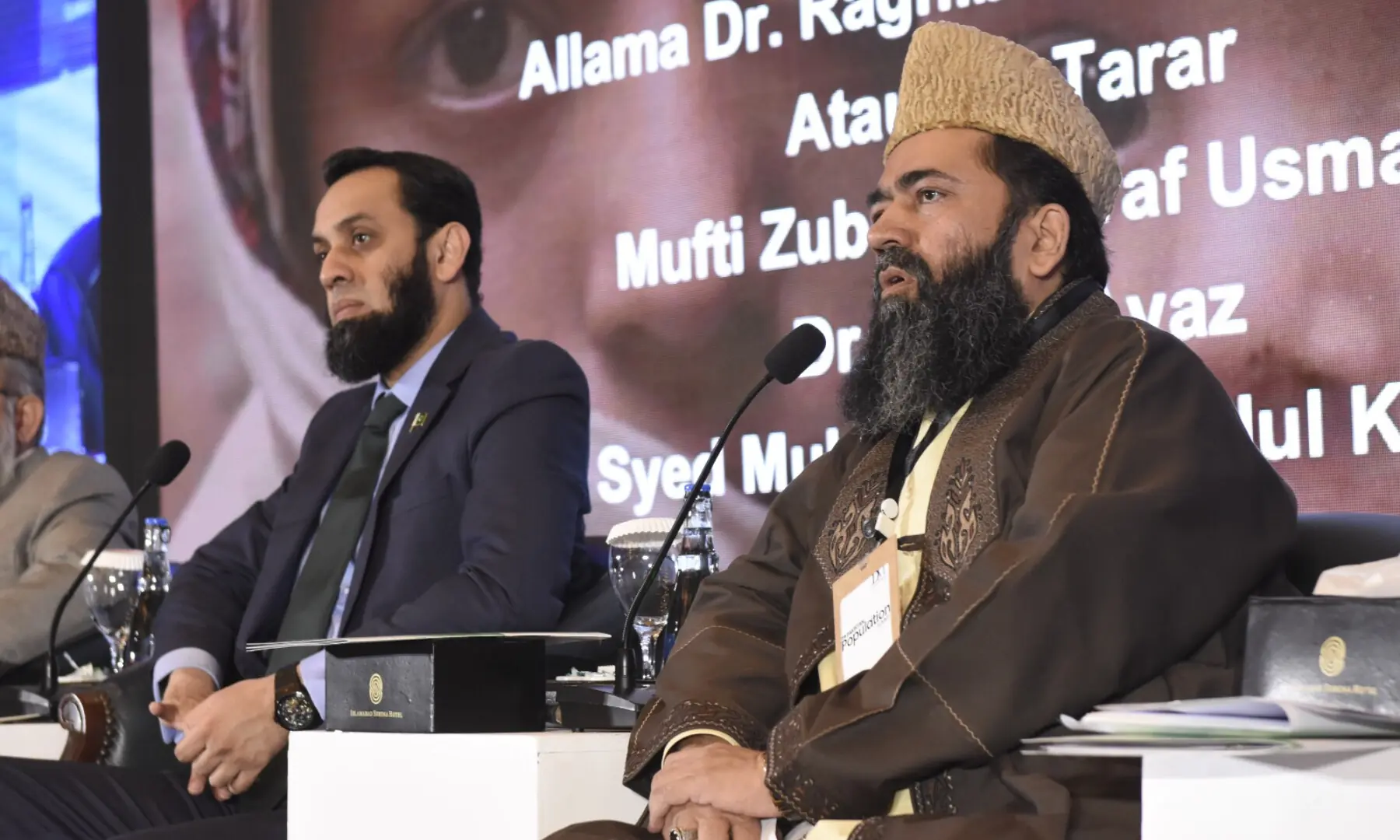
10:28am — ‘Religious scholars ready to play role in raising public awareness’
The CII chief affirmed that religious scholars were determined to play their role in raising awareness among the public.
“Neither are the scholars behind in this, nor do they think that birth spacing should not be adopted,” he said.
Dr Raghib Naeemi called for public sessions, discussions at the graduate level in colleges and universities, and formation of think tanks to work on the issue.
10:22am — Birth spacing parents’ duty: Council of Islamic Ideology chairman
CII chief Raghib Hussain Naeemi said that keeping in mind Islamic rules, appropriate birth spacing to consider the children’s health was the parents’ responsibility.
He further said that scholars of all sects were of the view that Sharia allowed for birth planning and spacing if there was danger to the mother’s health during pregnancy, or risk of “untolerable pain”, or issues related to lactation, or the mother would have to face multiple complications.
The CII chairman also advocated for a social media campaign to raise awareness. He said that Islam’s “fundamental principle” of balance also favoured a balance between resources and population.
10:20am — CII chairman terms family planning ‘Islamic responsibility’
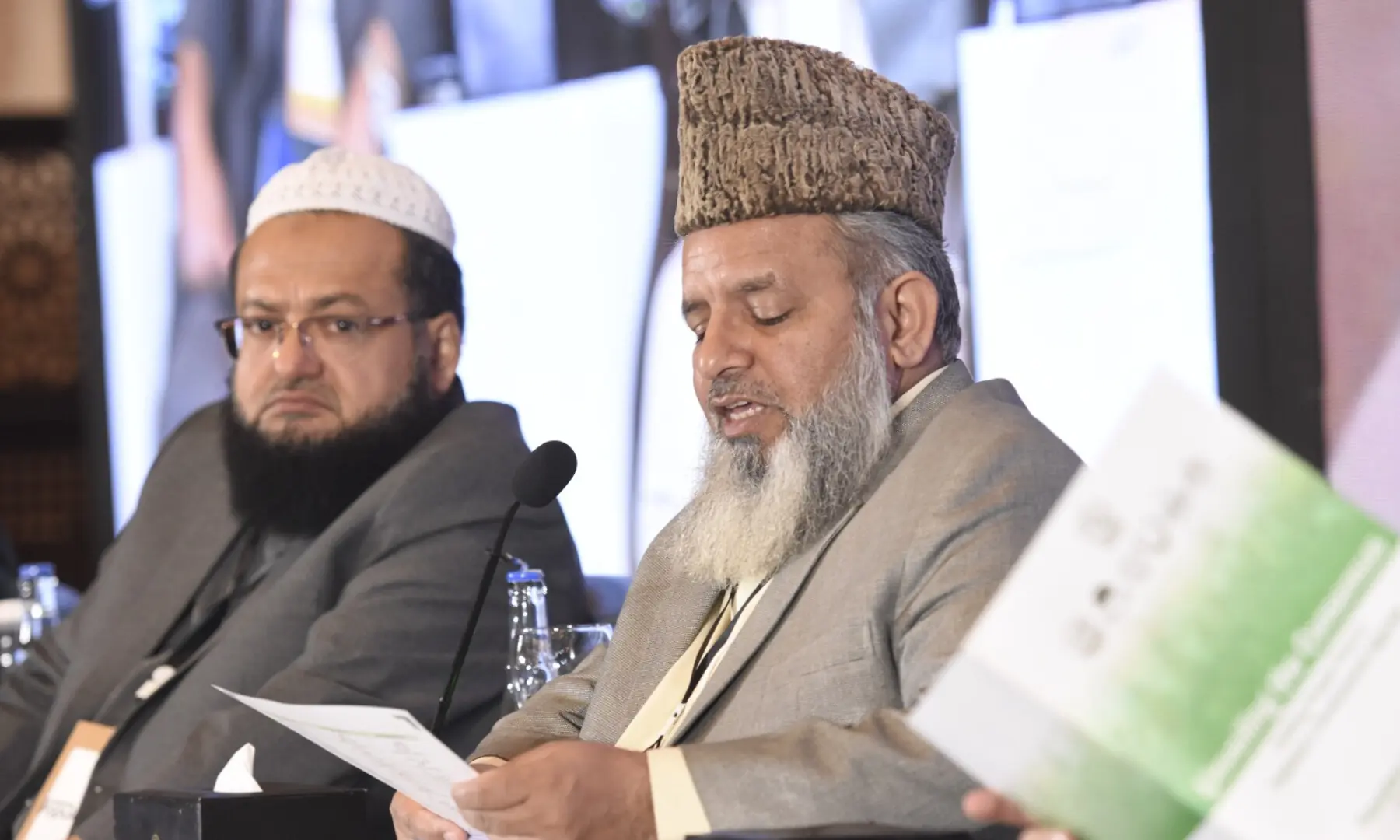
CII chairman Muhammad Raghib Hussain Naeemi recalled that in July, CII organised a conference aimed at discussing the Islamic perspective on population growth, where they adopted a resolution.
“The basis of our resolution was that the protection of the family system, the health of the mother and child, in the context of an increasing population…has become increasingly important”, he said.
He continued: “Quran and Sunnat have declared the protection of one’s life and their offspring as the fundamental purpose of Shariat, which is why the protection of one’s life, the betterment of mother and child, and family planning is an Islamic responsibility.”
“Keeping in view the Sharia, taking a gap between children is the responsibility of the parents in the context of their child’s health,” he added.
10:16am — Info minister calls for joint working group, parliamentary debate
Suggesting some steps that could be taken, Attaullah Tarar called for a charter on the population crisis and recommended that a debate be held in parliament.
“One size fits all strategy might not work,” he noted, adding that religion was not an impediment in population planning.
The minister called for a joint working group that could work on a charter on the issue.
10:11am — Postpartum depression is a reality: info minister
The information minister also highlighted that postpartum depression was a “reality which should be realised and accepted”.
He stressed that mental health was a major aspect of “health linked to the population problem”.
Tarar further wondered what role legislators and the parliament could play in this regard. The minister also pointed out that lack of resources was an issue.
“There needs to be a realisation of rights and responsibilities — who has rights and who has responsibilities.”
10:08am — ‘Right to life’ impeded by population growth: Tarar
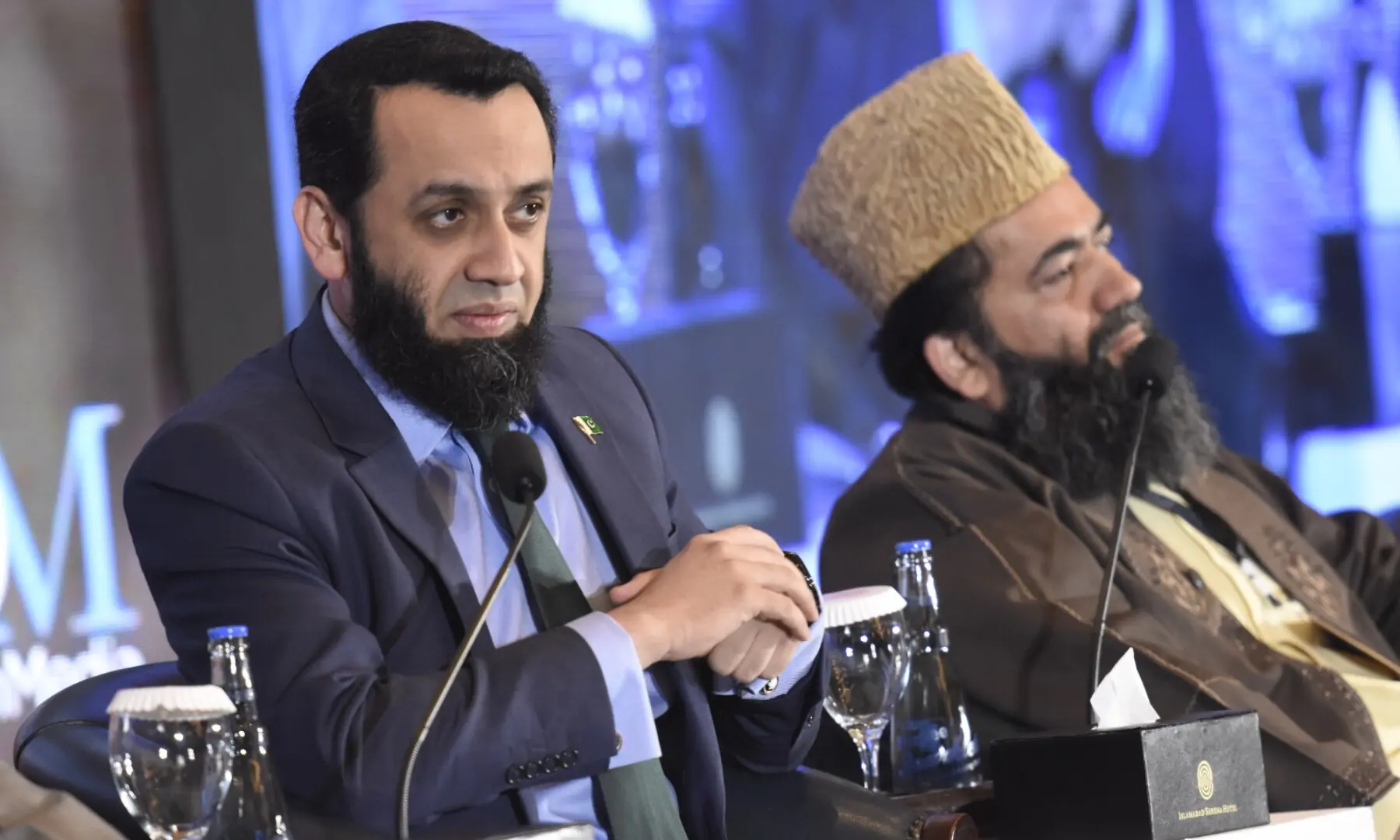
Attaullah Tarar believed that the fundamental right to life guaranteed under the Constitution was directly linked to population growth.
“If one’s right to life gets impeded because of the population issue […] It is tragic,” he said.
The minister noted that “we were losing a lot of lives” due to issues amplified by the population explosion, particularly in relation to infant mortality rates, neonatal healthcare, mother-child healthcare, and reproductive health.
10:05am — Must acknowledge scale of issue: Attaullah Tarar
Minister for Information and Broadcasting Attaullah Tarar began by commending the DawnMedia group for speaking about the issue. He then stressed that, to him, “acknowledging the issue itself was quite important”.
“Until and less we accept it as a huge challenge, we will continue to face problems,” he said.
“First of all, it’s acceptance and the realisation that it is a huge issue,” the minister cautioned.
10:00am — 1st session of the day begins
Dr Ali Mohammad Mir, the senior director of the Population Council, is moderating the first session of the day.
The panel features Information Minister Attaullah Tarar, Council of Islamic Ideology Chairman Allama Dr Muhammad Raghib Hussain Naeemi, Jamia Darul Uloom Vice President Mufti Zubair Ashraf Usmani, Member of the Shariat Appellate Bench Dr Qibla Ayaz, Ruet-i-Hilal Committee Chairman Maulana Syed Muhammed Abdul Khabeer Azad and legal expert Humaira Masihuddin.
9:58am — Population Council official speaks
Ali Mazhar, the director of communications at the Population Council, opened the second day.
He said that the first day of the summit focused on the gap between an expanding population and the available resources.
Experts highlighted that ensuring a safe and educated Pakistan is not possible until we take better steps for population management, he said.
Mazhar also noted that the role of Islamic scholars in tackling population growth came under much discussion.
“Scholars have the most influence on our family planning and societal behaviour,” he noted.
9:56am — 2nd day of Pakistan Population Summit begins
The second and final day of the Pakistan Population Summit has begun in Islamabad. The day kicked off with the recitation of the Holy Quran.