



During Express Tribune podcast, dental experts warn against gutka use, highlight link b/w mouth and systemic diseases
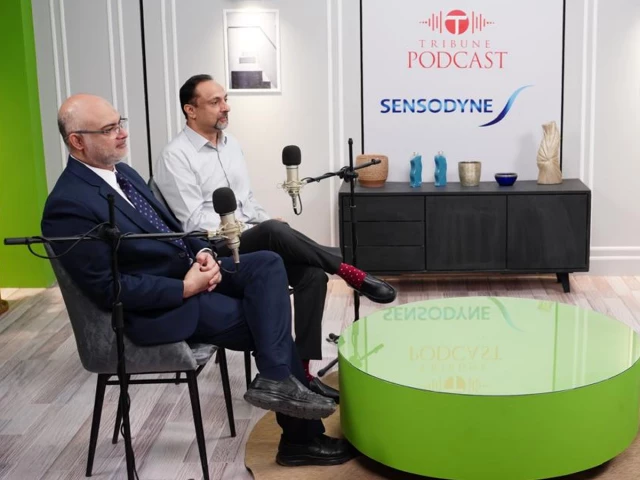
Dr Najeeb Saad and Dr Hasnain Sakrani attend Express Tribune podcast on oral health. Photo: Express
Dental experts have underscored the critical link between oral hygiene and overall health, warning that neglecting dental care can lead to serious systemic diseases, including heart conditions and diabetes.
Speaking during The Express Tribune Podcast organised in connection with World Oral Health Day in collaboration with Sensodyne, award-winning dentist Dr Najeeb Saad and dental educator Dr Hasnain Sakrani highlighted the importance of maintaining oral hygiene as a cornerstone of overall well-being.

The podcast was moderated by Erum Khaja.

Read: Oral Health Day: Expert insights on maintaining a healthy smile

Dr Saad explained that the “mouth-body connection” is scientifically established, adding that the mouth serves as the gateway to the body. “Bacteria originating from oral infections can enter the bloodstream and affect vital organs, including the heart,” he said, adding that poor oral hygiene has been linked with a range of systemic conditions.
He cautioned against the widespread consumption of substances such as gutka and paan, which promote bacterial growth and significantly increase health risks. “You cannot expect a healthy body while neglecting oral hygiene,” he added.
The experts further stated that oral health also plays a vital role in digestion and mental well-being. Proper chewing aids digestion, while a healthy smile contributes to confidence and self-esteem. They added that dentists are often able to detect early signs of systemic diseases through oral symptoms, making regular checkups essential.
Dr Sakrani pointed out that most people visit dentists only when they experience pain, whereas preventive care is key. “Dental visits should be routine, ideally every six to 12 months, much like servicing a car,” he said, stressing that early detection can prevent complications such as root canals or tooth extractions.
The discussion also highlighted the importance of instilling positive dental habits in children from an early age. Parents were advised against creating fear around dental visits and instead encouraged to foster a supportive environment.
Addressing lifestyle factors, the dental experts stressed proper brushing techniques, controlled snacking, and caution with acidic foods and drinks. They warned that brushing immediately after consuming acidic beverages can damage teeth and recommended rinsing the mouth and waiting before brushing.
Also Read: Healthy smile, healthy you: A guide to dental hygiene
The dentists also discussed teeth grinding, or Bruxism, which is often linked to stress and can lead to tooth wear and jaw pain. The use of night guards was suggested as a preventive measure.
They added that cavities can affect individuals of all ages and may be exacerbated by reduced saliva due to medication use. Saliva plays a crucial role in naturally cleaning the mouth, making hydration essential.
Highlighting the dangers of poor brushing techniques, the experts warned that aggressive brushing can damage gums and cause sensitivity. They recommended using a soft-bristle brush at a 45-degree angle with gentle circular motions, along with regular flossing and tongue cleaning.
Expressing concern over public health trends, the dentists identified gutka and similar substances as a leading cause of oral cancer in Pakistan. They referred to a rise in cases of oral submucous fibrosis among young individuals, a condition that restricts mouth opening and may progress to cancer.
While awareness around oral hygiene is improving in certain segments of society, the experts said broader public education remains limited. They called for increased awareness campaigns and stressed that preventive care, regular dental visits, and healthy lifestyle choices are essential.
“The key message is simple: prevention is better than cure,” the experts concluded, urging people to prioritise oral hygiene for a healthier life.