
Iranian Foreign Minister Abbas Araghchi stated that Tehran sees “no reason” to engage in negotiations with the United States and is prepared to continue defending itself indefinitely.
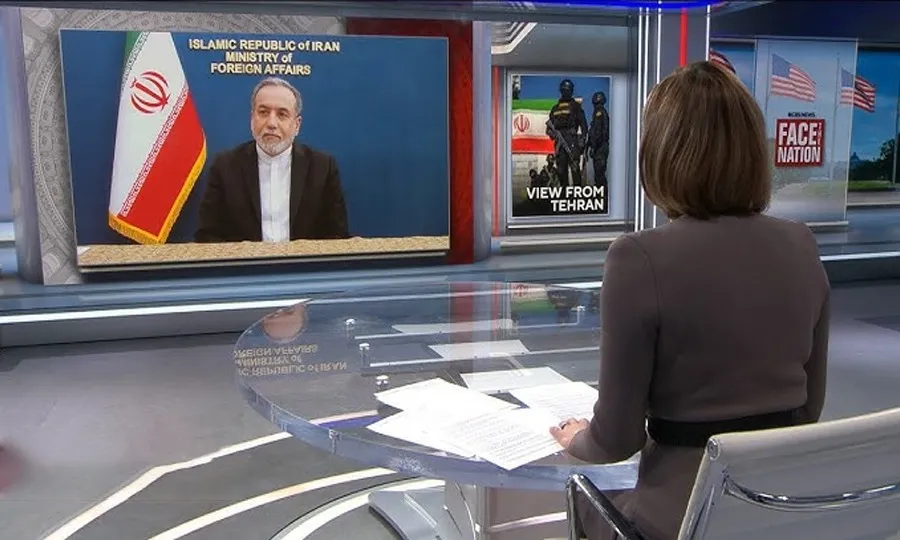
In an interview with CBS’s Face the Nation, Araghchi characterized the recent conflict initiated by U.S.-Israeli strikes on February 28, as “a war of choice” that has targeted both Iranian civilians and military sites.
“We never requested a ceasefire or negotiations,” he declared. “We are ready to defend ourselves as long as it takes. We will continue until President Trump recognizes that this is an illegal war with no winners.”

Iranian Foreign Minister Abbas Araghchi says the regime is not in a war of survival, telling @margbrennan the regime is “stable and strong enough.”

“We don’t see any reason why we should talk with Americans, because we were talking with them when they decided to attack us, and… pic.twitter.com/AQdyeWBiFu
— Face The Nation (@FaceTheNation) March 15, 2026

Regarding talks with the U.S., Araghchi said: “We see no reason to talk with Americans because we have already tried when they decided to attack us twice. There’s no positive experience in negotiating with them.”
This statement follows recent remarks from President Donald Trump, who claimed Iran was interested in negotiations but rejected overtures. Trump also posted on Truth Social that Iran “is totally defeated and wants a deal, but not a deal that I would accept,” and told NBC News that Iran “wants to make a deal,” but the terms are “not good enough yet,” leading him to hold off on negotiations.
U.S. officials warn that the conflict could extend for weeks, as Iran continues drone and missile attacks into neighboring countries hosting American forces.
Araghchi justified Iran’s defensive strikes, accusing countries like Kuwait and the United Arab Emirates of providing their territory for U.S. attacks. “We cannot remain silent,” he said, emphasizing Iran’s focus on targeting American assets.
He described the conflict as a “war of choice” by President Trump and the U.S., asserting, “This is a war of choice by the United States, and we will continue our self-defense.”
Iran’s missile and drone attacks have resulted in over 30 deaths, including 13 U.S. service members. According to Iranian state media, over 1,200 Iranians have been killed, though it’s unclear if this includes military casualties from the Islamic Revolutionary Guard Corps. Lebanon’s Health Ministry reports at least 486 fatalities from Israeli strikes there.
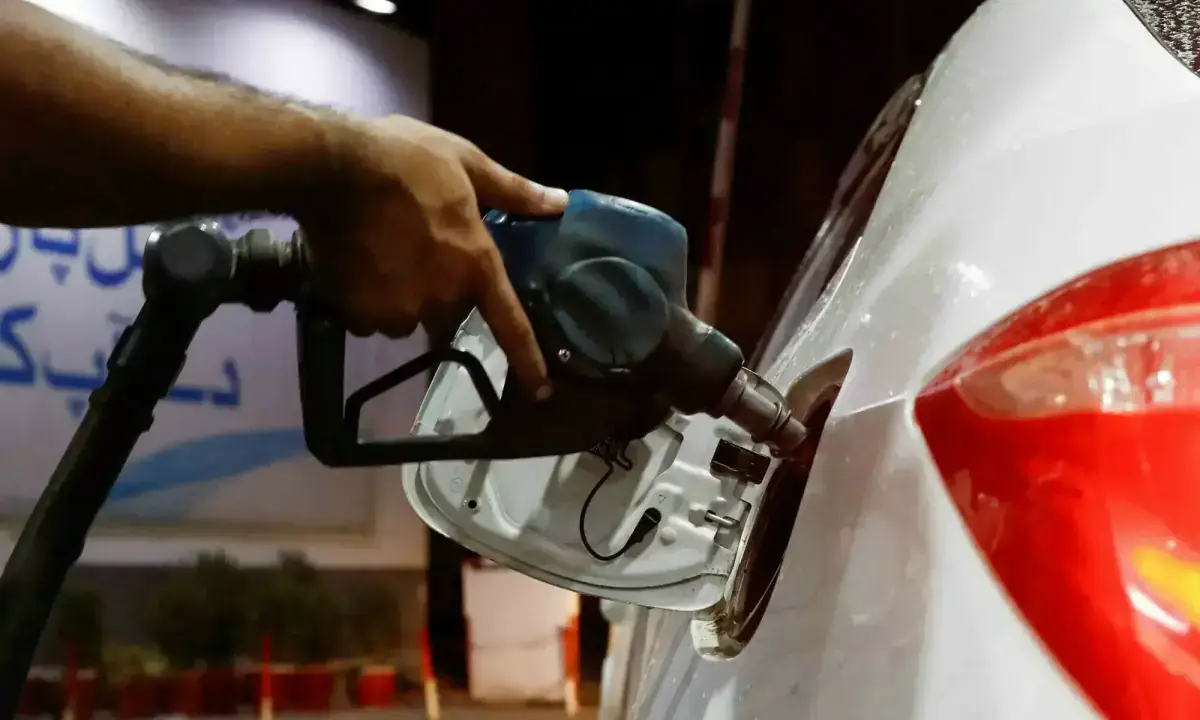
Addressing the Strait of Hormuz, a key global oil shipping route, Araghchi said Iran has allowed passage for some countries requesting it but refused to specify which ones. “We provide safe passage because we have not closed the strait,” he explained, attributing restrictions on U.S. and Israeli vessels to insecurity caused by U.S. aggression.
On Iran’s nuclear program, Araghchi noted that about 440 kilograms of enriched uranium remain under IAEA supervision after attacks on nuclear facilities. While Iran has previously offered to dilute highly enriched uranium in negotiations, he said, “Nothing is on the table now. Everything depends on the future.”
He dismissed concerns that Iran’s stance could lead to international isolation or harm future trade, asserting Iran’s strength and questioning the efficacy of past diplomatic efforts. “We talked before, so why did they decide to attack us? There’s no benefit in returning to negotiations now.”