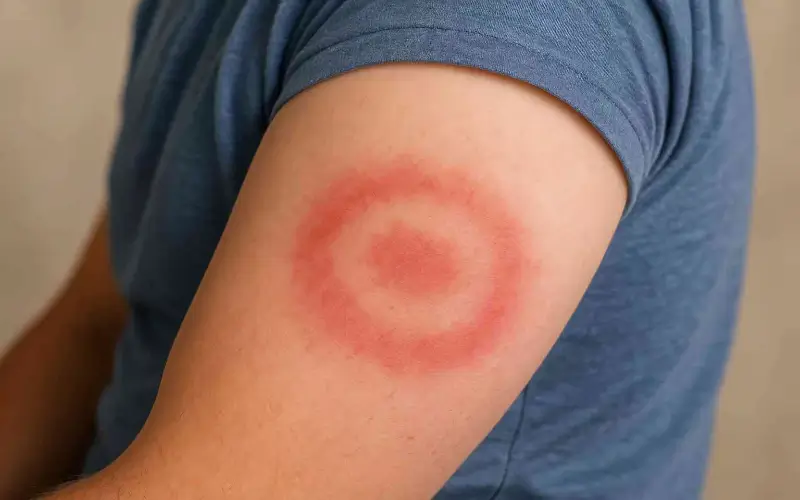

Lyme disease is a bacterial infection caused by Borrelia burgdorferi, primarily transmitted to humans through the bite of infected black-legged ticks, also known as deer ticks. It is most commonly reported in the United States, Europe, and parts of Asia, particularly in regions with dense forests or grassy areas where ticks thrive. Early detection and proper treatment are crucial to prevent complications.
Causes
The main cause of Lyme disease is the bite of a tick carrying the Borrelia bacteria. Ticks typically attach to the skin for 36–48 hours before transmitting the infection. People who spend time outdoors, particularly in wooded or grassy areas, are at higher risk. Pets like dogs and cats can also carry ticks into homes, increasing exposure. Factors such as lack of protective clothing, not using insect repellent, and delayed tick removal contribute to the likelihood of infection.
Symptoms
Lyme disease manifests in stages, and symptoms vary depending on the stage of infection.
Early localized stage (3–30 days after bite):

The most recognizable symptom is a circular rash called erythema migrans, often resembling a bullseye, which appears at the site of the tick bite. Other early symptoms include fever, chills, headache, fatigue, muscle and joint aches, and swollen lymph nodes.

Early disseminated stage (days to weeks after bite):
If untreated, the infection can spread to other parts of the body. Symptoms may include multiple rashes, facial palsy (loss of muscle tone on one side of the face), heart palpitations, dizziness, and neurological issues such as numbness or tingling.

Late stage (months to years after infection):
Chronic symptoms can develop if Lyme disease is not treated promptly. These may include severe joint pain and swelling, particularly in the knees, chronic fatigue, cognitive difficulties, and neurological complications like memory problems and neuropathy.
Treatment
Early treatment is highly effective. Antibiotics are the standard therapy for Lyme disease, with the type and duration depending on the stage of the disease. Common antibiotics include doxycycline, amoxicillin, or cefuroxime, usually prescribed for 2–4 weeks. For more severe cases involving the nervous system or heart, intravenous antibiotics may be necessary.
Supportive care, such as pain relievers, anti-inflammatory medications, and rest, can help manage symptoms. Physical therapy may be recommended for patients with joint or muscle issues. Preventive measures, including using insect repellents, wearing protective clothing, performing tick checks after outdoor activities, and promptly removing attached ticks, are essential in reducing the risk of Lyme disease.
With timely diagnosis and treatment, most individuals recover completely from Lyme disease. However, delayed treatment can result in lingering symptoms, emphasizing the importance of awareness and early medical intervention.