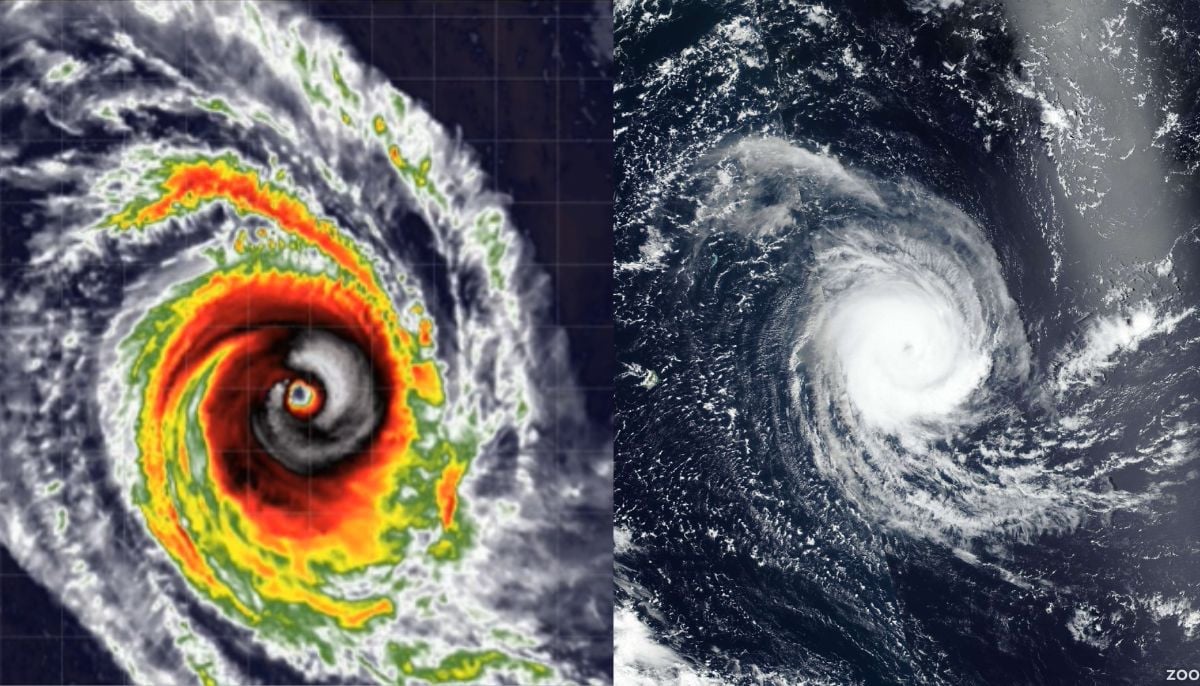

Tropical Cyclone Horacio has just strengthened into Category 5, the strongest type of storm. It is the first storm anywhere in the world to hit this intensity in 2026.
The cyclone has formed over the South Indian Ocean, demonstrating high wind speed reaching 161 mph.
Recent forecast
According to the latest forecast issued on Tuesday by the US Joint Typhoon Warning Center (JTWC), Tropical Cyclone Horacio is moving south-southwest over open waters east of Madagascar with sustained wind speeds of 161 mph (259 km/h).
Recent satellite imagery also showed a compact and highly symmetrical cyclone with a definite eye.

As per JTWC, the cyclone is strengthening because of certain favourable conditions:

Warm water: The ocean temperature, which is about 27-28 degrees celsius, acts as fuel for the storm.
Moderate wind shear, meaning there are not enough strong crosswinds to break the storm apart and reduce its intensity.
The storm is also able to breathe well because of strong upper-level outflow, helping it maintain its power.
Warning and risks
Cyclone Horacio is far from any land, however it poses risk to those who are nearby the marine ecosystem.
The Mauritius Meteorological Service issued a heavy swell warning for Rodrigues, a small island located about 350 miles east of the main island, at 4:30 a.m. Tuesday, valid until early Wednesday.
According to forecasters, Horacio-generated swell would be capable of producing waves as high as 7 meters beyond the reefs. These swells will impact both low-lying coastal areas and lagoons.
Which countries will be affected?
Although Horacio has formed in the South Indian Ocean, it poses no direct threat to India and other nearby countries. However, Mauritius issued an advisory, urging vessels to avoid the region.
Climate change, main culprit?
According to scientists, climate change is responsible for warming the oceans, leading to stronger tropical cyclones. The warmer sea surface temperatures provide favourable conditions for strong storms.
But, not every cyclone is caused by climate changes as other factors also influence the cyclone strength.