

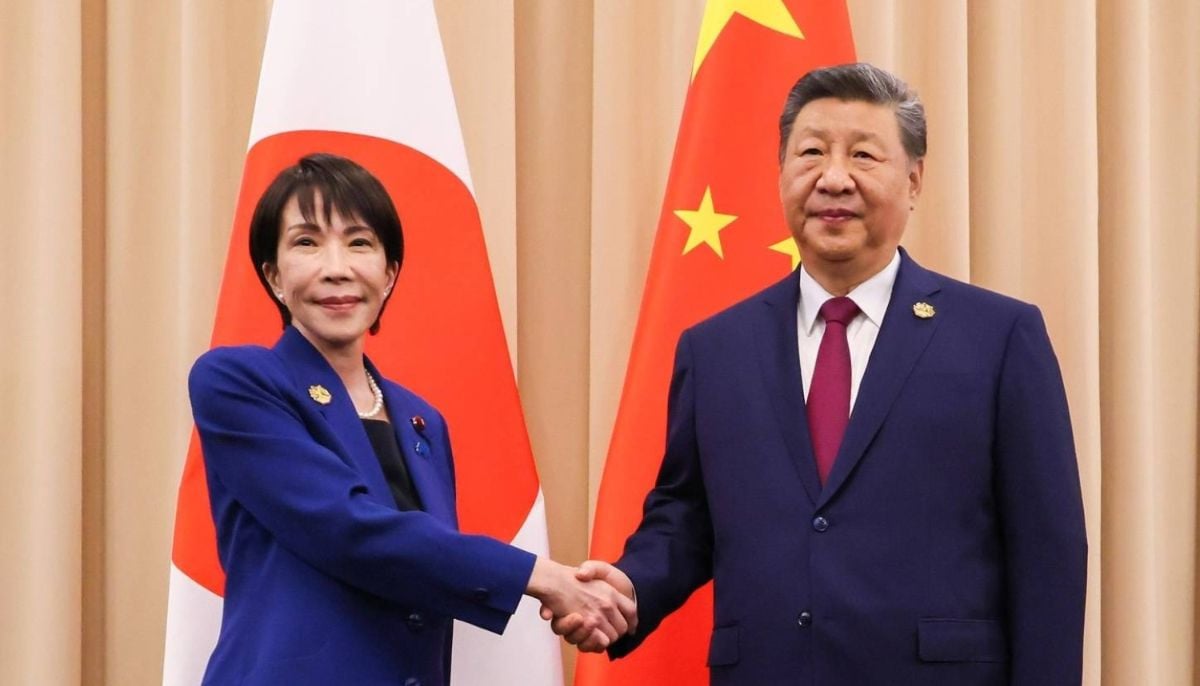

Japan’s 2026 Diplomatic Bluebook will officially lower the description of ties with China from “one of its most important “to simply an “important neighbor” while retaining the terms strategic and mutually beneficial. This revelation follows a year of heightened tensions, including radar lock-ons by Chinese forces against Japanese aircraft and increased Chinese military pressure surrounding Taiwan.
Relations deteriorated sharply after Prime Minister Sanae Takaichi suggested Japan could deploy its military if a Chinese move against Taiwan threatened Japanese territory-a stance US intelligence describes as a sharp departure from previous leaders. This shift underscores a decline in ties that has become entrenched since November, when Takeuchi angered Beijing with her remarks about neighboring Taiwan.
In response to Takaichi’s rhetoric, Beijing has reimposed restrictions on Japanese seafood, discouraged tourism to Japan, and enacted export controls on rare earths and critical minerals. During a recent White House meeting with President Trump, Japan and the US launched a joint action plan to secure supply chains for critical minerals, specifically aiming to reduce global dependency on China.
Nonetheless, this year Bluebook does not more than describe a difficult year; it sets a permanent new baseline. Japan is signaling to the world that it no longer views its relationship with China as a special partnership to be preserved at all costs, but rather as a high-risk management exercise between two prominent rivals.