


Since the onset of hostilities on February 28, over 2,000 lives have been lost.
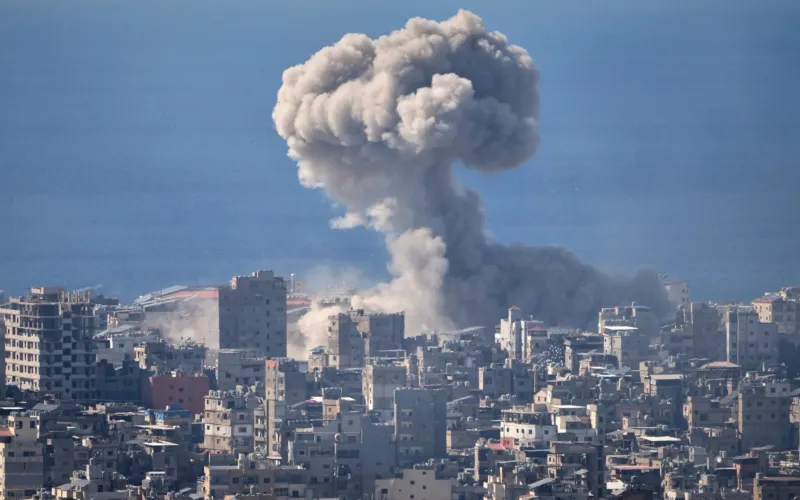
Tensions in the Middle East have escalated sharply as the Israeli military launched strikes against Iran and Hezbollah targets in Beirut on Saturday. The attacks come amid increased U.S. military presence in the region, with thousands of Marines being deployed to the Middle East to support ongoing operations.
Since the onset of hostilities on February 28, over 2,000 lives have been lost, with concerns mounting that the conflict could expand further. Israel reported targeting Hezbollah in Beirut, marking the deadliest spillover from the Iran war since Hezbollah’s support for Tehran began in early March.
Additionally, Israel launched new airstrikes on Iran’s capital, Tehran.

International responses are growing more urgent. Germany and France have expressed readiness to assist in reopening the Strait of Hormuz, a vital conduit for around 20% of global oil and liquefied natural gas supplies, which has been effectively closed due to the conflict.

Oil Prices Surge 50%
The war has already caused significant economic repercussions, with oil prices surging 50%, threatening a global economic shock. Major corporations, including United Airlines, announced plans to cut flights by 5% in anticipation of prolonged higher fuel costs.

U.S. President Donald Trump criticized NATO allies over their reluctance to help reopen the strait, calling them “cowards” amid ongoing fighting.
The conflict’s escalation continues to threaten stability in the region and impact the global economy, with the potential for further developments in the coming days.