
The temporary closure and heightened military activity have unsettled energy markets.
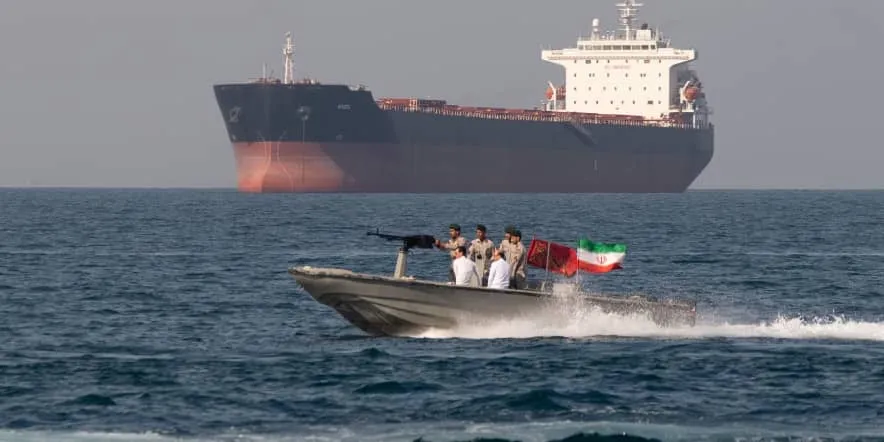
Iran shut down the Strait of Hormuz on Tuesday, according to Iranian state media, raising concerns over the security of one of the world’s most crucial oil export routes.

The closure marks the first time since U.S. President Donald Trump’s 2018 threats of military action that Iran has taken such a step in the Strait, a key choke point where approximately 13 million barrels of crude oil transited daily in 2025, around 31% of global seaborne crude flows.

Iran’s military exercise, dubbed “Smart Control of the Strait of Hormuz,” aimed to bolster Iran’s operational readiness and deterrence capabilities. The move occurred amid ongoing diplomatic negotiations in Geneva, where Iran and the United States are engaged in talks to resolve disputes over Tehran’s nuclear program.
The waterway, which connects Middle Eastern oil producers to global markets, was partially closed for a few hours under the guise of “security precautions” during military drills conducted by Iran’s Revolutionary Guards.

Iranian Foreign Minister Abbas Araghchi stated that the two sides had reached an understanding on “guiding principles,” though he emphasized that no comprehensive agreement was imminent and further work remains.
The temporary closure and heightened military activity have unsettled energy markets, with oil prices experiencing volatility. Brent crude futures for April delivery fell 1.8% to $67.48 per barrel, while U.S. West Texas Intermediate futures declined 0.4% to $62.65.