


ACROSS Pakistan, the stories that shape this Human Rights Day unfold quietly in homes, settlements, villages, neighbourhoods where rights become urgent needs. In these places, girls are sometimes withdrawn from school long before adulthood. Women weigh the risk of reporting abuse against the danger of staying silent. Families negotiate impossible choices shaped by economic hardship, honour, patriarchy, or fear.
This year, however, Pakistan enters Human Rights Day with a shift both significant and delicate. The country has taken formidable steps acknowledging long-standing harm. Balochistan passed a law prohibiting child marriage, setting the minimum age at 18 years. Islamabad enacted its own child marriage restraint law earlier this year. Most recently, Pakistan’s parliament adopted the Domestic Violence (Prevention and Protection) Bill, 2025, defining abuse in its full breadth and recognising at a federal level that violence inside the home is not a private matter but a public concern.
These measures arise directly from the experiences of women and children who have carried the weight of silence for decades. The significance of these laws lies in what they validate. For years, human rights organisations, health professionals, feminists and educators have documented the consequences of early marriage: girls forced into adulthood before their bodies or minds are prepared; interrupted schooling; increased health risks. Likewise, studies on domestic violence have shown how women face cycles of harm that leave lasting consequences.
By passing these laws in 2025, the state has acknowledged truths that survivors have voiced for years: that a child is not ready to be a bride; that abuse does not require visible injury; that silence is not consent. Yet legislation, no matter how well-crafted, does not dismantle the forces that produced these harms. The challenges are structural. The under-registration of births makes age difficult to verify. Poverty pushes families towards early marriage for survival. Social norms in many areas treat domestic control as customary. The justice system often responds slowly. Survivors fear police inaction, institutional lag, sometimes community backlash. Shelters are limited and under-resourced. Counselling services are scarce. Referral pathways remain unclear.

Human Rights Day should continue to focus on what remains at stake and not solely on what has been achieved.

Patriarchy also shapes the basic documents that orient family life. Nearly 90 per cent of nikahnama forms in the country leave key sections blank: age, the right to divorce, maintenance, erasing rights before a marriage even begins. This is a cultural logic that disregards the entitlements of women. The struggle is therefore not only against individual harm but also against a social order that normalises the erosion of women’s autonomy long before the law is invoked.
These realities have been documented for years and they explain why the distance between the law and lived experience has remained so wide. Implementation of the law must therefore be the focus of any honest conversation today. With commitment, these new laws could shift daily life in tangible ways — by keeping girls in school, enabling intervention when a child is at risk, reshaping police responses so that domestic violence is treated as a rights violation rather than as an interpersonal dispute, and by strengthening shelters and referral systems so that the survivors are met with protection rather than indifference.

More importantly, these laws create room to think differently about what is possible. They let us imagine girls being valued for their futures rather than exchanged for honour or debt; survivors met with support rather than dismissal; communities that understand safety as collective work. This kind of shift has been achieved elsewhere when legal reform, public education, and community organising move together. When political will meets social effort, change becomes tangible.
Human Rights Day should therefore continue to focus on what remains at stake and not solely on what has been achieved. The progress of 2025 is meaningful but it remains fragile. Without investment in enforcement, training, social services, and public awareness, the laws risk becoming symbolic rather than transformative. Without data collection, monitoring, and accountability, the country will not know whether the promises made this year are being kept. Without sustained attention, the momentum could fade, leaving the most vulnerable exactly where they were before.
So we need to build systems that ensure implementation. Train police officers, prosecutors, judges, protection officers. Strengthen shelters and counselling services. Support teachers and community workers who confront early marriage and domestic abuse in their daily work. Improve registration systems so that age cannot be manipulated. Engage communities respectfully, recognising that lasting change cannot be imposed but must be built through trust and a shared understanding.
The progress made this year offers a reason to believe that a different future is possible. The laws passed in 2025 should be understood as the beginning of that future. Their measure will be whether girls are able to complete their education; whether survivors are able to seek help without fear; whether communities feel empowered to protect rather than control; whether safety and dignity become expectations, and not exceptions.
This Human Rights Day, we stand at a crossroads where legislation has opened up pathways that were previously blocked. The responsibility now is to walk those pathways with seriousness, empathy, and resolve. The country has taken steps that honour the lives of those who waited too long for recognition. The challenge ahead is to ensure that these steps lead to lasting change.
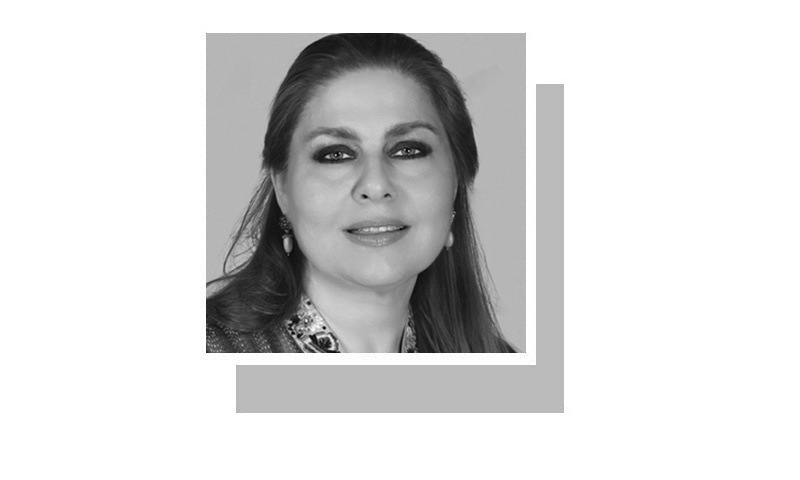
The writer is the chairperson of the National Commission for Human Rights.
Published in Dawn, December 10th, 2025