
In Pakistan, rice is not just a food item. It is a staple of daily life. From breakfast to dinner, and from north to south, rice is consumed in various forms across the country. However, with growing health awareness, a common question arises: Is brown rice healthier than white rice?
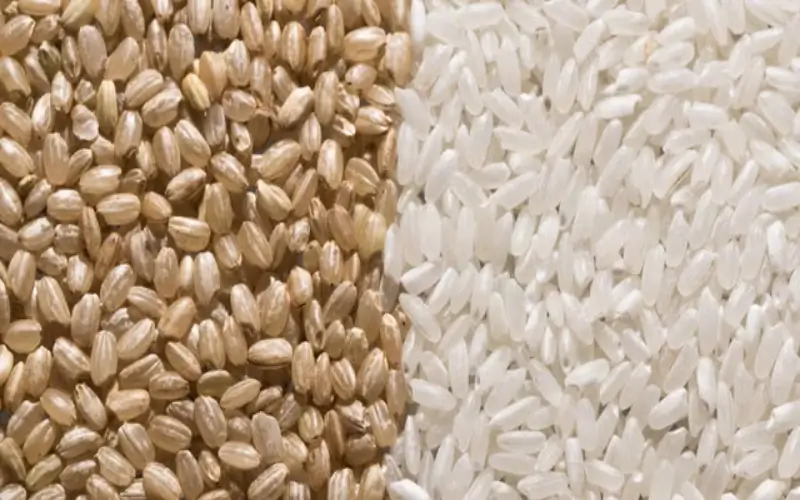
The main difference between brown rice and white rice lies in their processing. Brown rice is unpolished and retains its outer layers, the bran and germ. These layers are rich in natural nutrients, which makes brown rice more nutritious. White rice, on the other hand, is fully polished. While this process gives it a cleaner appearance and softer texture, it also removes many essential nutrients.
Health Benefits of Brown Rice
Brown rice is widely regarded as the more nutritious option. It contains a higher amount of dietary fiber, which helps improve digestion and keeps you feeling full for longer. This makes brown rice a good choice for people trying to manage or lose weight.

It is also rich in important minerals and vitamins such as magnesium, phosphorus, and B vitamins, which support energy production, bone health, and overall metabolism. Another major advantage of brown rice is its lower glycemic index (GI). This means it raises blood sugar levels more slowly, making it a safer option for people with diabetes or those trying to control blood sugar spikes.

Benefits of White Rice
White rice, despite being less nutritious, still has its own advantages. It is easier to digest and cooks faster, which makes it suitable for people with sensitive digestive systems, the elderly, or patients recovering from illness.
White rice also provides quick energy, which can be beneficial for people involved in heavy physical labor or those who need an immediate energy boost. However, due to its low fiber content, it can cause rapid spikes in blood sugar levels and does not keep you full for long.
Which One Should You Choose?
The choice between brown and white rice depends on your health needs and lifestyle. If you are focused on long-term health, weight management, or blood sugar control, brown rice is generally the better option. If you need something light, easy to digest, or quick energy, white rice may be more suitable.
In the end, moderation and balance matter most. Including both types of rice in your diet based on your body’s needs can help you enjoy the benefits of each while maintaining a healthy lifestyle.