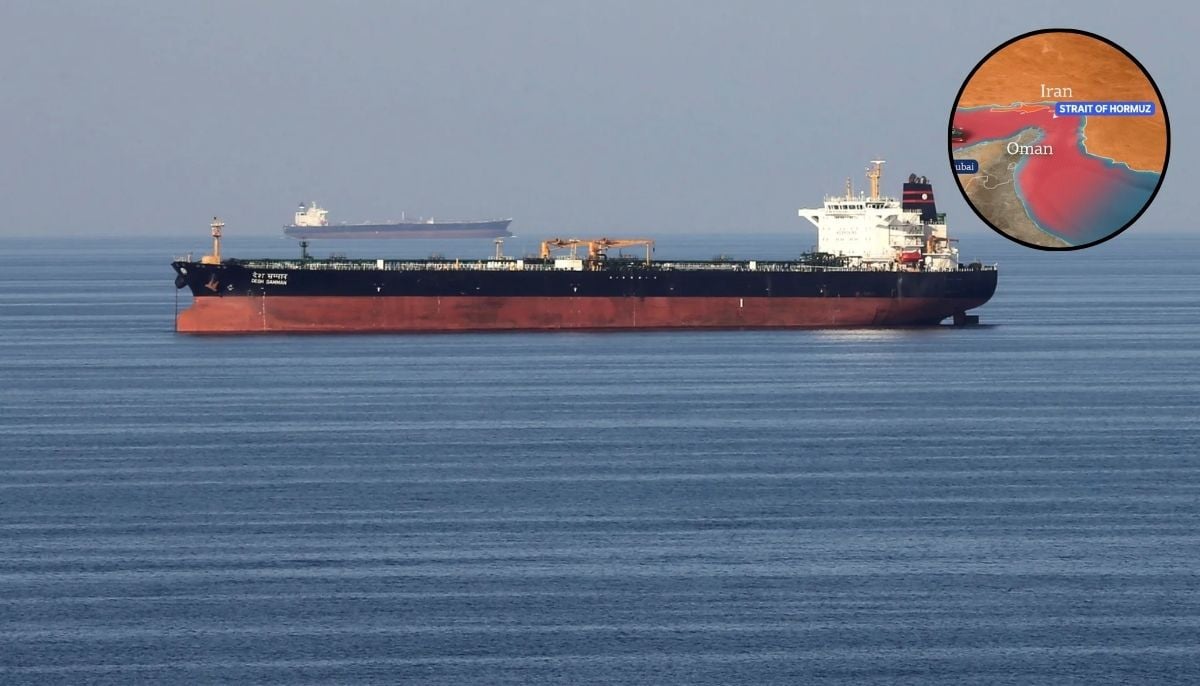

The Strait of Hormuz crisis is expected to take a toll on global food security, food prices, and global fertiliser supply chain as conflict escalates in the Middle East.
In the global economy, the Strait of Hormuz which lies between Iran and Oman holds a significant importance as two-fifths of oil and between a quarter and a third of the global trade in the raw materials for fertiliser passes through this strategically important chokepoint.
Recently, Iran has threatened to close the strait as US and Israel intensified missile strikes.
The Gulf region houses some of the biggest fertilizer plants on Earth. If transportation stops for a long time, it could slow down production and make prices go up.

Iran is currently the world’s fourth-biggest exporter of urea (the most common type of nitrogen fertilizer), following Russia, Egypt, and Saudi Arabia.

The 45 percent supply of sulphur also comes from the Middle East, a key product in fertiliser production.
The de facto closure of the passageway is affecting the trade of nitrogen and ammonia, which are important in the production of fertilisers and food products.

As a result of conflict-driven shortage would not only jeopardize food security but also cause an alarming uptick in global food prices, such as pasta, bread and potatoes.
Against the backdrop of conflict, the prices of fertilisers have already spiked. The Egyptian urea prices have increased by more than 25 percent, reaching $625 (£467) a metric tonne, up from $484-$490 last week, according to CRU Group, a consultancy which tracks commodity prices.
According to Chris Lawson of CRU, “While there are many parallels to 2022, the supply and demand implications of the conflict in the Middle East have the potential to be much more severe and wide ranging, particularly if the strait of Hormuz is restricted for longer than two weeks.”
The shortage in the fertilizer supply chain will exacerbate the plight of farmers in Europe, the UK, and North America, who have just started to plant spring crops.