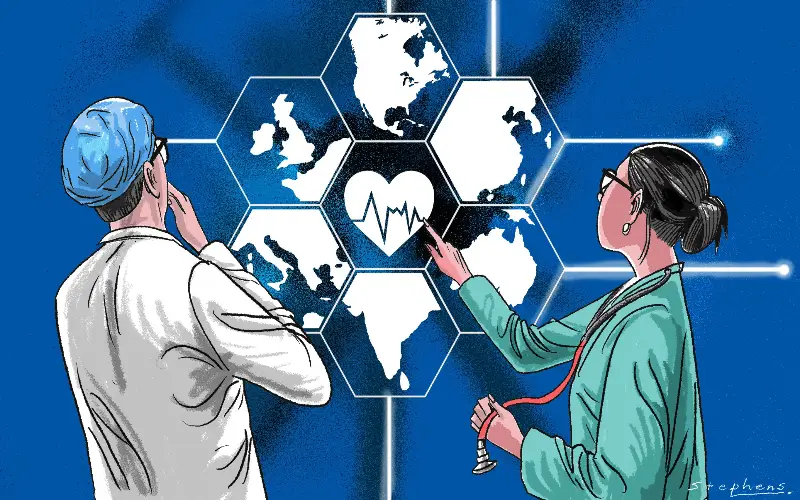

Global health challenges in the 21st century have become more complex and widespread than ever before. Rapid globalization, population growth, urbanization, and environmental changes have created new health concerns while also worsening existing ones. These challenges affect millions of people around the world and require strong cooperation between governments, healthcare systems, and international organizations. Addressing global health issues is essential for improving the quality of life and ensuring a healthier future for all.
One of the major global health challenges is the spread of infectious diseases. Diseases such as COVID-19, tuberculosis, malaria, and HIV/AIDS continue to affect large populations worldwide. The COVID-19 pandemic showed how quickly a disease can spread across countries and disrupt healthcare systems, economies, and daily life. Many developing countries still struggle with limited medical resources, lack of vaccines, and weak healthcare infrastructure, which makes controlling infectious diseases more difficult.
Another major concern in the 21st century is the rise of non-communicable diseases (NCDs). Conditions such as heart disease, diabetes, cancer, and respiratory diseases are becoming more common due to unhealthy lifestyles. Poor diet, lack of physical activity, smoking, and excessive alcohol consumption contribute significantly to these diseases. Non-communicable diseases are responsible for a large percentage of deaths globally and place a heavy burden on healthcare systems.
Mental health has also become an important global health issue. Many people around the world suffer from stress, anxiety, depression, and other mental health conditions. Modern lifestyles, social pressures, economic difficulties, and global crises have increased mental health problems in many societies. Unfortunately, mental health services are still limited in many countries, and stigma often prevents individuals from seeking professional help.

Climate change and environmental pollution are also serious threats to global health. Rising temperatures, extreme weather events, and air pollution can lead to respiratory diseases, heat-related illnesses, and the spread of certain infections. Poor air quality in many urban areas has become a major health risk. Additionally, lack of access to clean water and proper sanitation continues to cause waterborne diseases in many parts of the world.

Another significant challenge is the inequality in healthcare access between developed and developing countries. Many communities lack basic healthcare services, trained medical professionals, and essential medicines. Poverty and limited resources make it difficult for people to receive proper treatment and preventive care. Improving healthcare systems, investing in medical infrastructure, and ensuring equal access to healthcare services are important steps in addressing this issue.
Advances in medical technology have improved healthcare in many ways, but they also present new challenges. The high cost of advanced treatments and medicines can make them inaccessible for many people. In addition, antibiotic resistance has become a growing global concern, as the overuse and misuse of antibiotics reduce their effectiveness in treating infections.

Global health challenges in the 21st century include infectious diseases, non-communicable diseases, mental health problems, environmental threats, and unequal access to healthcare. Addressing these challenges requires international cooperation, strong healthcare systems, public awareness, and investment in medical research. By working together and promoting healthier lifestyles, societies can overcome these challenges and create a healthier world for future generations.