


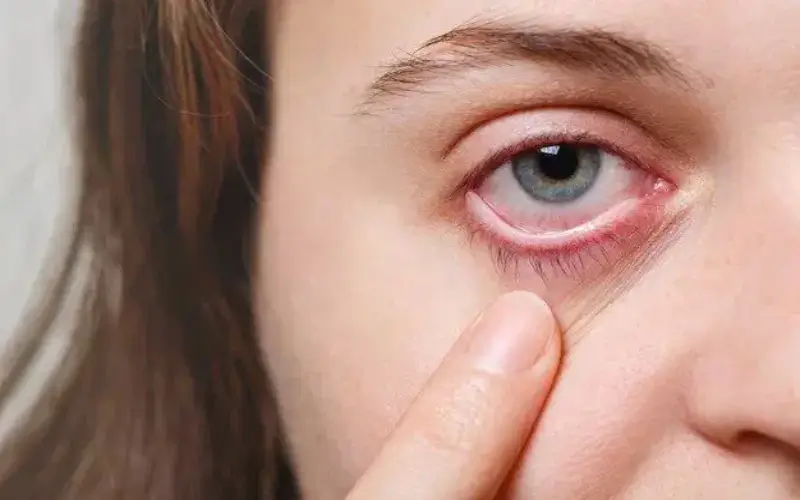

Dry eyes are a common condition that affects people of all ages.
Dry eyes are a common condition that affects people of all ages. It happens when the eyes do not produce enough tears or when the tears evaporate too quickly. Tears are very important because they keep the eyes moist, clean, and comfortable. When the eyes become dry, they can feel irritated and uncomfortable, and in some cases, the condition may affect vision.
Symptoms of Dry Eyes
Dry eyes can cause several uncomfortable symptoms. The most common symptom is a feeling of dryness or irritation in the eyes. Many people also experience redness, itching, and a burning sensation. Some individuals may feel like there is something stuck in their eye, even when there is nothing there. Blurred vision is another common symptom, especially after long periods of reading or using a mobile phone or computer. In some cases, the eyes may become sensitive to light, and excessive tearing may also occur as the eyes try to protect themselves from dryness.

Causes of Dry Eyes

There are many reasons why dry eyes occur. One of the main causes is aging. As people grow older, their eyes produce fewer tears. Spending too much time in front of screens such as mobile phones, laptops, and televisions can also lead to dry eyes. Environmental factors like dust, smoke, wind, and air conditioning can make the condition worse. Certain medical conditions such as diabetes, thyroid problems, and allergies may also contribute to dry eyes. In addition, wearing contact lenses for long hours or using certain medications can reduce tear production and cause dryness.
Diagnosis of Dry Eyes

Doctors usually diagnose dry eyes by examining the patient’s eyes and asking about the symptoms. They may check how quickly tears are produced and how long they stay on the surface of the eye. In some cases, special tests are used to measure tear production and detect any damage to the eye surface. Early diagnosis is important because untreated dry eyes can lead to more serious eye problems over time.
Treatment of Dry Eyes
Treatment for dry eyes depends on the severity of the condition. In most cases, doctors recommend artificial tears or eye drops to keep the eyes moist. These eye drops are easily available and can provide quick relief. People with more severe dry eyes may need special medicated eye drops or ointments. Doctors may also suggest taking breaks while using screens and avoiding environments that can worsen dryness. In some cases, warm compresses and proper eye hygiene can also help improve the condition.
Prevention of Dry Eyes
Preventing dry eyes is possible by following a few simple habits. Reducing screen time and taking regular breaks while using digital devices can protect the eyes. Drinking enough water and maintaining a healthy diet can also improve eye health. Wearing sunglasses in dusty or windy environments helps prevent irritation. It is also important to avoid rubbing the eyes and to get regular eye checkups. By taking proper care of the eyes, people can reduce the risk of dryness and keep their vision healthy.