


Corporate Pakistan sees recent diplomatic gains lifting the country’s global standing and expect this to translate into tangible economic relief.
Businesses here remain cognizant of the risks but are still identifying opportunities amid shifting global dynamics and persistent volatility. They are wary of populist relief measures that may backfire and instead call for long-term, investment-friendly policies to enable wealth creation and sustainable, inclusive growth.
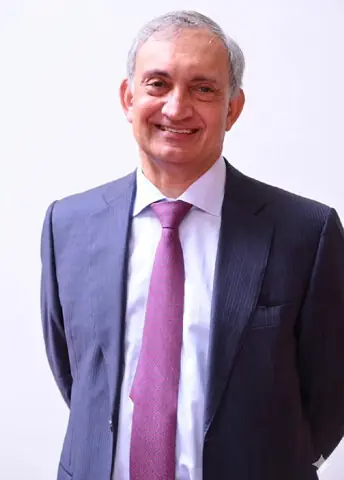
These views were shared by Javed Kureishi, CEO of the Pakistan Business Council (PBC), in an exclusive interview covering global shifts, economic impact, digital transformation, and industry challenges. An economist and seasoned banker, with early roots in Pakistan’s under-19 cricket team, Mr Kureishi brings diverse international experience across Asia, Europe, Africa and middle East. He aims to foster a corporate culture that drives productivity, global competitiveness, and adherence to ethical standards.
He responded in writing to a set of pointed questions. The text is reproduced below.

Q. Turbulence brings both risks and opportunities. Have your members identified new openings — especially in the maritime sector/ port operations — and are they ready to capitalise?

A. It is too early to identify opportunities as there is significant uncertainty. Members are assessing risks to Pakistan from potential energy shortages, increased prices, rising inflation and interest rate hikes, developments that could be deeply damaging, especially for the common man. There is, however, strong hope that Pakistan’s enhanced stature as a possible mediator will bring some form of financial relief. Preliminary discussions have also explored potential trade gains from opening up with Iran, with the PBC likely to conduct a detailed study in the second half of 2026.
There is now clear expectation that the government’s role will translate into economic concessions, IMF tax relief, improved US export access, and Saudi support

Q. Could current conditions reverse capital outflows and encourage Pakistani investment from the Middle East to return?
A. A lot will depend on how the Middle East situation unfolds. The UAE’s reputation as a safe investment haven may take time to recover. For Pakistan to benefit, it must actively attract returning capital by reducing corporate and personal taxes, especially super tax, intercompany dividend taxes and capital value tax, and ensuring consistent, transparent, and predictable policies. Ultimately countries that move quickly in times of disruption are the ones that gain.
Q. What are the three biggest challenges facing corporate Pakistan today?
A. The foremost challenge is a deep trust deficit between tax authorities and the formal business sector, creating a complicated, adversarial system that overburdens compliant tax payers. High corporate and personal tax rates deter investment and drive financial and human capital flight, underscoring the need to broaden tax base and simplifying processes.
Second, energy costs at nearly three times higher than regional peers are undermining export competitiveness requiring policy reforms.
Third, persistent losses of state-owned enterprises continue to squeeze fiscal space for tax cuts and essential spending on the infrastructure, health and education sectors.
Additionally, regional instability, including the Afghanistan situation and border closures, is disrupting economic activity and restricting access to Central Asia.
Q. How do your members assess the government’s diplomacy — particularly economic diplomacy — and what should it do to navigate the current phase?
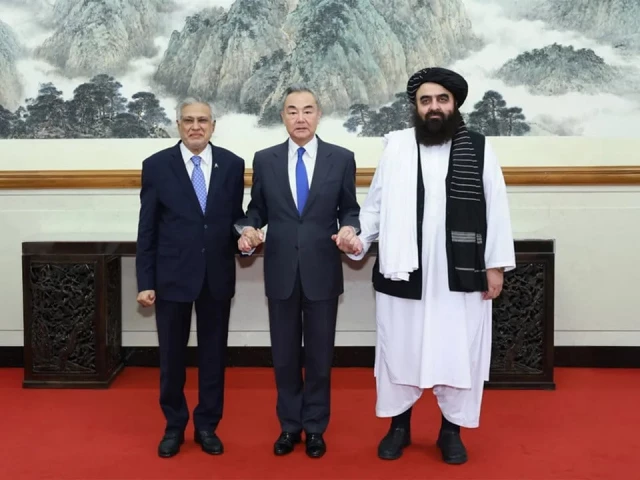
A. The government has delivered strongly on the diplomatic front, improving Pakistan’s global standing. There is now clear expectation that this role will translate into economic concessions, IMF (International Monetary Fund) tax relief, improved US export access, and Saudi support through cheaper oil or fresh funding, ideally without being directly drawn into the conflict.
Q. Some business leaders warn of a post-Eid slowdown driven by rising energy costs and trade disruptions. Do you share this concern?
A post-Eid slowdown is likely, especially if the situation drags on and the oil prices remain high. If fuel price increases are not passed on, it risks triggering a full blown crisis similar to the one three years ago.
Q. As Pakistan advances in digital transformation, are firms prepared to adopt artificial intelligence (AI) while addressing fears of job losses?
A. Probably not. Industry leaders are still largely reactive, with limited focus on long term global or Industry trends. Globally, CEOs devote 30–35 per cent of their time thinking about technology and AI. In Pakistan it is closer to 20pc, perhaps higher in banking. Much of their time is instead consumed by tax-related issues, as noted earlier.
Q. How critical is public trust in the current environment and how are companies working to build and sustain it?
A. The best way to build public trust is for key stakeholders, politicians, bureaucrats, businessmen, and regulators, to work together to deliver sustainable, inclusive growth and prosperity for the people of Pakistan. Without this, the perception that the system serves only a few will persist.
Companies must pay taxes, avoid corrupt practices, uphold strong governance, treat their employees with dignity, invest in their training and meaningfully contribute through corporate social responsibility spending.
The government, in turn, must prioritise infrastructure and ensure transparent, consistent and fair economic policies that work for the betterment of the country and its people.
Published in Dawn, The Business and Finance Weekly, April 6th, 2026