


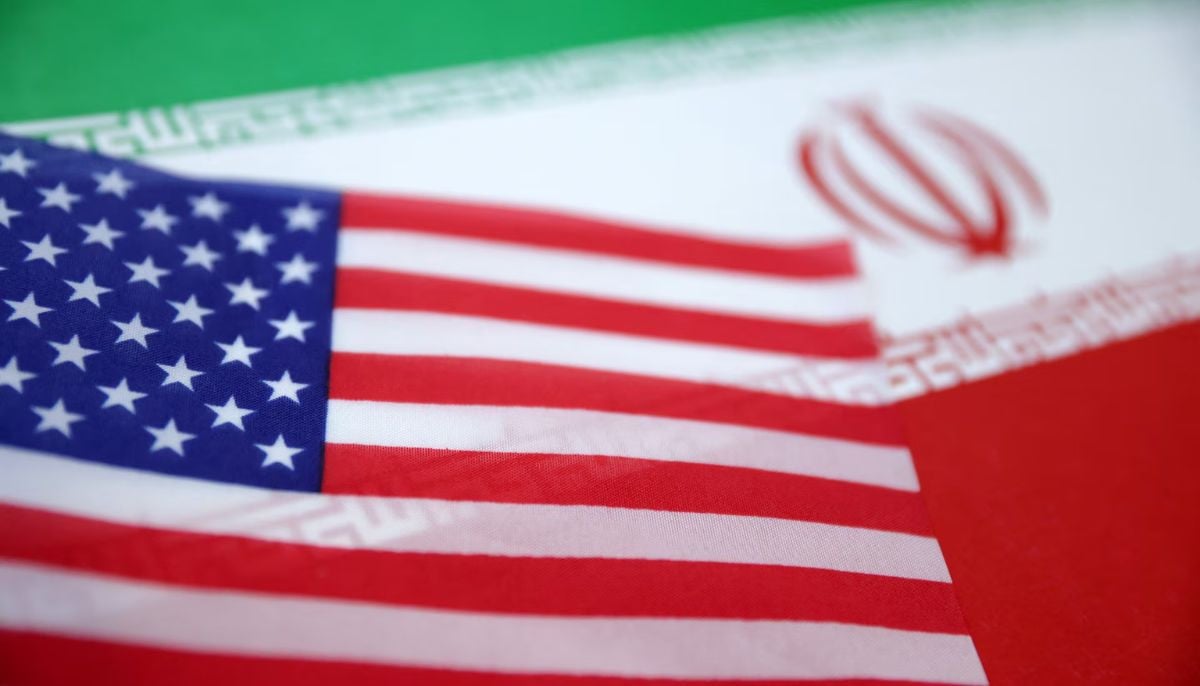
A two-week ceasefire between the United States and Iran is raising cautious optimism across global markets as investors reassess the impact of recent conflict on the Middle East’s technology sector.
Government authorities, technology enterprises, and financial backers throughout the region face challenges which impact their data centre operations, semiconductor manufacturing processes, and artificial intelligence system development activities.
This week, geopolitical instability and changing investment patterns have caused market movements throughout the Middle East and Europe and Asia.
The temporary ceasefire has decreased immediate hostilities between parties, but people still worry about future disruptions in the area.

After weeks of conflict-related interruptions, analysts report that Middle East AI investments now show decreasing potential for future growth. Supply chains for essential materials, including helium, which chip manufacturers need, have already experienced disruptions.

The Middle East AI investment market now experiences commercial challenges because investors are evaluating their potential financial dangers. Morningstar Chief Equity Strategist Michael Field stated that national security issues will decrease international investment across borders.
The research analyst from Rathbones stated that Simon Lapthorne predicts AI infrastructure projects will experience delays because current conditions create difficulties for organisations which need to develop long-term strategies. The regional market will maintain its demand for AI technologies despite changes to scheduled delivery dates.

Moreover, CSS Insight tech analyst Ian Fogg said higher costs will lead to decreased consumer spending, which will reduce global demand for technology products.
The Gulf sovereign wealth funds are expected to continue to fund local AI and infrastructure projects which will create stable investment streams for the future.
It is important to note that the Middle East AI investment disruption which impacts technology markets inside the region extends its effects to international technology markets. Data centres and semiconductor manufacturing are likely to experience disruptions because of fluctuations in energy prices and delays in supply chains.