


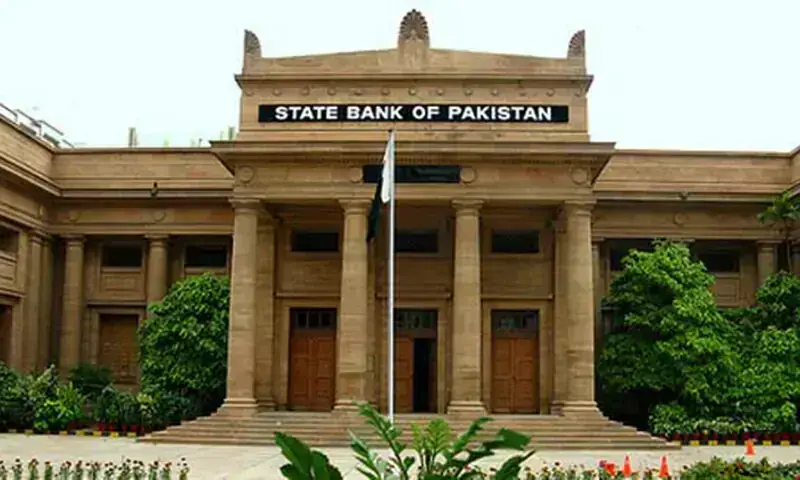

KARACHI: Evolving geopolitical developments in the Middle East could push up global energy and other commodity prices beyond assumed levels, thereby affecting the macroeconomic outlook, warned the State Bank’s biannual Monetary Policy Report (MRR), issued on Monday.
Aligning with the State Bank’s commitment to transparency in monetary policy decisions and the MPC’s reaction function, the SBP issued its biannual MPR. The report analyses macroeconomic developments and the outlook that influenced monetary policy since the January MPC meeting.
The report highlighted climate-related risks, specifically the evolving El Nino conditions and floods, which could adversely affect the economy. Moreover, delays in implementation of structural reforms could further weaken exports, slow productivity gains, and reduce the economy’s capacity to sustain higher growth without generating inflationary and external account pressures, it added.
Mideast conflict may lift energy, commodity prices

The macroeconomic conditions and outlook during the review period have been significantly influenced by evolving geopolitical developments, the report said. The outbreak of the Middle East conflict in late February led to sharp increases in global energy prices and freight and insurance costs, as well as supply chain disruptions, it said.

Despite this significant shock, the macroeconomic outcomes in FY26 turned out broadly in line with the projection ranges announced after the January Monetary Policy Committee meeting, said the SBP.
The report highlighted that the SBP’s prudent monetary policy tightening is helping contain second-round effects of the energy price shock, while keeping inflation expectations of stakeholders anchored.
Meanwhile, the government ensured fiscal discipline by raising domestic fuel prices in a timely manner and by introducing targeted subsidies and austerity measures to conserve energy, the report added. These measures helped moderate aggregate demand and kept demand-side pressures muted.
The report said that inflation is expected to ease and stabilise near the upper bound of the target range towards the end of FY27. Economic growth is expected to pick up and remain in the range of 3.5-4.5pc.
In the external account, the current account deficit is projected to remain within 0-1pc of GDP. This will support continued FX purchases by the SBP and help achieve the FX reserves target of $20.20bn by December 2026. SBP’s FX reserves are projected to rise further by end-FY27, said the report.
The report also discusses multiple risks to the macroeconomic outlook. They relate to an update on the monetary policy transmission mechanism; the central bank’s reaction function when faced with supply-side-driven inflation; the use of different measures of inflation globally and within the SBP; the growing size of open market operations and its implications for monetary policy; and the use of various sentiment surveys to gauge stakeholders’ expectations about different aspects of the economy.
Published in Dawn, August 11th, 2026