




Shipping companies have faced growing security risks as regional conflicts continue to affect major maritime trade.
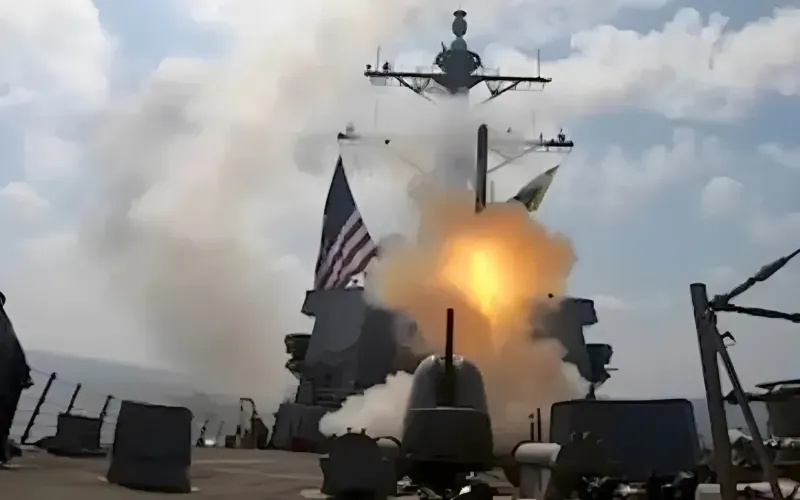
MUSCAT: An LPG tanker was reportedly struck by a U.S. missile in the Gulf of Oman, killing two people and damaging the vessel’s engine room. The reported attack came as another vessel was targeted in the Red Sea, raising concerns over growing security threats to commercial shipping in the region.
Iran claimed the United States mistakenly identified the LPG tanker as an Iranian gas carrier before launching the strike. U.S. officials had not publicly responded to the claim at the time of publication, and the reports could not be independently verified.
The Gulf of Oman is a key shipping route that connects to the Strait of Hormuz, one of the world’s busiest waterways for oil and gas exports. Any disruption in the area can affect global energy supplies and increase concerns about maritime security.

In a separate incident, Saudi state reported that the Saudi vessel NCC Massa was attacked in the Red Sea on Friday. The vessel sustained minor damage during the attack, but no injuries were reported.

Saudi authorities said all crew members aboard the ship were safe and that the vessel continued its voyage after the incident. Officials did not immediately identify those responsible for the attack or provide further details about how it occurred.
The two reported incidents come as tensions remain high across the Middle East, where attacks on commercial vessels have increased in recent months. Shipping companies have faced growing security risks as regional conflicts continue to affect major maritime trade routes.
Security experts say attacks on commercial ships could disrupt global trade, delay cargo deliveries and increase transportation costs if violence continues in key waterways such as the Gulf of Oman and the Red Sea.
Authorities are continuing to monitor the situation while shipping operators remain on alert, governments in the region have also increased efforts to protect commercial vessels traveling through strategic sea lanes.

