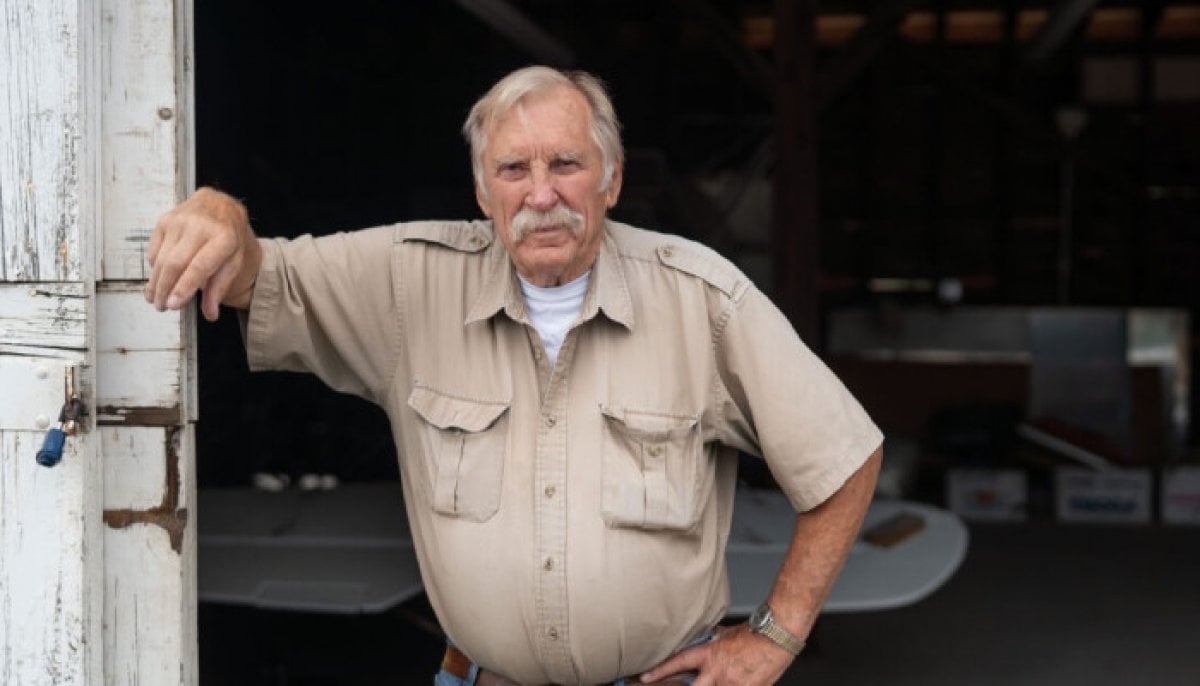

Former government minister Norman Baker criticized the arrangement, saying it isn’t right for the charity to pay such significant sums.
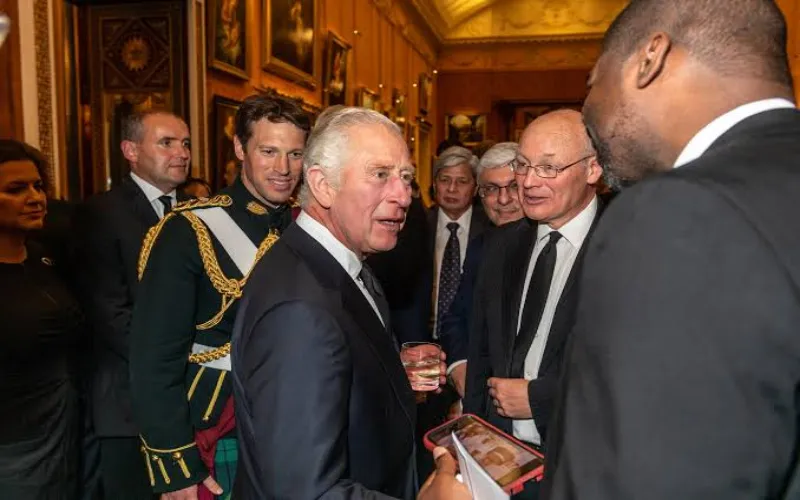
The Royal National Lifeboat Institution (RNLI), anounced on Sunday, 19 July, that King Charles as a patron is paying more than £60,000 annually in rent to the Crown Estate for dozens of its lifeboat stations.
According to a new report that has raised fresh questions about the cost of running life saving services on royal owned land.
The charity is charged annual rent on 43 lifeboat stations and related facilities located across England, Wales, and Northern Ireland.

The single largest payment comes from its busy station near Waterloo Bridge in central London, where the annual rent is reported to be around £31,000.

The report’s findings stand in contrast to a decision made last year by Prince William’s Duchy of Cornwall, which announced it would stop charging rent for six RNLI stations located on its land. That move eliminated more than £10,000 in annual fees, following earlier criticism over the duchy’s finances.
The Crown Estate, however, operates under a different set of rules than the Duchy of Cornwall.
It oversees large portions of Britain coastline and seabed on behalf of the public and is legally obligated to generate income for the national treasury.
The report also states that the RNLI paid £110,000 in 2013 to purchase a small portion of Crown Estate seabed beneath a new lifeboat station at Mumbles Pier near Swansea.
Despite that investment, the station has been closed for more than three years due to safety concerns tied to the pier itself.
Former government minister Norman Baker criticized the arrangement, saying it isn’t right for the charity to pay such significant sums to operate some of its stations.
He suggested King Charles could use his role as patron to push for a different approach or help shield the charity from these costs.
In response, the Crown Estate said it is legally required to deliver value for taxpayers and therefore cannot offer land at a financial loss.