



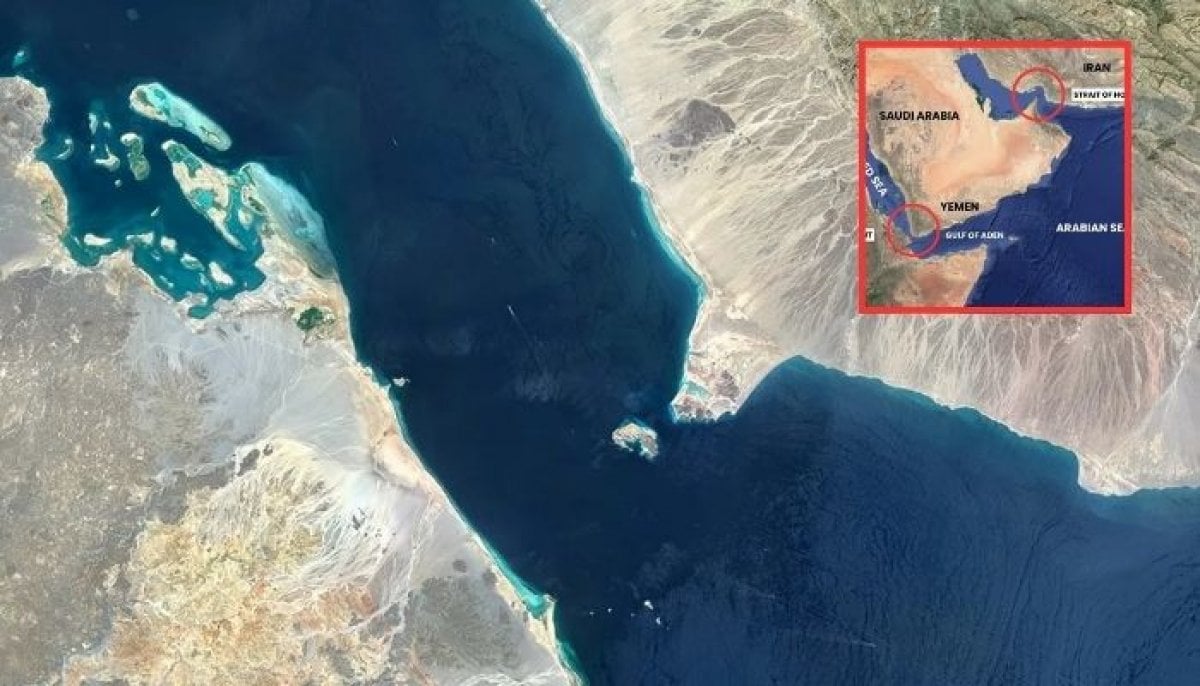

The US and Iran tensions are no longer confined to the Strait of Hormuz. In fact, other vital maritime chokepoints are also at the risk of disruption, raising the fresh fears of disrupting global trade.
In the latest development, Iran’s Islamic Revolutionary Guard Corps has threatened to “close all other export corridors that benefit the US and its allies,” as reported by Iranian state media.
The warning comes after the US reimposed a naval blockade of Iranian port followed by Iran’s move to completely shut down the strategically important Hormuz strait.
“Regional energy exports are either shared by all, or denied to all,” the IRGC said in a statement reported by Iran’s IRNA state news agency on Wednesday.

What vital seaways could be at risk?
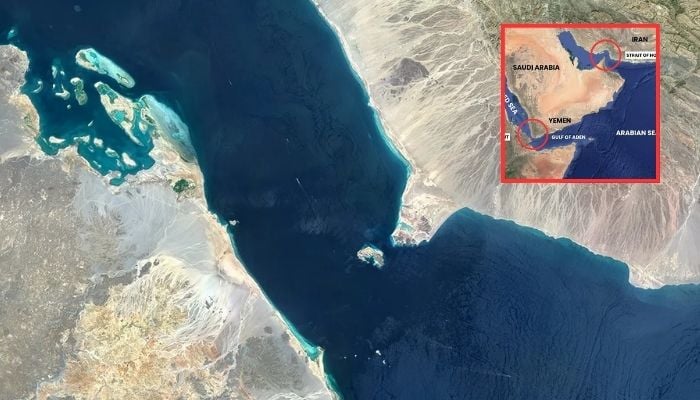
According to analysts, Iran’s potential maritime chokehold target could be the Bab el-Mandeb gateway to the Red Sea. By shutting down this vital seaway, Tehran will open a new front against Washington and further disrupt the global energy and trade supplies.

To leverage its control, Iran may use its Houthi allies in Yemen to shut the Bab el-Mandab. A senior Houthi official has threatened to close the Bab el-Mandeb Strait in response to ongoing Saudi-led military operations in Yemen.
According to a report by Iran’s Press TV, the official warned that such an action could cause global oil prices to surge to $200 per barrel.
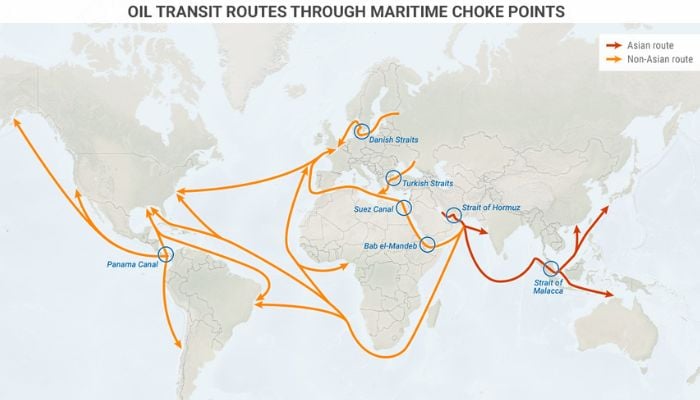
This gateway links the Red Sea to the Gulf of Aden, through which Saudi oil exports and a substantial share of global shipping pass. It also offers the only direct maritime access to the Suez Canal while serving as the primary shortcut for trade between Asia, Europe and East Africa.
As per estimates, approximately 10-12 percent of all international trade passes through this waterway annually.
“If the current situation aggravates, the Bab el-Mandeb Strait and the Strait of Hormuz will be closed in an operational alliance. Oil prices would then skyrocket to $200 a barrel in a dreadful shock,” Mohammed al-Farah, a member of the political bureau of Ansarullah, the Houthi resistance movement, said.
According to Middle East scholar Fawaz Gerges, “Iran is willing to go all the way. Now (Tehran) is escalating both near and wide. The message is that not only Hormuz, but Bab al-Mandab, is at risk.”