



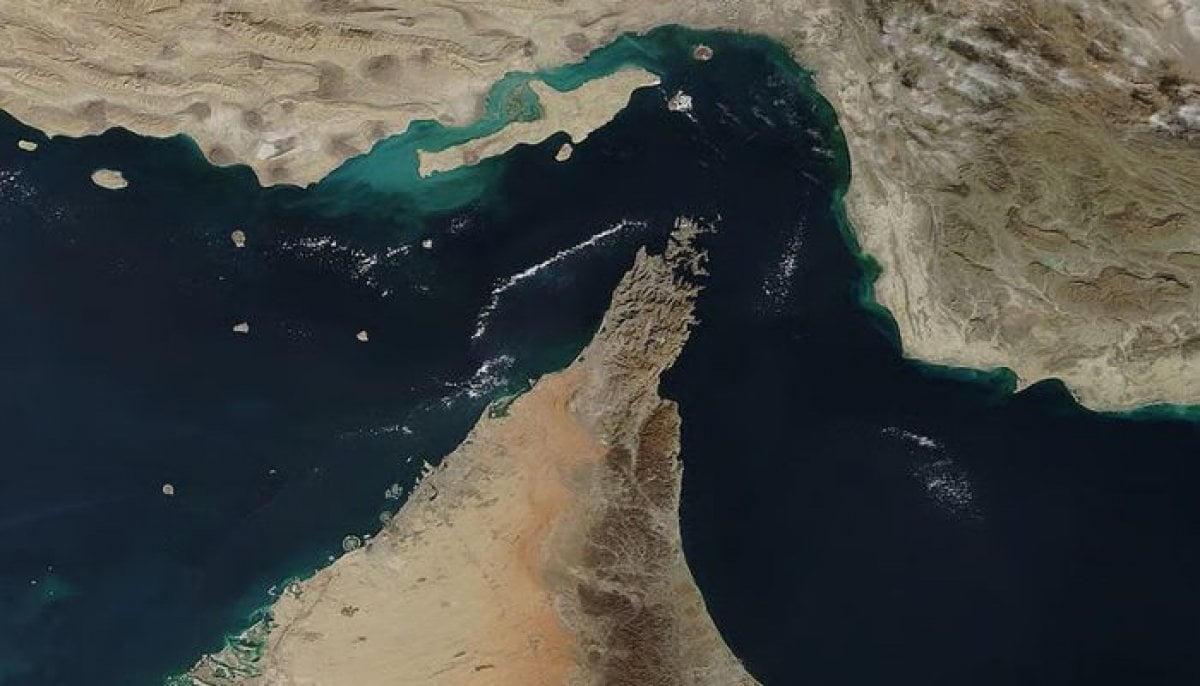

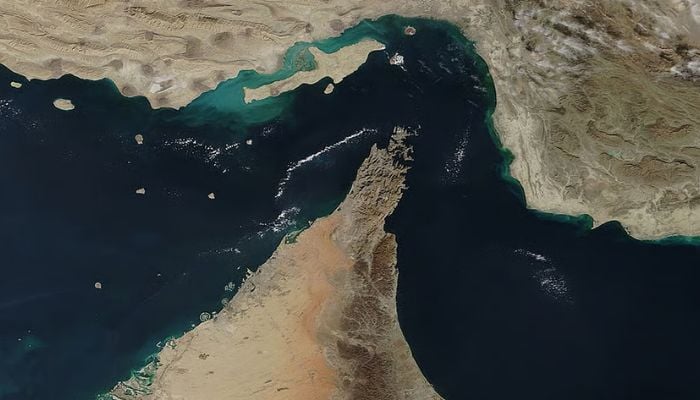
The fragile ceasefire between the US and Iran collapsed further Sunday as Tehran launched strikes against five Gulf nations and shut down the Strait of Hormuz for the second time in weeks, escalating a conflict that has already destabilised regional oil markets.
According to US Central Command, the number of Iranian military targets destroyed in one day is 140, making the total for three days exceed 300. The purpose is to reduce Iran’s capacity to threaten civilian ships in the strait.
Iran retaliated in a more extensive way, targeting an airbase in Jordan, radar in Kuwait, support platforms for aircraft carriers in Oman, and a jet maintenance plant in Qatar. Three people, including a child, were injured in Qatar due to falling shrapnel, while Iran’s missiles damaged civilian facilities in Jordan slightly.
StraHormuz is Hormuz again
Iran’s Revolutionary Guards said they closed the strait after striking a vessel they claimed was on an unapproved route, then disabled a second ship Sunday, declaring the waterway would stay shut “until the end of U.S. interference in this region”.

US Central Command disputed that commercial traffic had actually stopped, saying vessels continue moving through the channel that historically carried a fifth of the world’s oil and LNG shipments.

An Indian national remains missing after an attack on the commercial vessel GFS Galaxy off Oman’s coast, with 10 of 11 crew members rescued so far, according to India’s foreign ministry.
In the UAE, its defences have successfully intercepted any incoming missiles or drones, while sirens were heard in Bahrain. The Sultanate of Oman has reported missile attacks targeting its territories in Musandam. The involvement of Qatar in mediating efforts makes Sunday’s strike on Qatari territory particularly significant because Qatar has previously stated that it will not carry out any mediation while being attacked.
Negotiations have not totally been suspended amid the ongoing conflict shown by a meeting between Iranian Foreign Minister Abbas Araqchi and Omani Foreign Minister Badr Albusaidi for the coordination of shipping operations.
Iran’s top negotiator, Mohammad Baqer Qalibaf, struck a defiant tone on social media, warning that “the era of one-sided deals is OVER”.

