



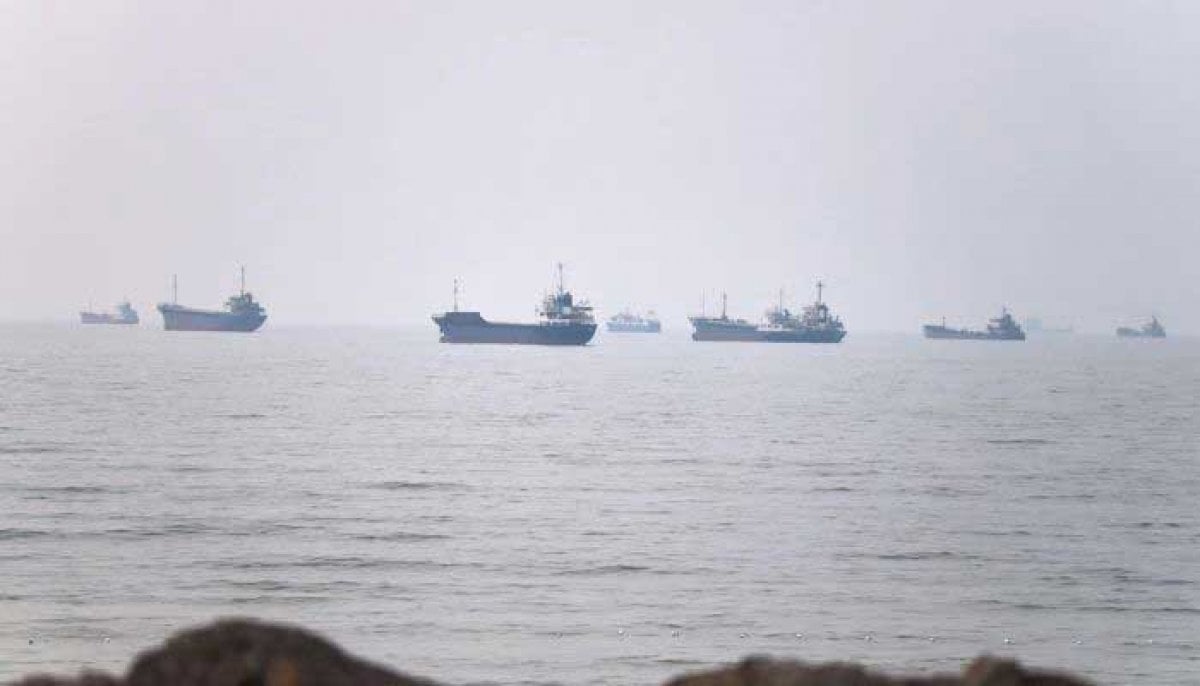

According to a UK-based maritime data firm, shipping through the Strait of Hormuz has plunged following a series of clashes between Iran and the US.
In accordance with Lloyd’s List Intelligence, ship crossings through the US co-ordinated sea lane off Oman came to a standstill in response to the heated confrontation.
President Trump warned Tehran that the attacks could get worse after the American military launched a follow-up strike late on Wednesday, hitting around 90 targets aimed at weakening Iran’s ability to threaten freedom of navigation through the narrow Gulf channel.

The reignited conflict has seen Trump declare an interim ceasefire deal with Iran, after Tehran targeted three tankers in the strait, which has remained a trouble spot in the fragile truce.

“Traffic through the Strait of Hormuz has fallen sharply following the latest escalation between the US and Iran, with traceable vessel transits through the US-co-ordinated Omani lane effectively grinding to a halt,” Lloyd’s List in a post on X.
Iranian deputy foreign minister Kazem Gharibabadi said that the president’s remarks are not a significant sign of power but an admission of major defeat.
Consequently, Prime Minister Keir Starmer has advised a return to the ceasefire and warned UK households bills would be expected to soar unless the situation improves.
At present, ending Tehran’s absolute dominance control which has been a crucial demand in previous negotiations has disrupted global oil and gas supplies and raised fuel and food prices.
The initial deal reached between the US and Iran not only provides for safe and toll-free passage through the chokepoint for 60 days, but it is also subject to definitive ratification of a final agreement regarding Tehran’s disputed nuclear plans.
The pact also leaves it to Iran and Oman in coordination with other Gulf states to “define the future administration and maritime services in the Strait of Hormuz”.
In addition, Iran has persisted in applying pressure over the channel including demanding that ships seek transit authorisation and raising the specter of future charges.

