



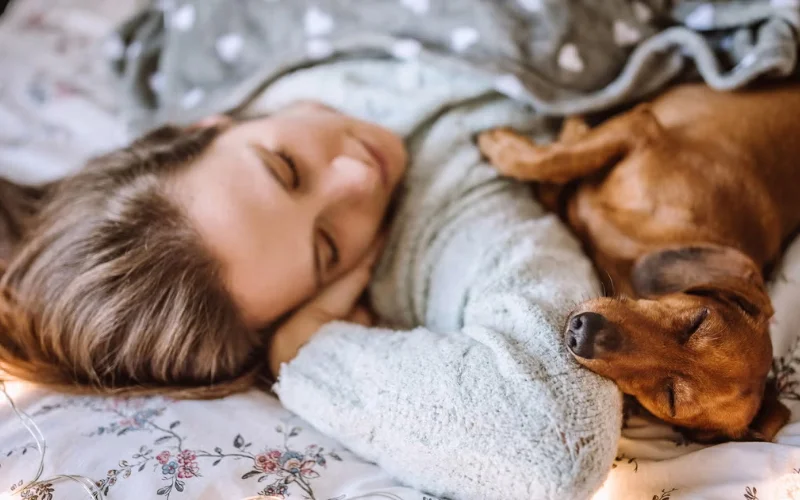

NEW ORK: Nearly half of American pet owners share their bed with a dog or cat, but a recent study suggests the practice may come at the cost of a good night’s sleep.
A 2024 study involving more than 1,500 adults found that people who sleep with their pets reported poorer sleep quality and more severe insomnia symptoms than those who slept alone.
The findings, published in the journal Scientific Reports, remained consistent even after researchers accounted for factors such as age and income.
According to the study, 47.6% of pet owners said they regularly share their bed with a pet, a figure similar to estimates from the American Academy of Sleep Medicine, which puts the number at 46%.

The findings come as pet ownership remains widespread in the United States. Data from the American Veterinary Medical Association shows Americans own approximately 87 million dogs and 76 million cats.

Researchers found that the negative impact on sleep was primarily associated with dog owners. Cat owners, by contrast, did not report significant declines in sleep quality.
Experts suggest dogs may be more disruptive because of their larger size, greater movement during the night and tendency to synchronize their sleep patterns with those of their owners. Even minor movements by a dog can interrupt a person’s sleep cycle.
Despite the findings, many pet owners continue to view co-sleeping positively. Nearly 60% of participants in the study said their pets helped them sleep better, even when objective measures indicated reduced sleep quality.
Previous research from the Mayo Clinic Center for Sleep Medicine found that nearly 41% of patients considered their pet’s presence at night beneficial, while only about 20% reported being disturbed by it.
Health experts note that sleeping with pets can provide emotional benefits. Studies cited by the National Institutes of Health indicate that interacting with pets can lower blood pressure, reduce stress-related cortisol levels and increase oxytocin, a hormone associated with bonding and well-being.
However, medical professionals also point to potential drawbacks, including allergies triggered by pet dander and exposure to illnesses such as cat scratch disease. The American College of Allergy, Asthma and Immunology estimates that pet-related allergens contribute to sleep disturbances among many allergy sufferers.
More read, Late-night sleep patterns may trigger long-term health issues
Researchers say the findings highlight the balance pet owners may need to strike between the emotional comfort of sleeping with a pet and the potential effects on sleep health.

