



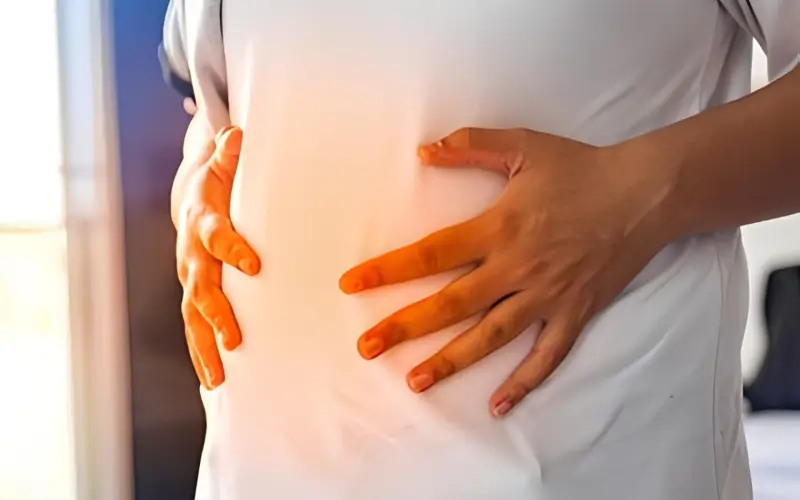

Bloating is a common condition that makes the stomach feel full, swollen and tight, often because of a buildup of gas in the digestive system.
People might confuse bloating with other reasons for a more noticeable belly, such as abdominal wall laxity, or looseness. This is common, especially among older women and those who have had children.
Understanding the difference is important because the treatment for bloating is different from the treatment for abdominal muscle weakness. In people with a toned abdomen, changes caused by bloating can be more noticeable when the stomach or intestines are full of food, gas or stool.
Identifying the actual cause of abdominal swelling can help ensure proper treatment and better management of symptoms.

Causes of Bloating
One common reason for bloating is constipation. Many people may be constipated without realizing it, as having fewer bowel movements than usual is only one sign of constipation. Even if you have regular bowel movements, you may still be experiencing constipation. Other symptoms of constipation include:

-Straining to start or finish a bowel movement
-Stool that looks like rocks and pebbles
-Not feeling empty after a bowel movement
Constipation can contribute to abdominal pain and bloating. The longer your stool stays in your colon, the more time bacteria have to ferment what’s there, resulting in more gas and bloating.
Aside from constipation, other causes of bloating include:
- Gut sensitivity: People with IBS can be extremely sensitive to gas, which can cause pain, cramping and diarrhea.
- Small intestinal bacterial overgrowth (SIBO): Most healthy people have relatively few bacteria in the small intestine. People who have had intestinal surgery and/or IBS with diarrhea are more likely to have SIBO, which can cause bloating.
- Gastroparesis: This condition causes delayed stomach emptying, which can cause bloating, nausea and even bowel blockage.
- Gynecological conditions: Sometimes problems with your ovaries or uterus may cause bloating. Make sure you never skip your annual pelvic exam.
How to Prevent Bloating
The first step in treating and preventing gas and bloating is usually making changes to your diet. Research has shown that a low-FODMAP diet can help reduce symptoms of bloating, gas and Irritable Bowel Syndrome (IBS). This diet limits certain foods that are difficult to digest and can produce excess gas in the digestive system. These include fermentable carbohydrates found in a variety of foods, such as:
-Oligosaccharides, which are found in wheat, onions, garlic, legumes and beans
-Disaccharides, such as lactose in milk, yogurt and ice cream
-Monosaccharides, including fructose (a type of sugar found in fruits and honey), apples and pears
-Polyols or sugar alcohols found in foods such as apricots, nectarines, plums and cauliflower, as well as many chewing gums and candies
For people who are sensitive to foods high in FODMAPs, these carbohydrates are not fully absorbed in the small intestine and instead move into the colon, where bacteria break them down and produce gas. This can lead to bloating and discomfort. To find out whether certain FODMAP foods are causing symptoms, people can try removing them from their diet and then gradually reintroducing them one at a time to identify any problem foods.
In the long term, preventing bloating depends on understanding its underlying cause. If mild constipation is responsible, increasing fiber intake, drinking more water and staying physically active may help. However, these measures may not be effective for chronic constipation. Conditions such as IBS or gastroparesis often require medical treatment, so anyone experiencing ongoing bloating should consult a doctor to determine the cause and receive appropriate care.

