
TL;DR
Pros:
– Show-stealing dynamic between the protagonists
– Heartfelt story with a compelling and original premise
– Pretty, retro visuals and fantastic music

– Lighthearted, silly script to lift the mood

– Surprisingly good autism representation for 2011
– Highly affordable
Cons:
– Actual gameplay is minimal and a bit boring
– Very brief, if that bothers you
– Occasional interfacing glitches
Score: 6.5/7 — A simple, powerful and well-contained short romance
Reviewed on: PC; available on Windows (Steam, GOG, Humble Bundle), Linux, macOS, Android, iOS, and Nintendo Switch.
Price: $5.49 (Steam), $9.99 (GOG, Humble Bundle), $4.39 (Play Store), $4.99 (App Store), $15.11 (Nintendo Store)
With Moon Joy abounding after the success of Artemis II’s recent lunar flyby, I recently revisited an old favourite from my teenage years: To the Moon, written by Kan Gao and developed and published by Freebird Games. I don’t often replay games that aren’t designed for it — this one is straightforward, with only one route and storyline. But it’s so short and sweet that it’s easy to pick up again every now and then, like a well-loved book.
To the Moon was released in 2011 and still holds up. It’s humbly designed with RPG Maker XP, but hones in quickly on telling a sweet, heartfelt story — one you can probably finish in five hours if you take your time.
A trip down memory lane
The game’s premise is this: a technology by the fictional Sigmund Corp can create artificial memories. Instead of immediately turning evil, though, doctors use this technology to enter the minds of the dying, where they make careful memory alterations to create a life in which their patient’s greatest wishes came true, letting them die content.
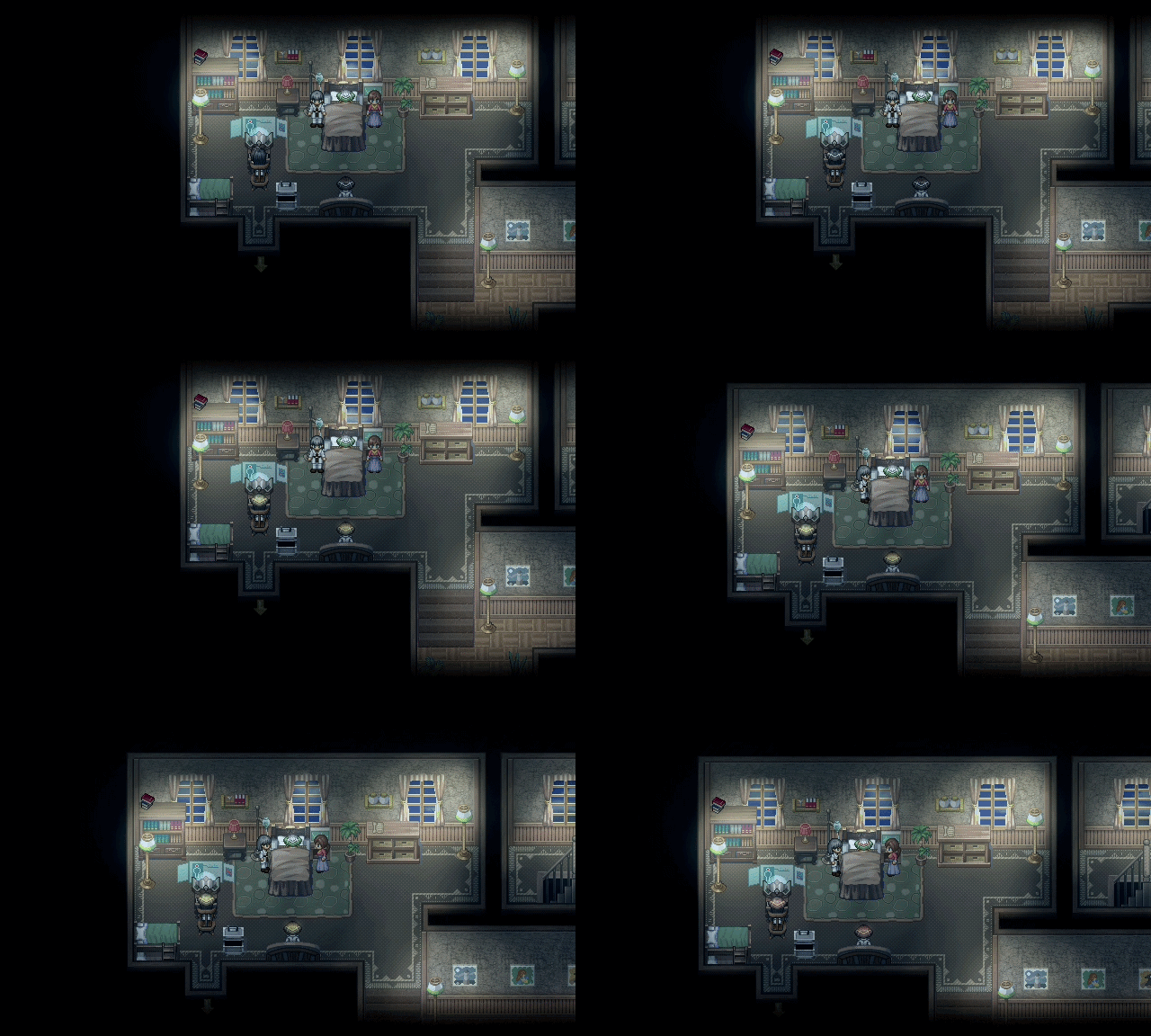
It’s a simple and compassionate idea, executed with mastery in a single case study. Sigmund Corp doctors Eva Rosalene and Neil Watts take on the case of Johnny Wyles, an old man with one foot out the door. His only wish: to go to the moon. The catch? He has no idea why — it’s up to the doctor duo, hopping through his memories across his whole life to figure out his motivations, plant the seed early, and make his dream real (at least, to him).
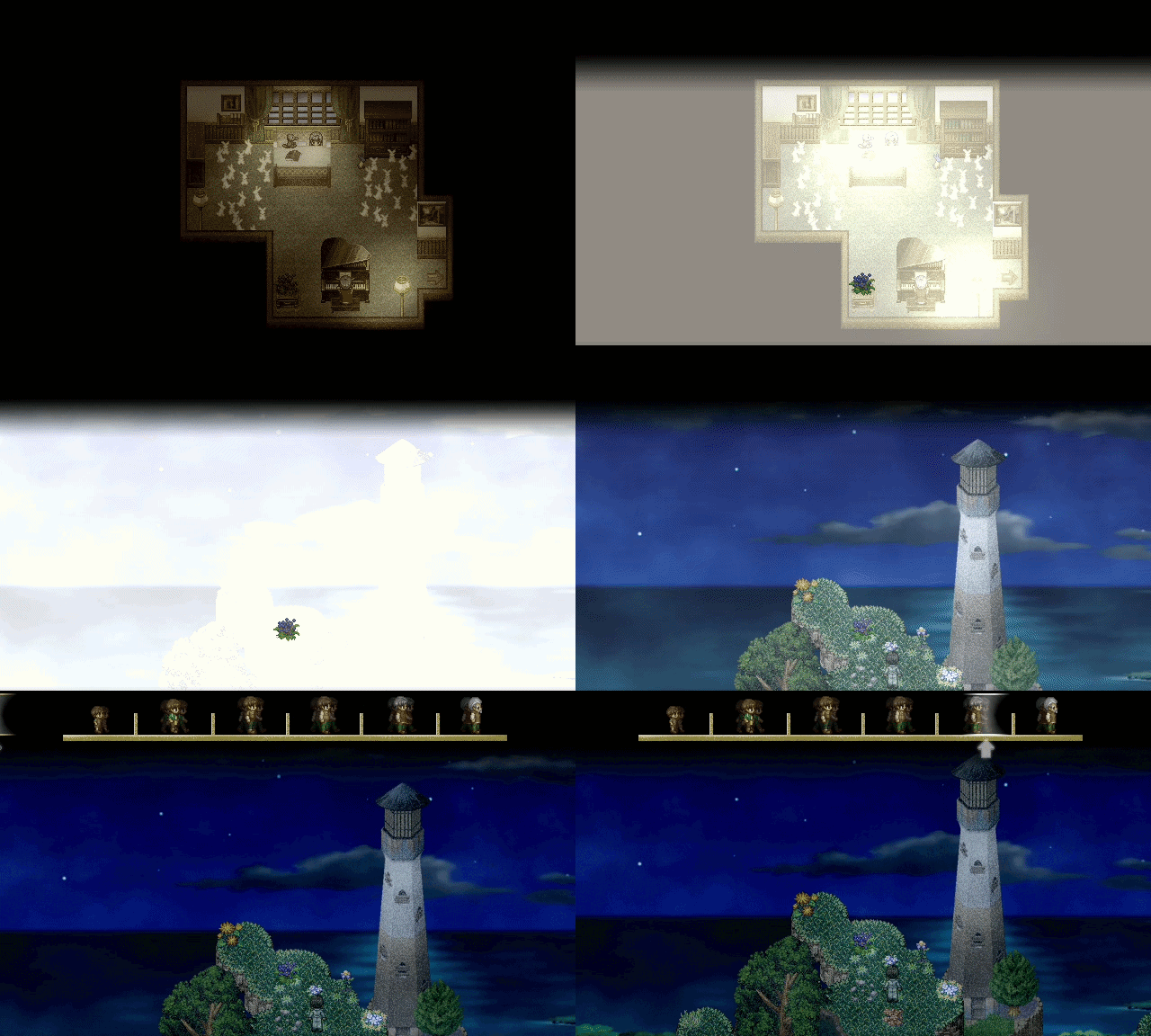
To be clear: a lot of the game takes place in an old man’s head, and no impact is had on the reality outside of it. Yet it’s fantastically compelling, with the stakes of the mission holding massive emotional weight, and the unfolding of the story of Johnny’s life — alongside that of his wife, River — will leave you feeling at least somewhat tender by the end of it all.
Genre-blending concept with excellently written characters
To the Moon doesn’t overcomplicate things and I like that. It has a story to tell and gives its all to telling it. While I will not spoil the story itself, its deeply earnest delivery erases just about any skepticism over its implausible or cheesy aspects, and its cast of characters is small but mighty.
I don’t mean to say it’s an overly simplistic story: it keeps you guessing until the end, and it’s a fun ride all the way. The concept pulls elements from a variety of genres to make something altogether unique. In some ways it’s a peaceful mystery game where you investigate and connect dots, and in other ways it’s a romantic novel.
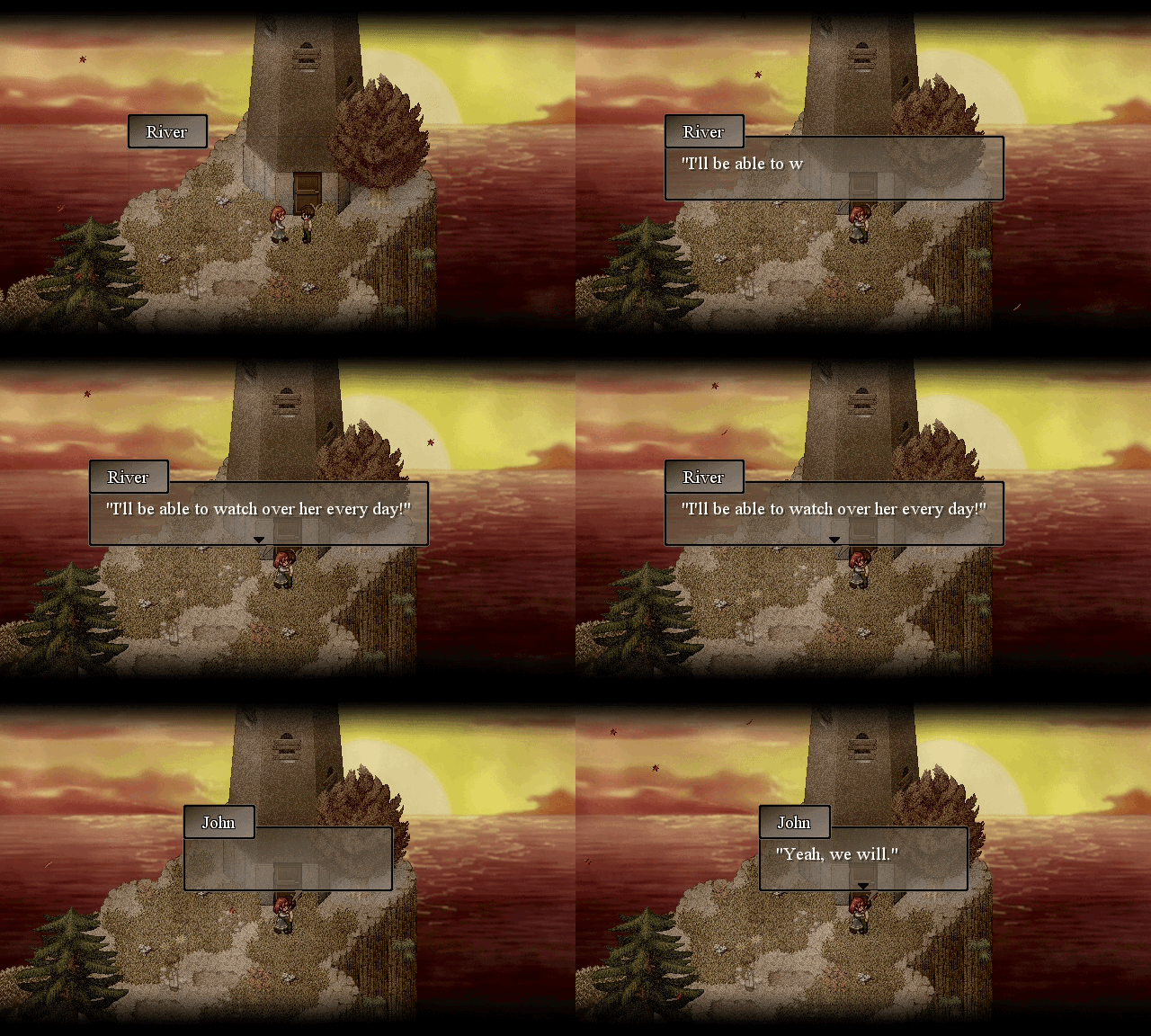
There’s even a touch of medical drama, given the concept of the game itself, and an unexpected splash of workplace comedy from the two bickering doctors. And, though you’re not actually time-travelling, it still feels like it, so add that to the list.
I find it a clever touch to have the focal characters, and the main romantic storyline, be entirely separate from our protagonist characters (and players) while still letting them share the spotlight. The story of Johnny and River is that much more compelling for being witnessed in reverse order by an external party, and the Sigmund Corp specialists are able to shine that much more in their roles as observers with a heavy responsibility.
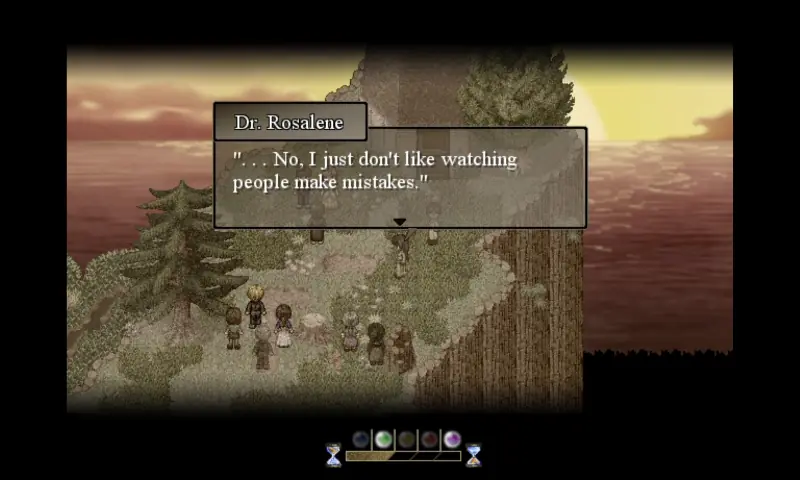
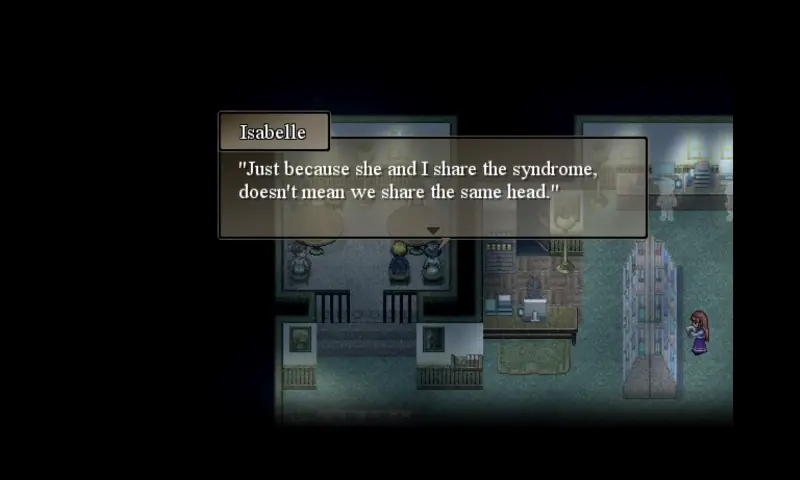
While I’m on the topic of good writing and good characters: here’s another reason I revisited the game right now. April is Autism Awareness Month, and To the Moon features some autism representation that — while not necessarily perfect — is astonishingly thoughtful for 2011, even while some of the humour in other aspects is dated. I’m not exactly an expert, but I can say it never reduces its autistic characters (more than one!) to symbols, archetypes or moral lessons, and makes sure to give them voices of their own, presenting them as fully three-dimensional characters in their own right without downplaying the disorder itself. Revisiting this aspect of the story as a (now better-informed) adult was a matter of trepidation for me, so I’m happy to find that it holds up quite well.
A dynamic duo
While I must stress that I love the focal characters of Johnny’s story, they pale in comparison to the double act that is Eva and Neil, the ones working overtime to give it a happy ending.
Not ones for silent protagonism, these two unexpectedly steal the show with constant witticisms, snark, dated pop culture references and a great deal of heart.
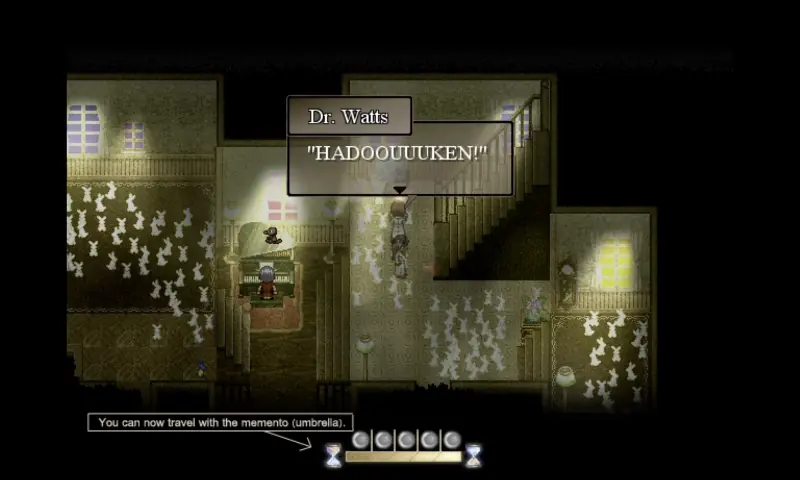
Even though Eva appears more stoic, practical and by-the-book than the deeply unserious Neil, they’re both kind of clowns in their own way, and I love them to bits.
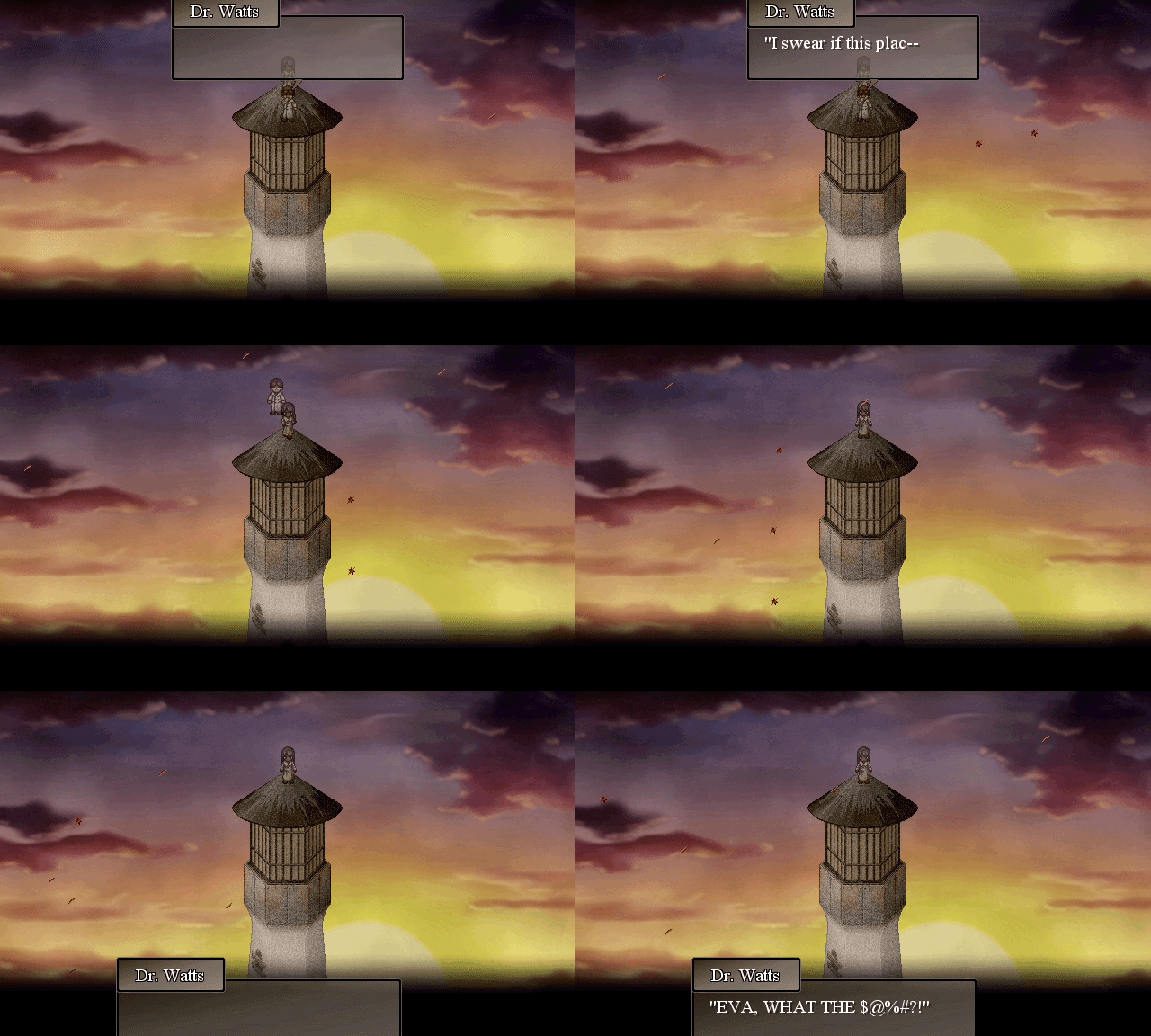
The duo works especially well as a duo because they’re clearly extremely familiar with each other already, despite getting on each other’s nerves like an old married couple. I love this because it means at no point do they feel like blank slates or player puppets: the script works hard to lend them their own lives, struggles and sharply contrasting personalities.
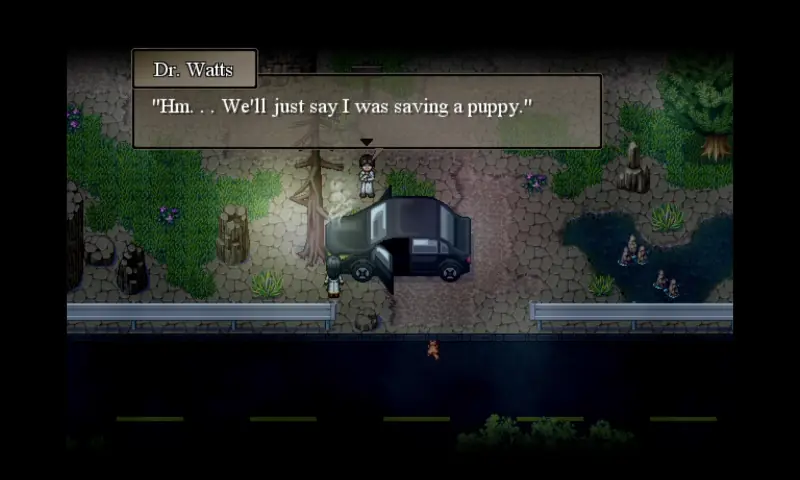
They also play off each other’s energy and make each other’s characters shine brighter, and — sue me — I love a power team.
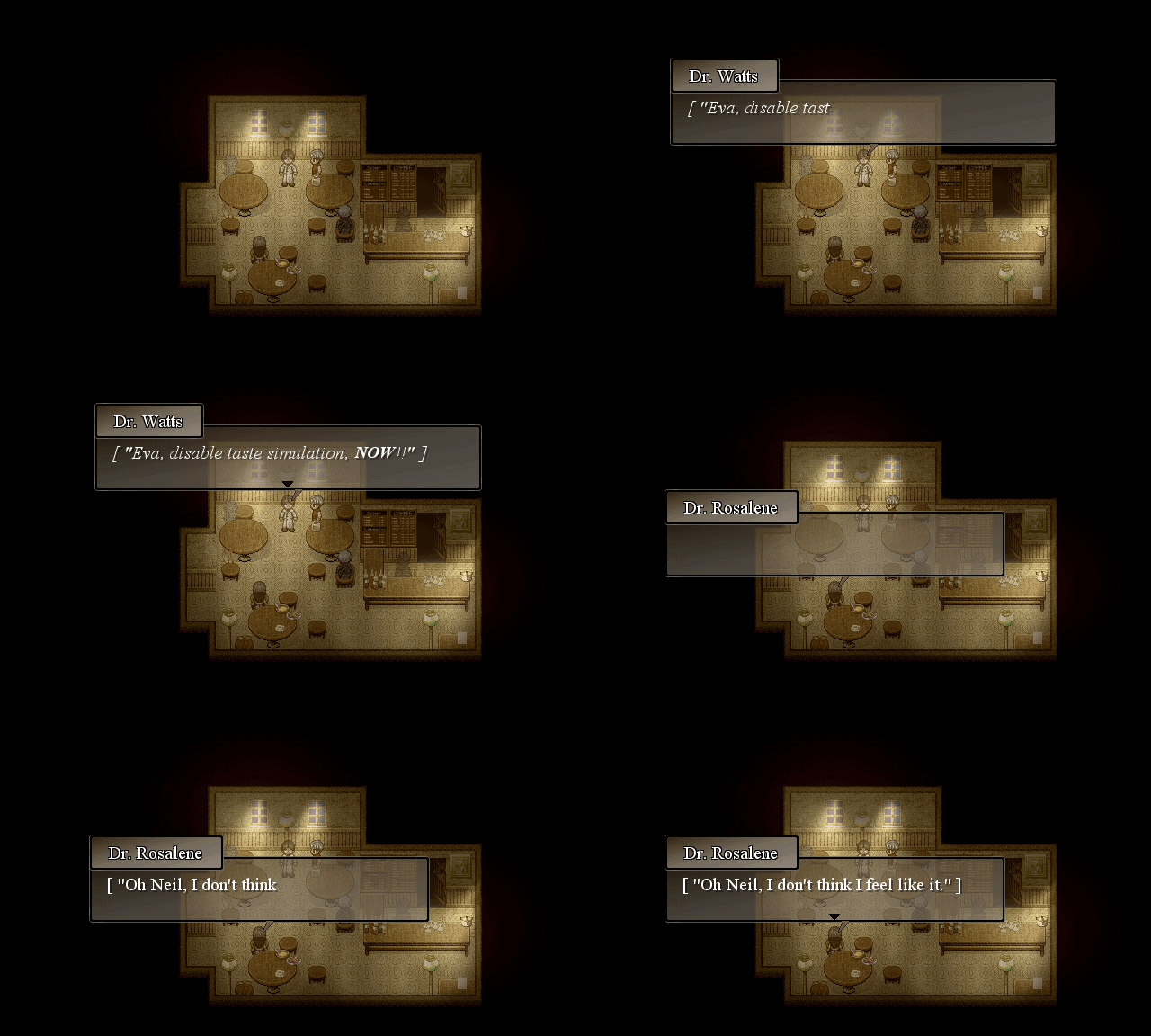
(It bears mention here that these two have gone on to star in some more games featuring Sigmund Corp, which I also highly recommend for more of their overarching storyline.)
Minimal on interesting gameplay
The so-called ‘gameplay loop’ of To the Moon is not worthy of much mention. It mainly consists of moving RPG-style through the world and interacting with objects in Johnny’s memory to progress.
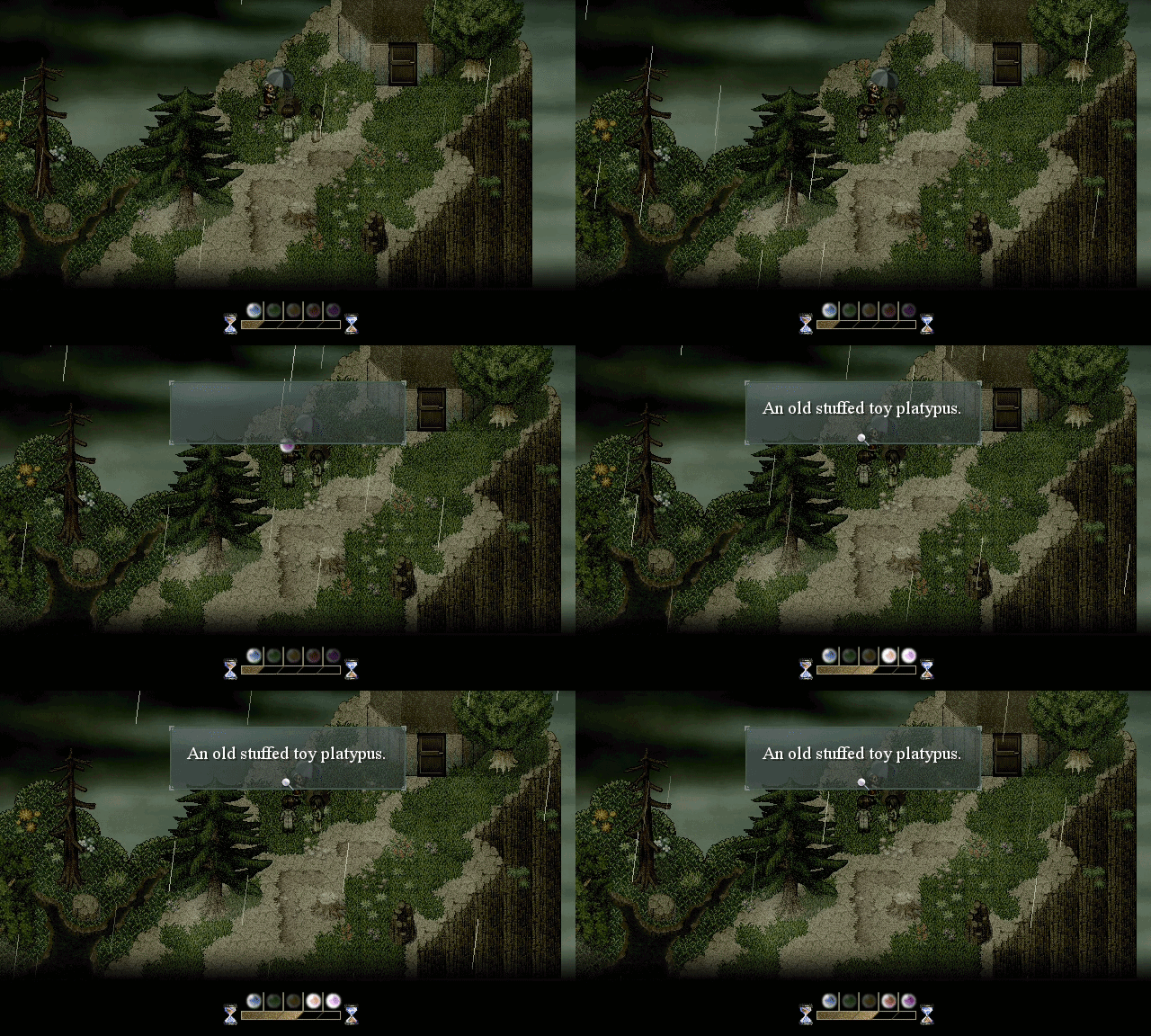
For a good while, the only concrete puzzle-solving happens when you find mementos – objects that are retained across Johnny’s life, forming a gateway to other memories — and are presented with an interface where you unscramble the tiles of a picture to progress to the next scene. While there are a couple of gameplay twists, they take a while to get to and are sometimes purely cosmetic.
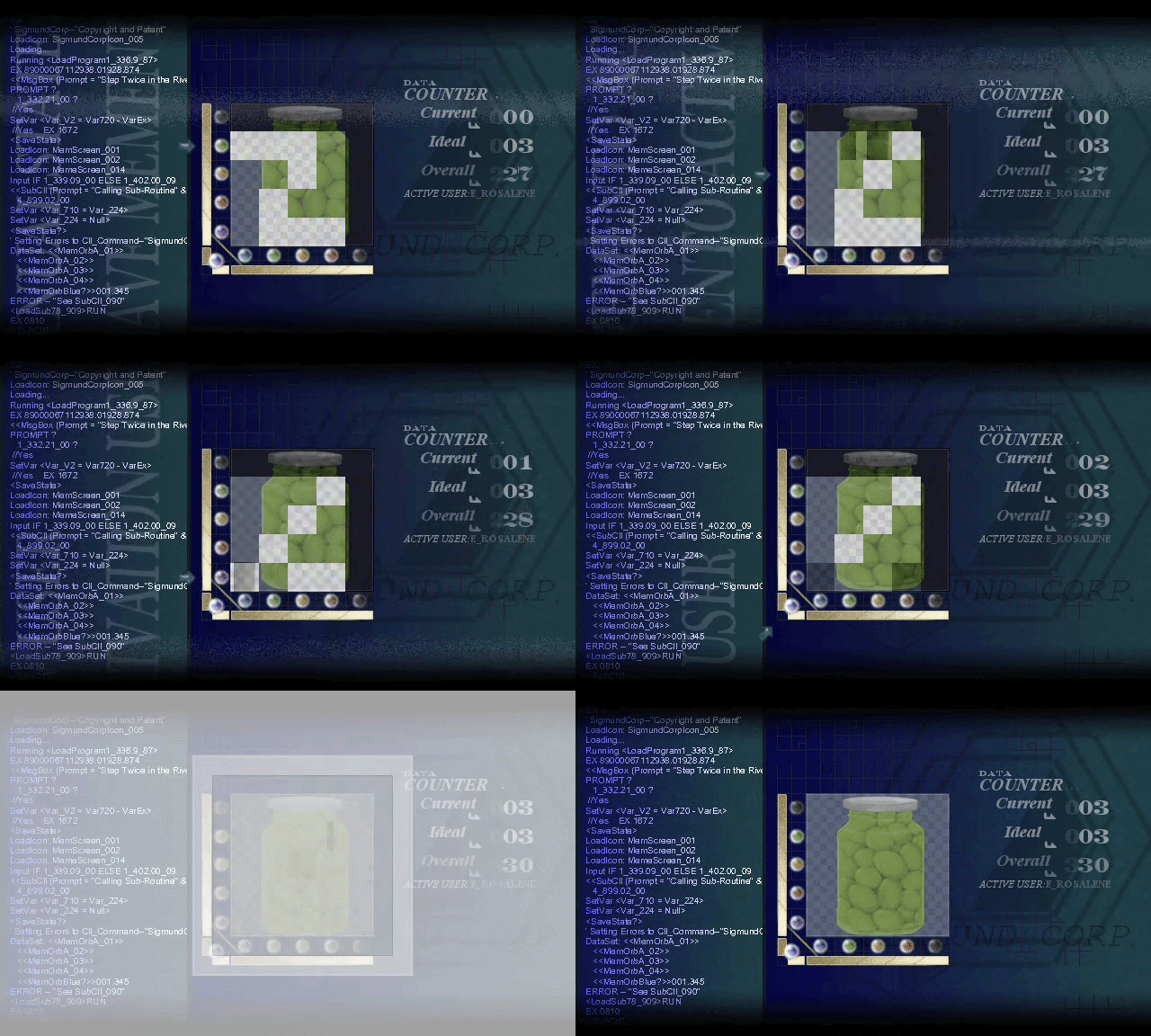
Admittedly, that’s as underwhelming as it sounds. But to be fair, this isn’t really a game designed around gameplay. It’s not precisely a visual novel, but it gets close: a medium for experiencing a story, deprioritising challenge entirely. So I won’t judge it too harshly, except to say that a smidgen more variety or difficulty in Act One’s puzzle-solving wouldn’t go amiss.
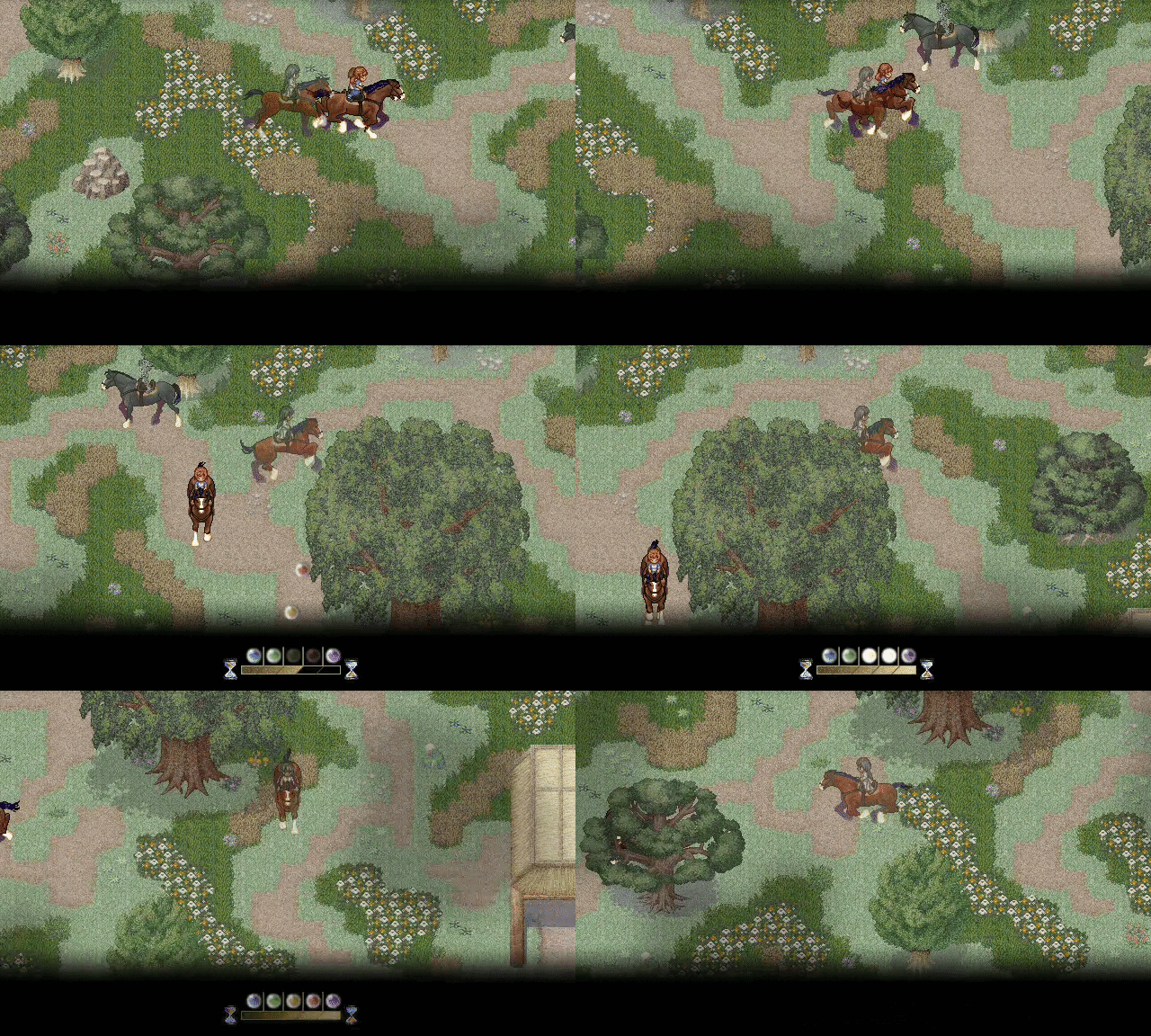
The only other issue I noted was one of stability, in which sprites will occasionally interact weirdly with their surroundings and nearly softlock you out of progressing. That doesn’t happen often, though.
Nostalgic delight
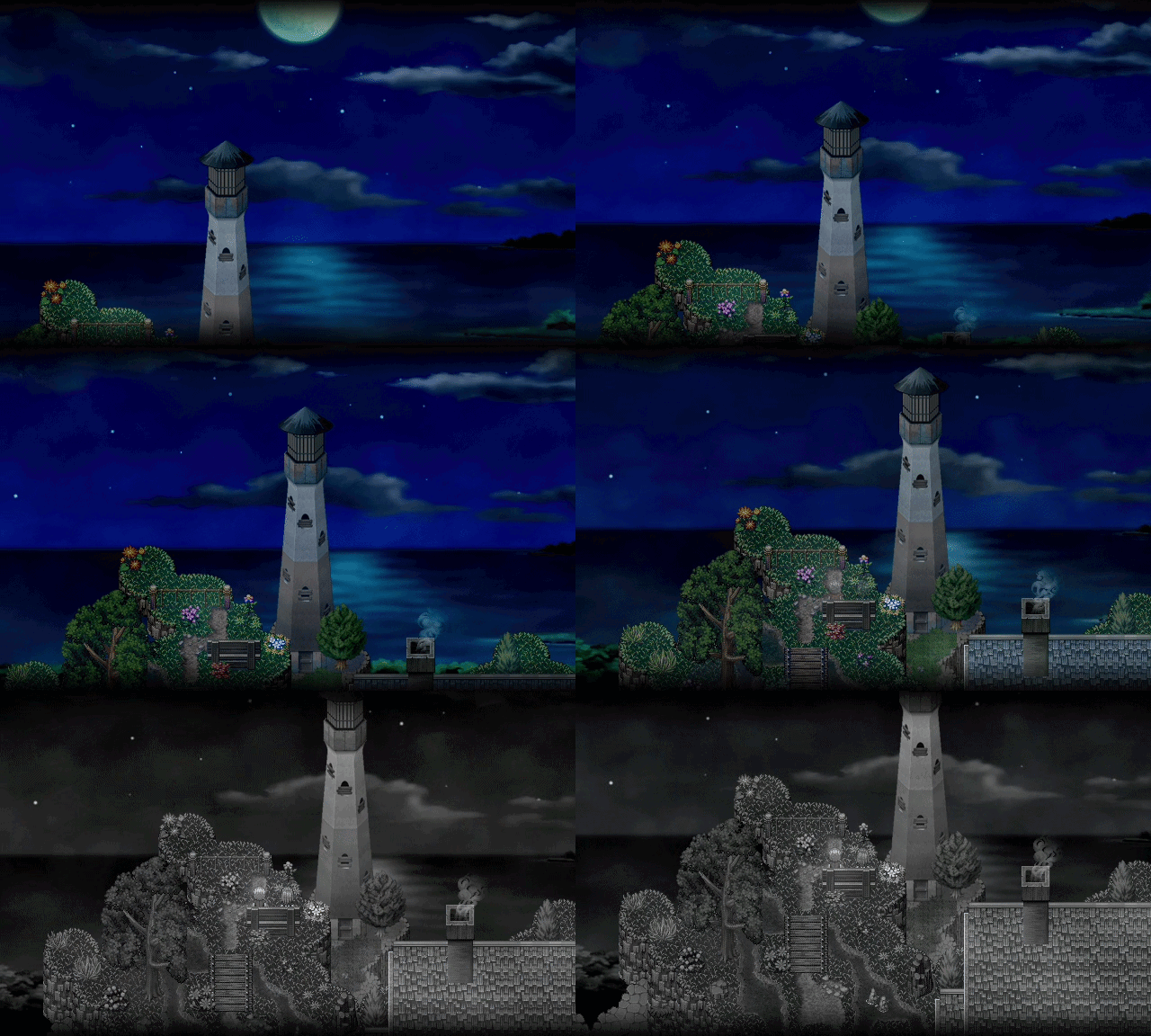
Since half the gameplay experience is interfacing with the scenery, it’s nice that the scenery is lush even in its retro, pixellated trappings.
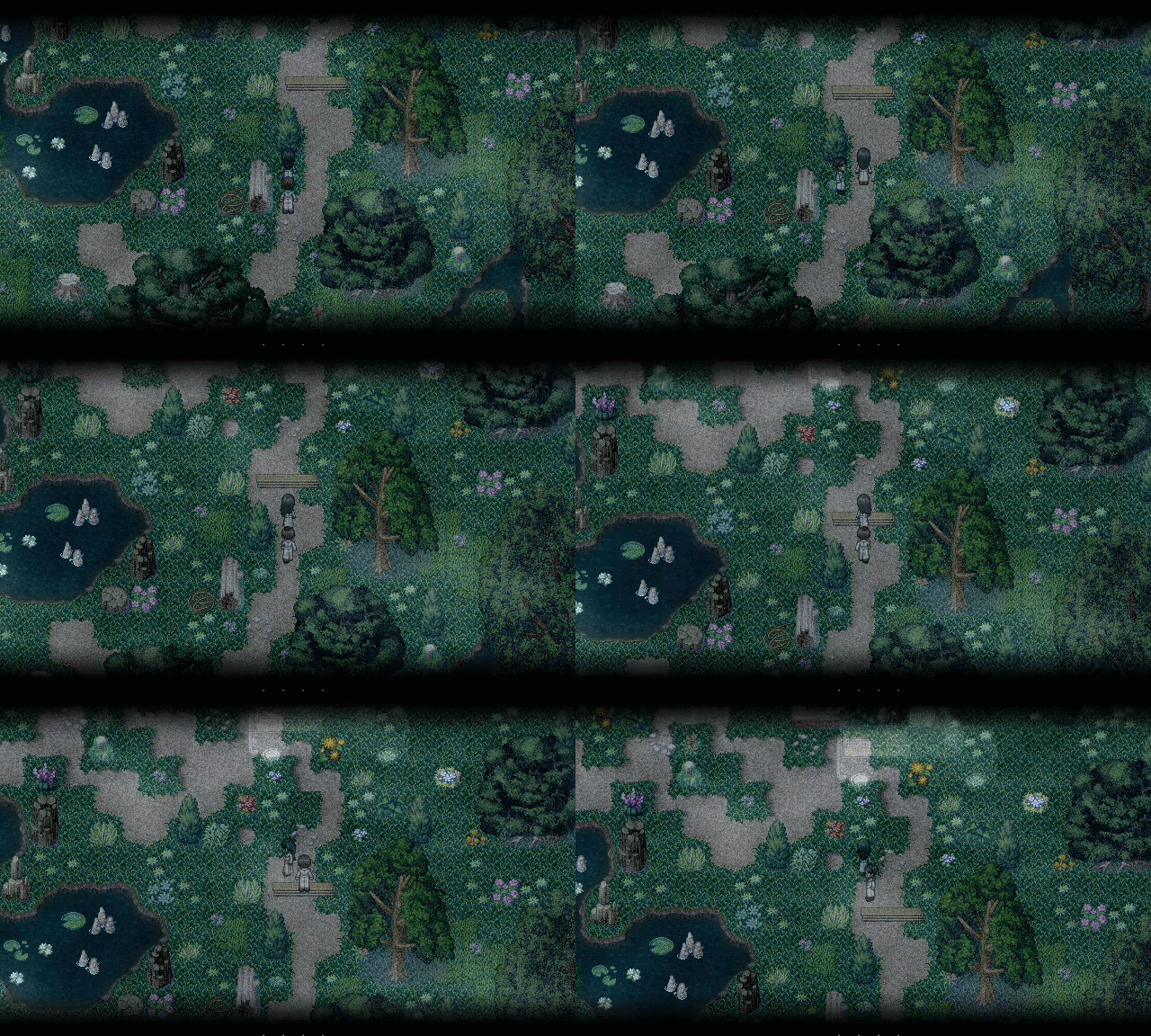
It uses an arsenal of textures and decorative elements to create a world that feels much larger than it is, with just enough pixel detail to portray a lot with a little. The latter especially jumps out in sprite animations.
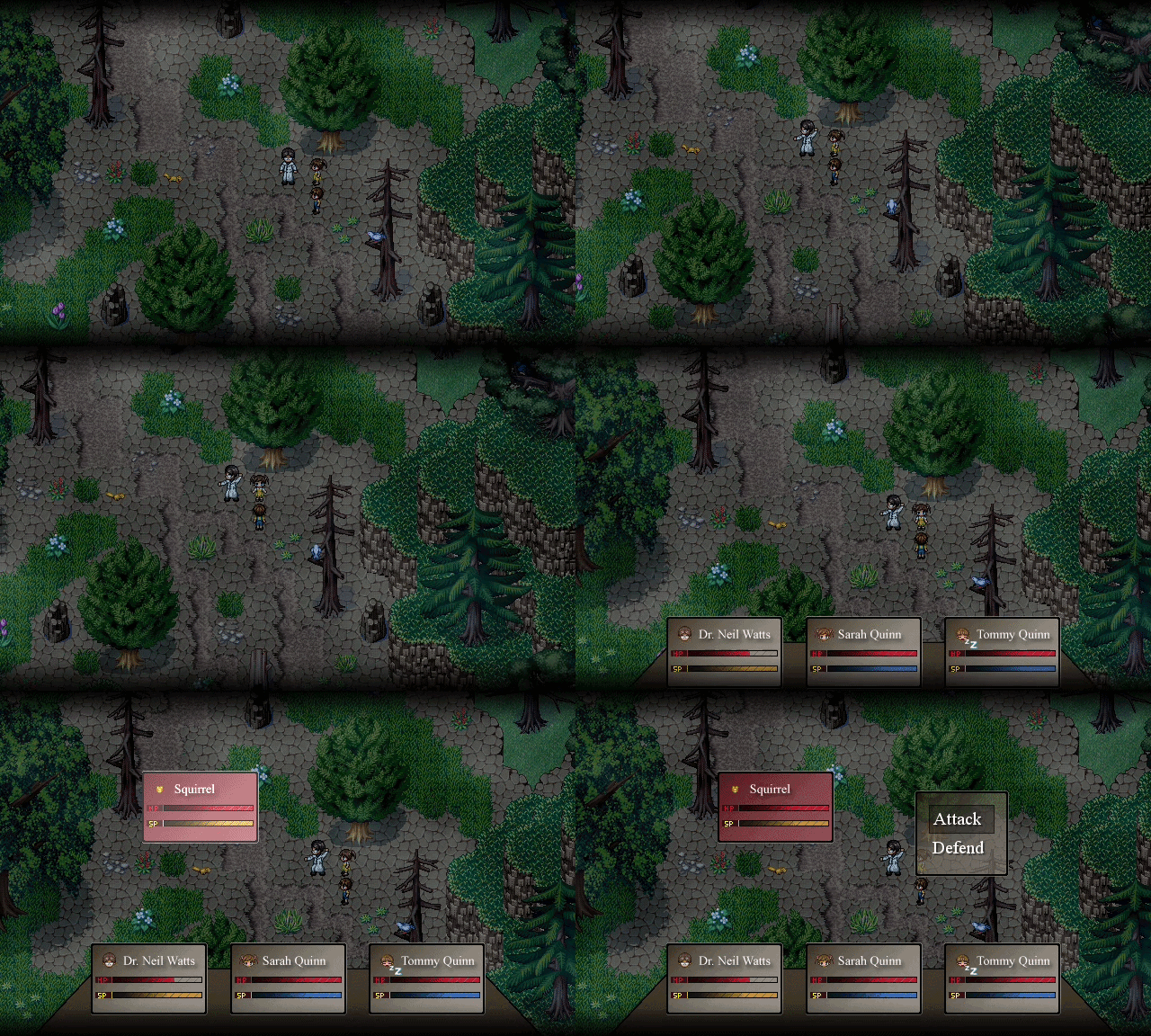
But it’s the soundtrack that ends up cementing this game in S-tier territory, starring a sweet and uncluttered piano theme that’s memorable over a decade later (I say on good authority) and tracks that pull from melancholy and foreboding, to fun and downright whimsical in a John Williams-y way. It’s very orchestral, and delightfully nostalgic: Kan Gao is a master of musical composition, and any indie game with Laura Shigihara’s name in the credits holds promise at this point.
Verdict: Does it still hold up?
Yes. And for less than the price of a fancy coffee on Steam, you should definitely give it a go if you like romance, shenanigans and a well-written story with an emotional whack. Maybe not if you prefer your games with more gaming, though.
This is a sweet, refreshing palate-cleanser of a game that I only wish had a little more oomph to the puzzle-solving. It stands as a reminder that the humblest of games can earn their laurels through excellence in storytelling. And while it doesn’t really need a remaster, I’d play the heck out of one.
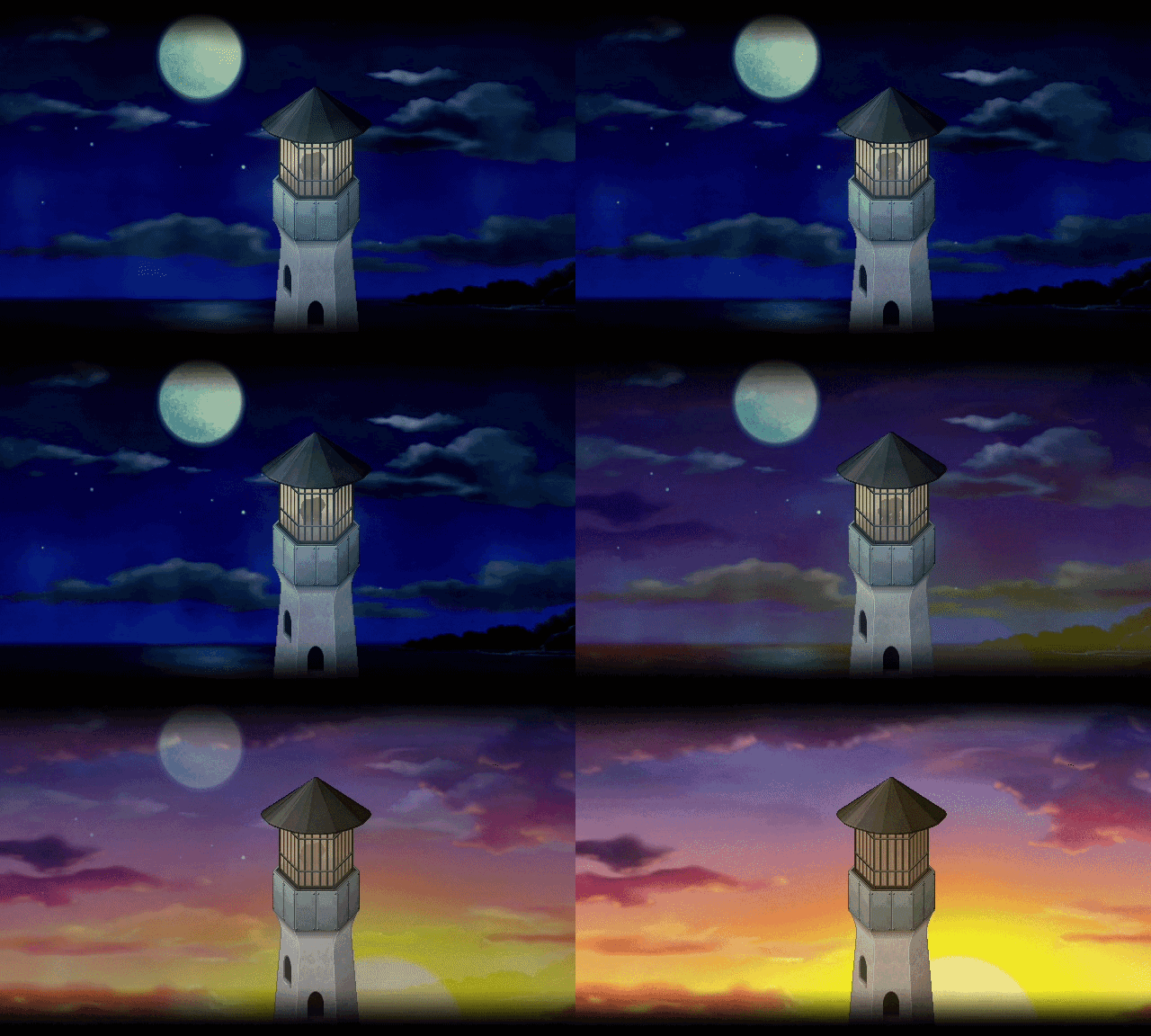
To the Moon is $5.49 on Steam, $9.99 on GOG and Humble Bundle, $4.39 for Android and $4.99 for iOS. The most expensive it gets is $15.11 in the Nintendo Store at full price.
.single.story {
background-image: url(‘https://i.dawn.com/large/2026/04/232226584ebd071.gif’);
background-repeat: repeat-y;
background-attachment: fixed;
background-size: 100vw 100vh;
}
body:not(.newskit) .story { color: #ffffff; }
.story a { color: #ff9d1f !important; }
article.box, .story .template__main { background: #000000; opacity: 0.95; }
article.box { padding: 5px; border: 0; }
.story__time { color: #aaa; }
.story__title, .comments {
background: #000000;
padding: 10px;
}