


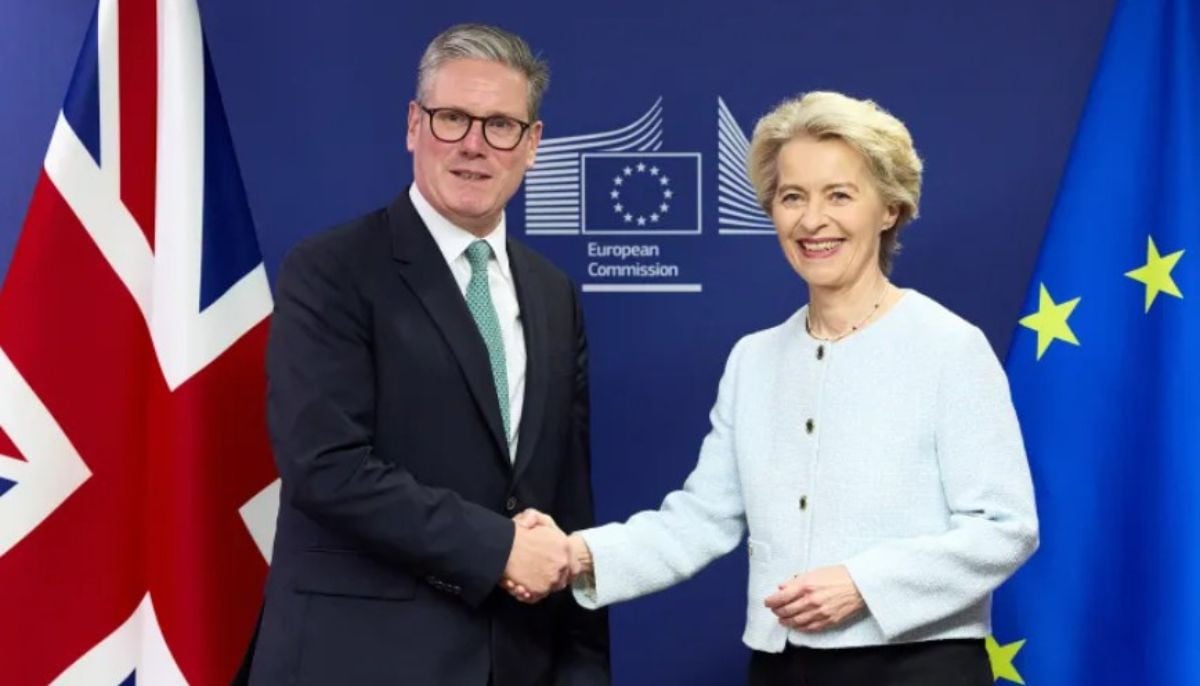

The Bristish ministers are planning to fundamentally reshape Britain’s relationship with the European Union, with new legislation that could result in the UK signing up to EU single market rules without a normal parliamentary vote.
In a major development in Prime Minister Keir Starmer’s push for closer ties with the continent after the Iran war, the British ministers are bracing to face down opposition to “dynamic alignment” with the EU from those who “scream treason” over the powers in a new EU-UK reset bill.
Starmer’s government has been looking to improve diplomatic and economic ties with the EU, Britain’s largest trading partner, since the “reset” deal was announced last May after the first UK-EU summit and both sides agreed to a “strategic partnership” aimed at closer ties.
Earlier this month, Starmer said the UK would seek a deeper partnership on trade and defense with the EU because of the instability wreaked by Trump’s war with Iran, adding that Brexit had done “deep damage” to the UK economy.

After weeks of Donald Trump’s war with Iran that have exposed the fragility of the UK’s damaged relationship with the US, ministers argue the move will add billions to the UK economy, help temper the cost of the conflict, and boost sluggish productivity.

The move is possible under so-called Henry VIII powers, named after the 1539 law that allowed the monarch to rule by decree, which allows ministers to approve laws without full scrutiny from Parliament using secondary legislation.
The bill will enable deals the government is negotiating on food and drink and emissions trading to come into force and allow it to follow future EU changes in these areas.
Ministers say the move will further promote trade without breaking the government’s red lines on rejoining the customs union, single market, or returning to freedom of movement, but critics argue it could amount to “integration with the EU by stealth” without the voting or veto rights conferred by membership of the bloc.
“Changes to UK regulations should be debated in parliament and thrashed out by politicians,” said Prof. Anand Menon, director of the think tank UK in a Changing Europe. “The reality of this is we are signing up to a deal with the European Union that commits us to follow their rules, whether we like it or not. The danger is you’re doing integration with the EU by stealth.”
A new bill, which will bring into force the food and drink trade deal with the EU, will contain powers enabling the government to dynamically align with Europe on areas where it has already made agreements.
Additionally, it will also allow the UK to quickly implement evolving single market rules if it determines it is in the national interest, without having to face full parliamentary scrutiny each time.

