



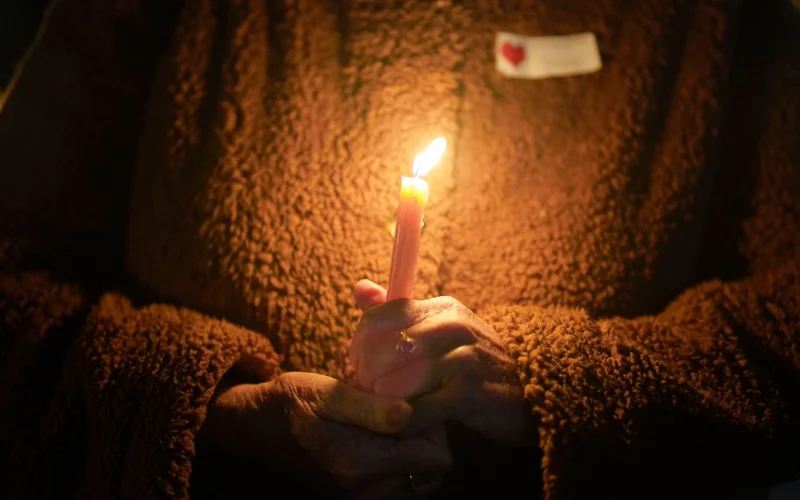

Grief is the price humans pay for love. It comes in the form of pain, heartache, anger, disorientation, and numbness. Usually, these intense emotions gradually shift over time, allowing people to heal.
But not everyone is able to cope with grief. For some, the loss of a loved one becomes increasingly intense, leaving them trapped in a long-lasting yearning to see or be with the person they lost.
When grief persists beyond a certain threshold, it can evolve into Prolonged Grief Disorder (PGD). This condition was officially recognized in 2022 in the Diagnostic and Statistical Manual of Mental Disorders, Fifth Edition (DSM-5).
PGD is a form of grief that does not diminish over time and significantly interferes with a person’s ability to adjust to life after loss. Individuals struggling with PGD find it extremely difficult to accept the loss and move forward.

Holly Prigerson, director of the Cornell Center for Research on End-of-Life Care at Weill Cornell Medicine, explains, “PGD is a chronic, intense, distressing reaction to loss, distinct from bereavement-related depression and anxiety.” Those affected often experience emotional detachment, numbness, and a distorted sense of reality.

Recent studies are reshaping how we understand PGD. A 2026 review in Neurosciences identifies it as a “biological glitch” in the brain’s attachment and reward networks. In people with PGD, these neural systems remain stuck, continuously signaling that the deceased loved one is still present.
This creates a persistent conflict between reality and desire, preventing the brain from updating its emotional map and processing the loss.
Mary-Frances O’Connor, psychology professor at the University of Arizona and author of The Grieving Brain, notes, “People with severe grief still show reward expectation for their loved one, even when seeing a simple photo.”
Research from 2020, co-authored by Prigerson, found abnormal activity patterns in the amygdala and orbitofrontal cortex of individuals with PGD, hindering their emotional processing. However, scientists acknowledge that understanding PGD is still in its early stages, as Richard Bryant, psychology professor at the University of New South Wales, points out.
Approximately 4% of people develop PGD after a loss, according to Prigerson. The risk is higher following sudden or violent losses. Prolonged grief can contribute to severe health issues, including depression, PTSD, anxiety, fluctuating blood pressure, and increased mortality risk.
PGD does not typically respond to antidepressants or standard psychological therapies. The most effective approach is Prolonged Grief Therapy (PGT), a structured 16-session program.
The therapy guides individuals through stages of healing, starting with accepting grief, reimagining a hopeful future, connecting with memories of the deceased, and coming to terms with the reality of the loss. Research shows that 70% of participants experience significant improvement through PGT.
Grief may be universal, but for those suffering from PGD, understanding its neuroscience and embracing targeted therapy can transform prolonged suffering into a path toward healing.

