



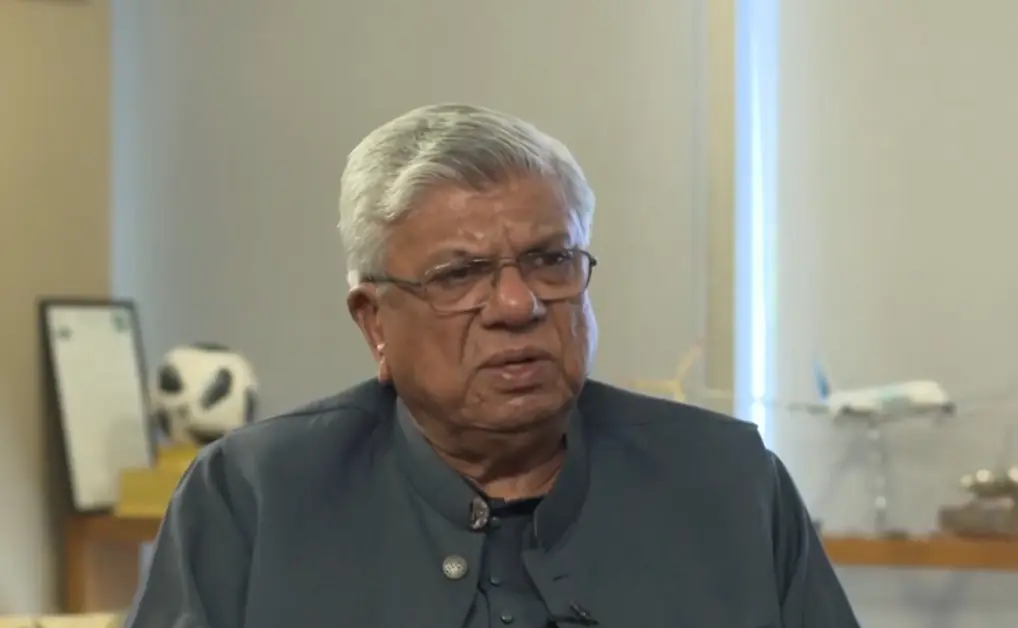

Chairman Pakistan International Airlines (PIA) Consortium Arif Habib on Sunday sounded the alarm over the sustainability of PIA operations in the wake of a recent 150 per cent hike in jet fuel rates.
“PIA could be forced to shut down” if jet fuel prices continue to remain high, Habib warned in an interview clip shared by Bol News.
Jet fuel (JP-1) rates have been increased without a formal announcement in recent weeks amid global supply chain uncertainty spurred by the US-Iran war.

Official rates seen by Dawn suggest JP-1 prices were raised by Rs84 per litre, or 21.65pc, to Rs472 from Rs388 per litre with effect from March 21. Since March 1, the price has surged by nearly 150pc from Rs190 per litre.
Habib said the national flag carrier had “somehow” made it through the month but moving forward the ‘unsustainable’ hike would “make it difficult for PIA to operate”
He believed that if the government did not take back its decision, PIA would “not be able to continue its operations”.
“It will be forced to close,” he added.
According to aviation experts, fuel accounts for 30-40pc of airline operating expenses. The significant increase in fuel prices due to the war has forced airlines to raise fares by 20-30pc.
Domestic ticket prices have increased by Rs10,000-15,000, while international fares have spiked by Rs30,000-40,000. Further increases are likely if global oil prices continue to rise.
Habib connected the hike in jet fuel prices to the government’s subsidisation of the financial burden on ordinary citizens, saying that the government had decided to raise the price of high-octane fuel and aviation fuel to raise money for a cross-subsidy.
“In Pakistan, the government has raised prices but not as per the rise in the global markets. It seems like the government is trying to bear some burden from the savings it has made from the austerity measures and some through the cross-subsidy,” he explained.
Last week, Finance Minister Muhammad Aurangzeb said that “targeted relief” would allow benefits of fuel subsidies to be passed onto the deserving. He noted that the government had taken on a burden of Rs69 billion “using our own fiscal resources”.
Habib was of the opinion that the government’s measures were “not sustainable”, adding that the government “has to take some steps to transfer some parts of this burden”.
“On increasing the price of aviation fuel, I consider that it is a misunderstanding by the government that the common man doesn’t use aviation,” Habib said.
“I don’t think that increasing the prices that much will allow aviation to remain affordable for the people. And at the international level, these airlines would not remain competitive either, because for international airlines, jet fuel is not as expensive as it is in Pakistan.”


