


Sharks found with cocaine and pharmaceuticals in Caribbean waters, study finds

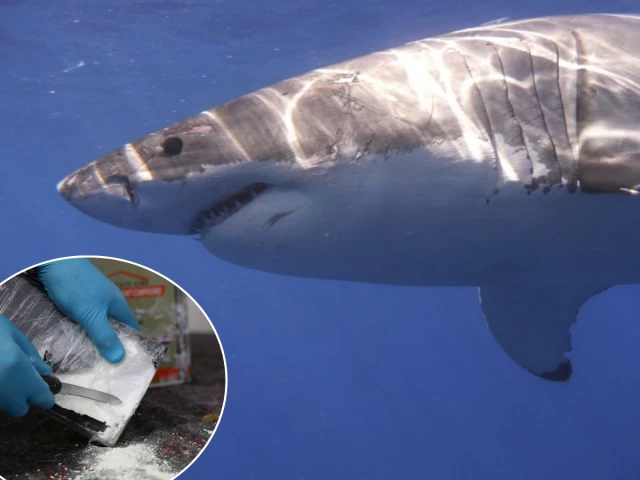

Scientists have raised concerns about the impact of pollution linked to tourism and urban development
Scientists have identified traces of cocaine and other substances in sharks in Caribbean waters, raising concerns about the impact of pollution linked to tourism and urban development.
The findings, published in the journal Environmental Pollution, revealed that sharks sampled near Eleuthera in Bahamas tested positive for a range of contaminants, including caffeine and common painkillers. Researchers analysed blood samples from 85 sharks across three species to assess exposure to both legal and illegal substances.
Of those tested, 28 sharks showed evidence of contamination. Caffeine was the most frequently detected substance, followed by acetaminophen and diclofenac, active ingredients found in widely used medications such as Tylenol and Voltaren. Two sharks also tested positive for cocaine, marking the first recorded instance of the drug being identified in sharks in the Bahamas.

Researchers suggested that the presence of cocaine may be linked to sharks biting into discarded drug packets in the water. “They bite things to investigate and end up exposed,” said study author Natascha Wosnick of the Federal University of Paraná in Brazil.

The study highlighted that pharmaceuticals and illicit drugs are increasingly recognised as contaminants in marine environments, particularly in regions experiencing rapid tourism growth. Wastewater discharge from boats and coastal infrastructure is considered a likely source of these substances entering the ecosystem.
Although the full behavioural impact on sharks remains unclear, scientists observed changes in metabolic markers among contaminated animals. This suggests the pollutants may be causing physiological stress and increased energy use as the sharks attempt to process the chemicals.
Marine experts noted that even remote locations are not immune to such contamination. The findings underline the broader environmental consequences of human activity and the connection between coastal development, tourism and marine ecosystems.
Researchers have called for further investigation into how these substances may affect marine life over time.

